Baby registries are all about making the first few months easier for new parents. When you add the right items to your wish list, it can be easier to handle sleep, feeding, diaper changes, outings and recovery.
A baby registry also gives your community a practical way to show their love and support, and welcome the new addition to their lives.
But putting together a baby registry can feel overwhelming, especially for first-time parents who don’t know where to start. Here’s a baby registry essentials guide you can tap for ideas to ensure you have all of the necessities before the new baby arrives.
Sleep essentials
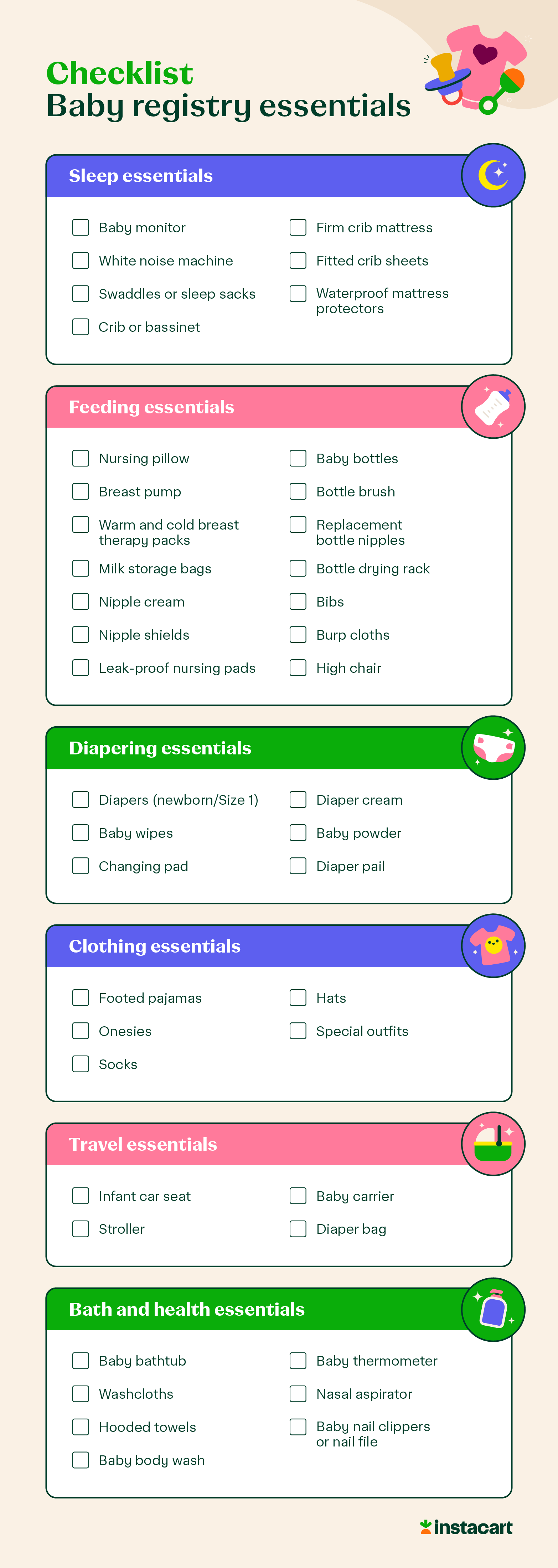
Newborns spend much of their day asleep, so creating a comfortable, functional sleep setup is a top priority. As you build your registry, focus on products that contribute to safe sleep.
You'll also want a few extras, like backup sheets and mattress protectors, so you're not scrambling when middle-of-the-night messes happen.
Crib or bassinet
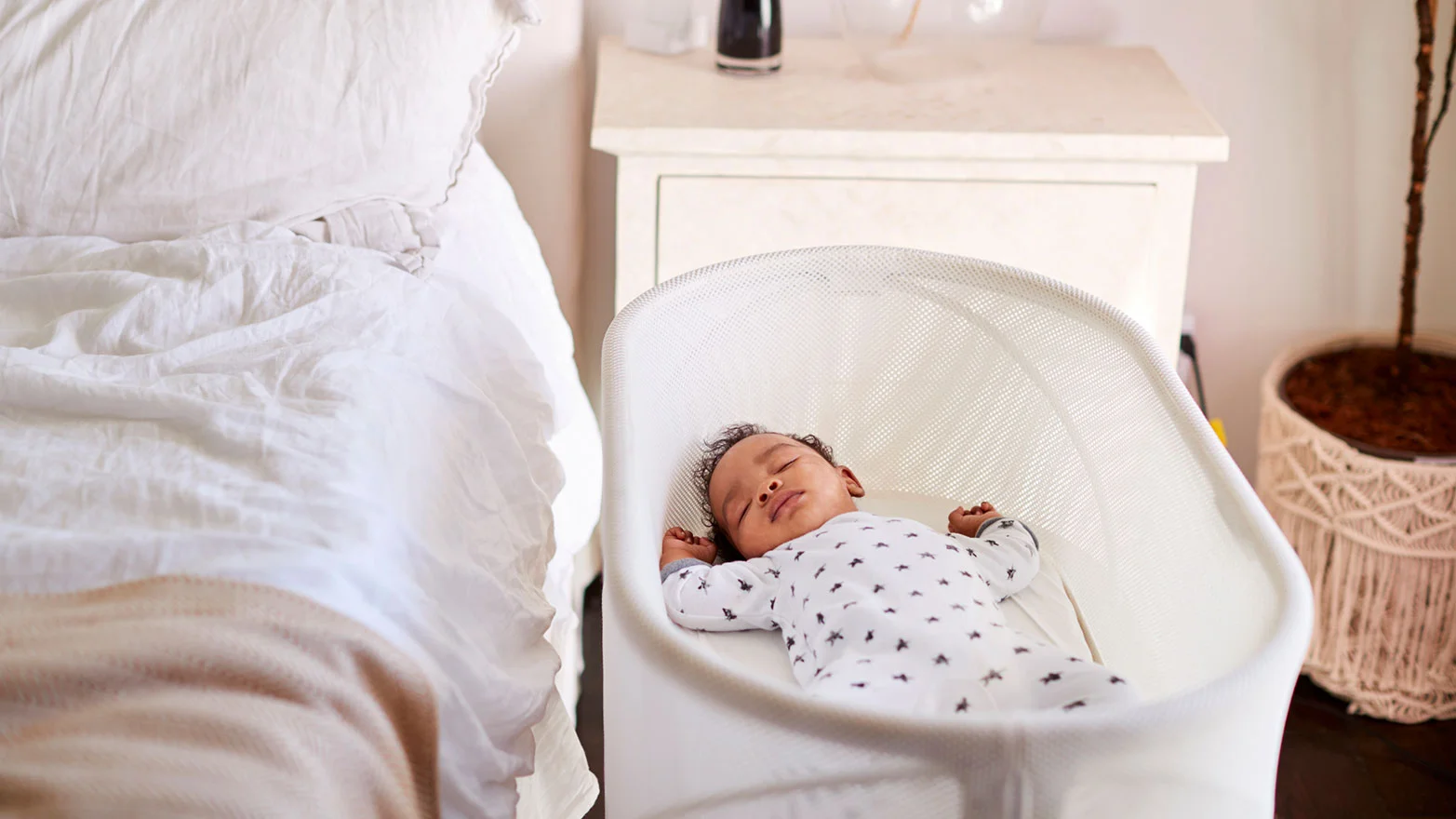
Many parents like having a bassinet for the first few months because it's compact and easy to keep beside the bed. Others prefer going straight to a crib to avoid purchasing another sleep space later.
If you're registering for a crib, consider one with adjustable mattress heights so it can grow with your baby. If you choose a bassinet, think about features that fit your lifestyle, such as lockable wheels for moving between rooms or storage underneath for diapers and swaddles.
Regardless, be sure to check CPSC Safe Sleep guidelines before setting your baby registry to ensure you’ve taken safety risks like drop-sides, wide slats and potentially harmful chemicals into account.
Firm mattress
A crib mattress may not be the most exciting registry item, but it's one you'll use every day. The American Academy of Pediatrics (AAP) recommends a firm and flat mattress that fits the crib snugly; there shouldn’t be any gaps around the edges. Many parents also appreciate lightweight options that are easier to lift during sheet changes.
Some mattresses have a dual-sided design with a firmer infant side and a softer toddler side, which can extend their usefulness as your child grows.
Fitted sheets
You'll probably need more fitted crib sheets than you expect. Between spit-up, diaper leaks, drool and other inevitable messes, it's helpful to have clean sets when the rest are in the wash.
Choose sheets made from soft, breathable fabrics that fit your mattress securely. Registering for a few sheets can also make it easier to rotate them without every load of laundry feeling urgent.
Waterproof mattress protectors
A waterproof mattress protector is one of those registry items you may not think about until you need it. It helps protect the mattress from messes that seep through the sheets, making cleanup easier and extending the life of the mattress.
Grab a couple — layering mattress protectors and sheets lets you quickly remove soiled linens and put baby back to bed.
Swaddles or sleep sacks
Some newborns love swaddles. Others put all their might into wriggling free. Since you can’t know your baby’s preference, consider registering for a few styles of sleep wraps.
Also request a variety of sizes to keep your baby snug as a bug in a rug as they move beyond the newborn stage.
White noise machine
A white noise machine can help create a consistent sleep environment by masking everyday household sounds like conversations, pets or doorbells. Many models include adjustable volume settings, timers and a variety of soothing sounds beyond traditional white noise.
If you plan to travel or spend nights away from home, you may prefer a compact rechargeable model.
Baby monitor
A baby monitor lets you keep an eye or ear on your little one while they're sleeping without needing to peek into the nursery every few minutes. Traditional audio monitors remain a dependable option for many families, while video monitors offer the added benefit of letting you watch your baby in their nursery
Some newer monitors also include sleep tracking or health-monitoring features.
Feeding essentials
Feeding looks a little different for every family, so your registry should leave room for flexibility. Whether you plan to breastfeed, bottle-feed or do both, a few well-chosen essentials can make those first months much more manageable. Focus on products that support your feeding routine without overloading your registry with items you may not end up using.
Breastfeeding supplies
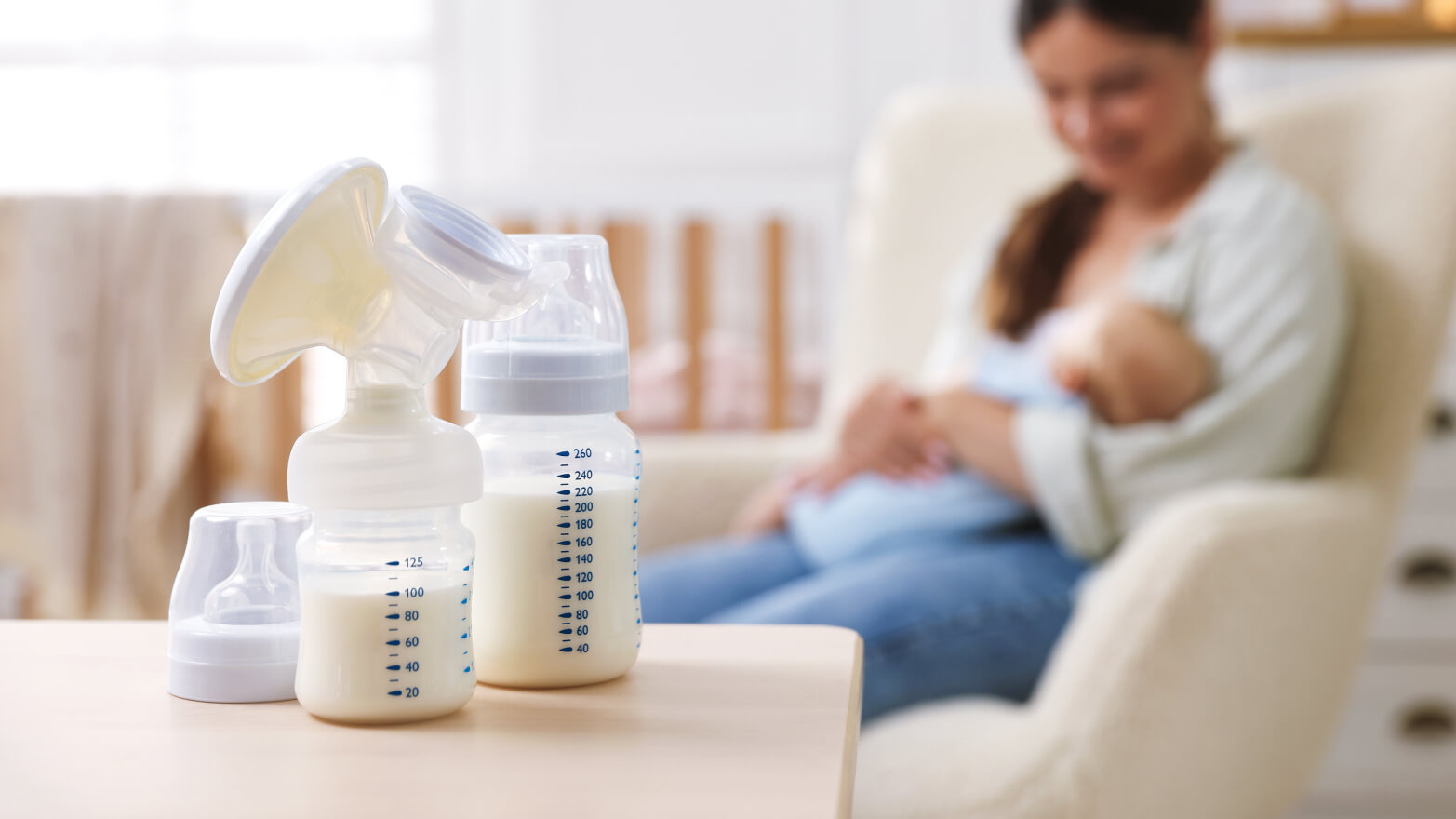
If you plan on breastfeeding, a few supplies can help make mealtime more comfortable for you and your baby.
For starters, a nursing pillow helps position your baby while taking some strain off your back, shoulders and arms during longer feeding sessions. Warm and cold breast therapy packs are great for soothing the tenderness or discomfort that can come with milk coming in, pumping or adjusting to a new feeding routine.
These remain useful even if you end up bottle-feeding later on.
Round out your registry with supplies like:
Bottles and bottle accessories
Even if you're planning to exclusively breastfeed, it's worth registering for a few bottles and feeding accessories. Having them on hand gives you options if your plans change or someone else wants to help with feedings.
Many bottle brands offer different nipple flow rates and shapes, and it sometimes takes a little trial and error to find one your baby likes.
Rather than registering for a large set, start with a few bottles from one or two brands. Don't forget the supporting essentials, either. A bottle brush, drying rack and replacement nipples help keep bottles clean and ready to use as your baby grows.
Bibs and burp cloths
You'll probably go through more bibs and burp cloths than you expect. Between spit-up, dribbles and feeding messes, it's helpful to keep them within reach anywhere you feed your baby.
Stick with absorbent, machine-washable fabrics that hold up well after frequent laundering. Burp cloths with extra shoulder coverage can help protect your clothes, while bibs with adjustable closures can fit your baby through multiple stages. Registering for a generous supply means you'll spend less time doing emergency laundry between feedings.
High chair
A high chair won't come into play until your baby is around 4 to 6 months old and ready for solid foods, but it's still worth adding to your registry. Since it's one of the more expensive baby gear purchases, grandparents or groups of family members often enjoy pitching in on this type of gift.
Pick a high chair that's easy to clean, has an adjustable footrest and tray and can adapt as your child grows. If space is limited, a folding model or one that attaches securely to a dining chair may be a better fit.
Diapering essentials
Diaper changes are frequent when caring for a newborn, so it's worth stocking up on the basics before your baby arrives. To start, you’ll want plenty of diapers, baby wipes and changing supplies in a well-organized changing station.
Diapers
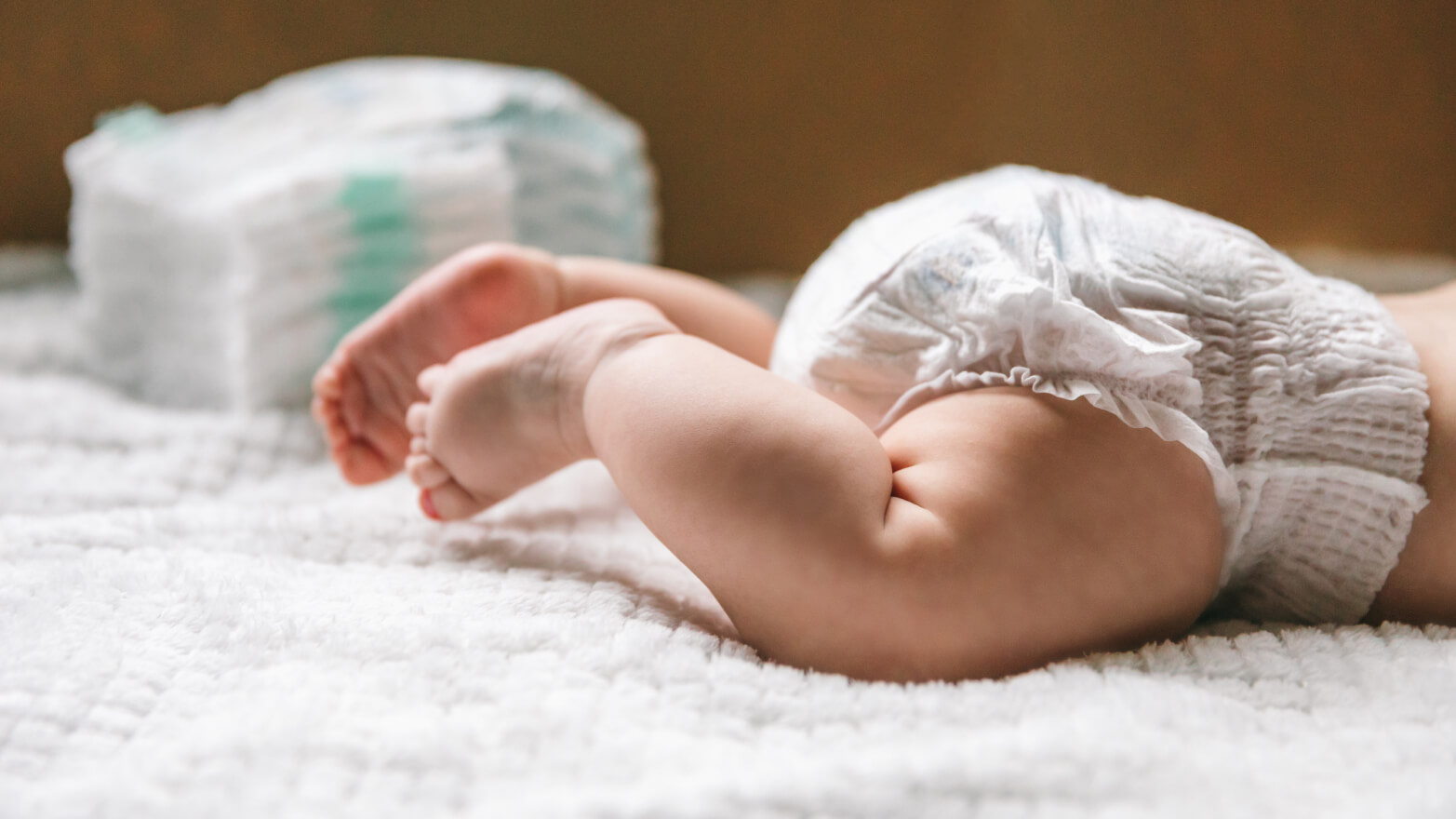
Don’t underestimate how many diapers you’ll need to keep your newborn dry. A 2026 study by Pampers reports that newborns typically go through up to 12 diapers a day, and up to 8 a day after the three-month mark.
Babies grow quickly, so a good starting point is to ask for newborn and Size 1 diapers, which can help you get through those early weeks without overstocking a size your baby may outgrow quickly.
If you prefer specific brands or materials, make that clear to your friends and family. Or, if you don’t know what you like yet, request a variety.
Wipes
Baby wipes are another everyday essential that’s easy to overlook when building a registry. Go with wipes that are soft, durable and gentle enough for frequent diaper changes. Some parents prefer fragrance-free options, especially during the newborn stage when a baby’s skin may be more sensitive.
Consider registering for wipes in bulk or larger packs since you’ll likely also use them to clean spit-up, messy hands and sticky surfaces. A wipe dispenser or warmer is an optional purchase that some families appreciate.
Changing pad
A changing pad gives you a dedicated, comfortable spot for diaper changes. Ideally, you’ll want to go with a pad that has a waterproof, wipeable surface so you can clean up without needing to remove and wash a cover after every change.
Some parents prefer contoured changing pads with raised sides for added support, while others like portable mats that they can move between rooms or pack for trips. If you’re short on space, a compact changing pad that fits on top of a dresser can help you create a changing area without adding another piece of furniture.
Diaper cream and baby powder
Diaper cream and baby powder can help keep your baby comfortable amid frequent diaper changes. Diaper creams create a protective barrier between your baby’s skin and moisture, while powder can help reduce friction and keep skin feeling dry.
When choosing a cream, many parents reach for petroleum-based ointments to keep moisture away from the skin. If irritation occurs, a zinc oxide cream offers a thicker barrier.
After applying cream, you may want to finish up with baby powder to limit diaper friction. The AAP recommends using a plant-based, talc-free powder to reduce the risk of lung disease and other medical conditions associated with inhalation.
Diaper pail
A diaper pail can help keep your diaper changing station smelling fresh. Look for a model that’s easy to open one-handed, has odor-control features and uses bags that are easy to replace.
Clothing essentials
Baby clothes are usually some of the most fun items to add to a registry, but it's easy to get carried away. It’s fine and expected to throw a few special outfits on your want list. But you’ll really want to focus on comfortable, practical pieces that can withstand frequent washes.
Between blowouts, drool, spit-up, food and fluctuating temperatures, you may find your newborn needing up to six outfit changes a day.
Footed pajamas
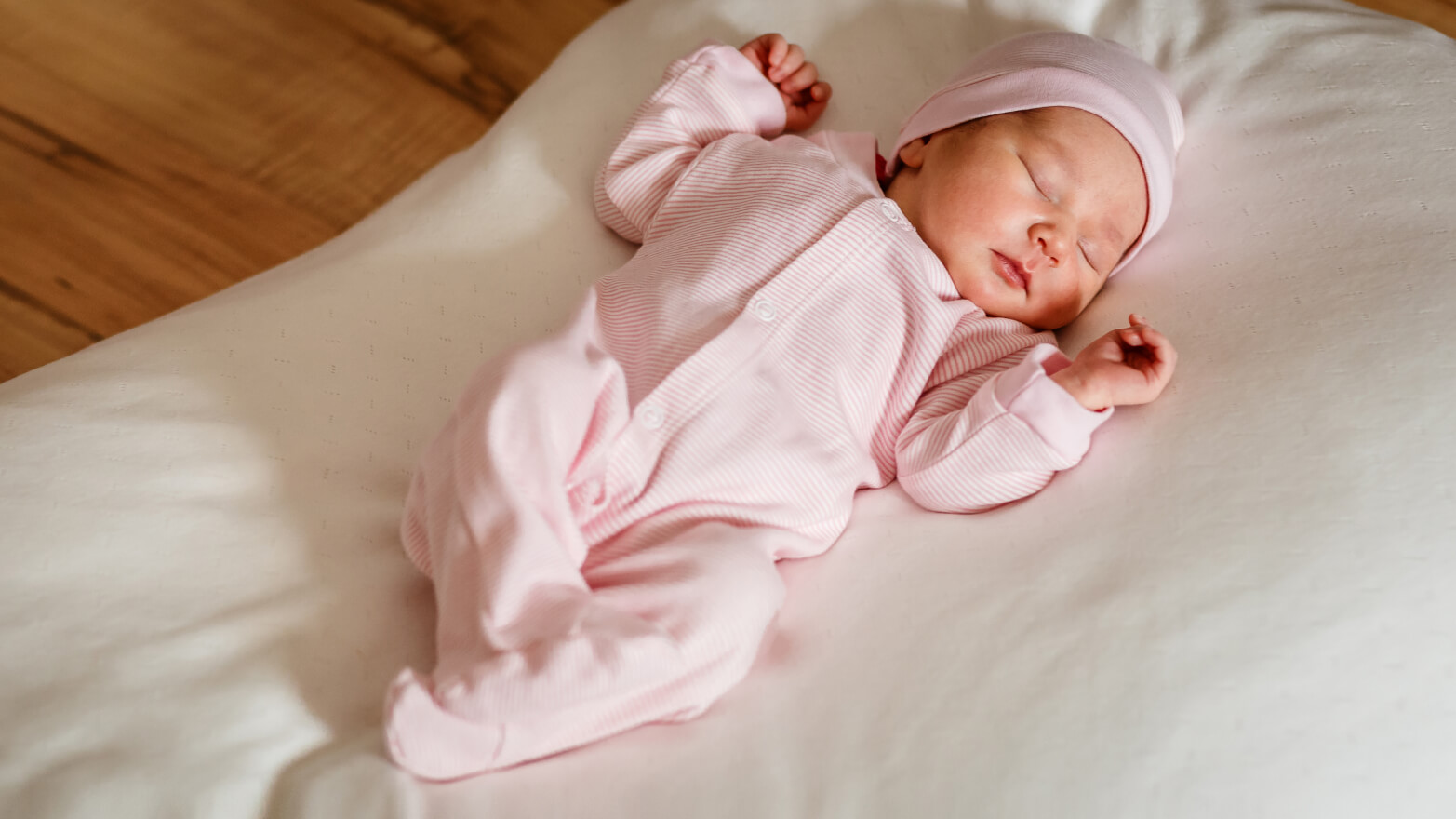
Footed pajamas are a newborn wardrobe staple because they combine comfort and convenience in one piece. Choose soft, breathable fabrics with features that make late-night changes easier, like two-way zippers or snaps that allow you to access the diaper area without fully undressing your baby.
Since babies grow quickly, consider registering for a range of sizes instead of only newborn clothing. Having a few larger sizes on hand can help you avoid a last-minute shopping trip when your baby hits a growth spurt.
Avoid stocking up too heavily on one size since some babies outgrow newborn clothing within just a few weeks.
Onesies
Register onesies with soft fabrics, envelope necklines that make it easier to pull the garment over your baby’s head and snaps at the bottom for quick diaper changes.
Register for a variety of short- and long-sleeve options depending on the season your baby is born. Since onesies are easy to mix and match, they’re one of the registry items you’ll likely use the most during the first year.
Socks
Baby socks help keep little feet warm and can be especially useful when your newborn isn’t wearing footed pajamas. Look for pairs with stretchy cuffs that stay on without being too tight, since loose socks have a way of disappearing during the day.
You probably won’t need a huge sock collection, especially if you’re registering for plenty of footed outfits. A few coordinating packs can give you enough options for colder days and outings when your baby is wearing a non-footed outfit.
Hats
Newborn hats can be helpful for keeping your baby comfortable during the early days. Try finding soft, lightweight fabrics that fit snugly without being too tight.
Consider the season and climate when choosing hats for your registry. A lightweight cotton hat may be more useful for a summer baby, while a warmer knit option can make sense for colder months.
Special outfits
A few special outfits can make your registry feel more personal and give you something memorable for milestones and family gatherings.
When choosing outfits, prioritize comfort and ease over appearance alone. Soft fabrics, simple closures and designs that allow for easy diaper changes will help ensure these items actually get worn rather than staying tucked away in the closet.
Travel essentials
Whether you’re heading out for a quick errand or planning a longer outing, the right baby gear can make leaving the house much easier. When building your registry, focus on versatile items that fit your lifestyle.
Car seat

A car seat is one of the most important items to add to your registry, since you’ll need one before bringing your baby home. Many parents start with an infant car seat because it can be used from the newborn stage and often clicks into a compatible stroller, making transitions from car to sidewalk much easier.
When choosing a car seat, look for one that fits your vehicle and lifestyle, and is easy to install. Features like a removable carrier, adjustable handle and machine-washable fabrics can make everyday use more convenient.
Stroller
A stroller is one of the baby gear purchases you’ll use long after the newborn stage, so it’s worth considering how you’ll actually use it. Focus on features that match your routine, whether that means a lightweight model for city walks, an all-terrain option for outdoor adventures or a travel system that works with your infant car seat.
Think about details that can make a difference day to day, like storage space, one-handed folding, adjustable handlebars and how easy the stroller is to maneuver. If you plan to have more children or want a stroller that grows with your family, a convertible model may be worth considering.
Baby carrier
A baby carrier can make it easier to keep your baby close while leaving your hands free for everyday tasks. It’s especially useful during the newborn stage when many babies enjoy being held, but you still need to move around the house, run errands or take walks.
Since carriers fit differently on every parent and baby, consider registering for a style that feels comfortable for your body. Soft wraps can be a cozy option for newborns, while structured carriers often offer more support and adjustability as your baby grows. Look for breathable materials, adjustable straps and a design that feels easy to put on and take off.
Diaper bag
A diaper bag keeps all the essentials organized when you’re away from home, from extra clothes and diapers to bottles and snacks. A bag with multiple compartments makes it easier to organize and quickly find what you need during a diaper change or feeding break.
A great diaper bag should fit your lifestyle. Some parents prefer backpack styles that keep their hands free, while others like tote-style bags with easy access. Consider features like wipeable materials, insulated bottle pockets and comfortable straps since you’ll likely be carrying it often.
Bath and health essentials
Bath time and basic care become part of your daily routine quickly, so it helps to have a few reliable essentials ready before your baby arrives. Focus on items that make everyday tasks easier, from gentle bath supplies to simple health tools you’ll want nearby when your baby needs extra care.
Baby bathtub
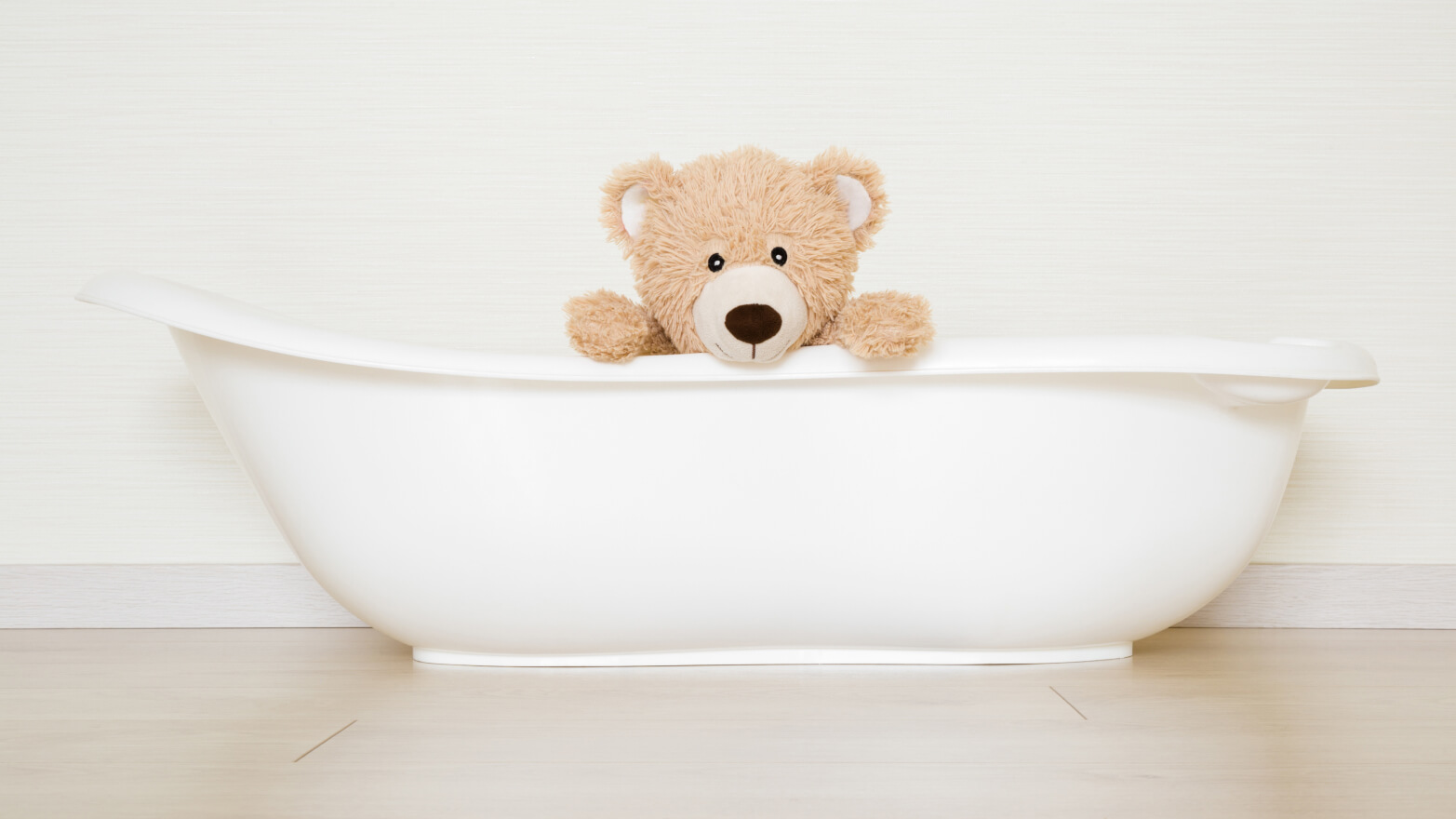
A baby bathtub gives your newborn a more manageable space for bath time compared with a full-size tub or sink. Look for a design that has a comfortable and supportive surface, and is easy to clean and dry between uses.
Also, consider how much space you have. In smaller homes, a foldable or sink-friendly option may free up some space.
Washcloths and hooded towels
Baby washcloths and hooded towels aren’t so glamorous, but you’ll use them a lot. Choose soft, absorbent fabrics that feel gentle on delicate skin and hold up well after repeated washing.
Hooded towels can help make post-bath time easier by keeping your baby warm while you dry them. Registering for a few sets can help ensure you always have a clean towel ready, especially during the newborn stage when laundry piles up quickly.
Baby body wash
Baby body wash gently cleanses your baby without being too harsh for their skin. Look for formulas made specifically for babies and consider options that are fragrance-free if you prefer a simpler routine.
You likely won’t need a large supply right away since newborns don’t require frequent baths. Adding one or two bottles to your registry gives you enough to get started while leaving room to see what works best for your baby.
Thermometer
Having a thermometer in your home can make it easier to check your baby’s temperature when they seem uncomfortable or aren’t acting like themselves.
Register for a baby thermometer that’s easy to use and provides quick, clear readings. Some parents prefer digital models designed for infants, while others choose options with features like flexible tips or multiple measurement methods.
Consult your baby’s healthcare provider for help determining the best way to check temperatures based on your child’s age.
Nail clippers
Baby nails grow quickly and can be surprisingly sharp, making nail clippers or a baby nail file a useful addition to your registry. Look for tools made specifically for infants, with smaller handles and blades that give you better control.
Some parents prefer electric nail trimmers with gentle filing attachments, especially during the newborn stage when tiny fingers can make trimming feel intimidating.
Nasal aspirator
Since newborns can’t blow their own noses, a nasal aspirator lets you clear your baby’s stuffy nose when congestion makes feeding or sleeping more difficult.
There are several styles available, including manual suction devices and electric models. Go for an option that’s easy to clean and comes with replaceable parts if needed.
Postpartum essentials
Adding postpartum essentials to your baby registry can help make the first few weeks after birth more comfortable and reduce the number of last-minute trips for recovery supplies. From personal care items to everyday comforts, these additions can help you feel more prepared as you adjust to life with a newborn.
Pain relief
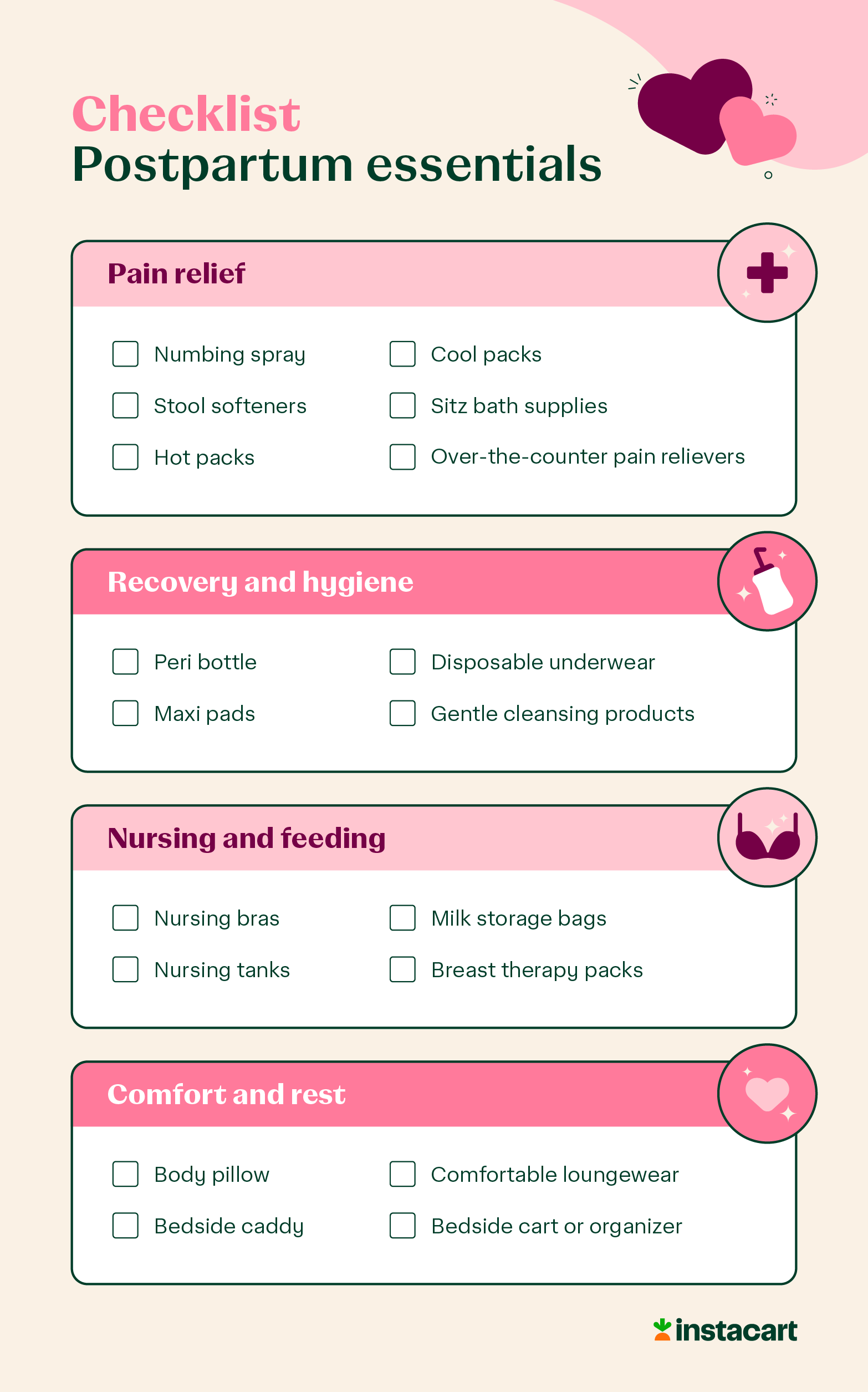
Recovery looks different for every parent, so it helps to have a few comfort items ready before you come home. Consider adding supplies like numbing spray, stool softeners, hot and cool packs and sitz bath essentials to your registry, so you have options available when you need them.
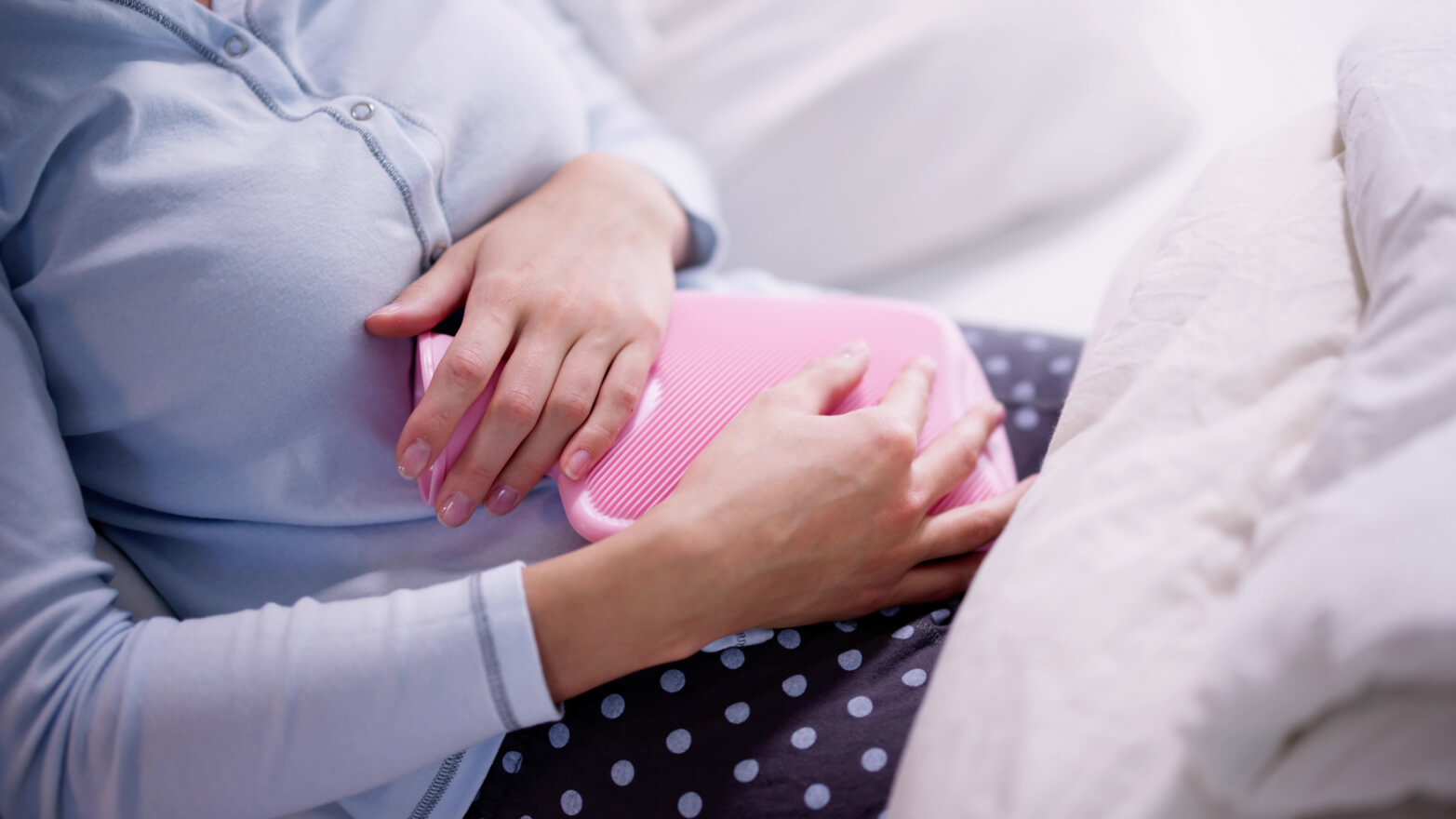
Over-the-counter pain relievers may also be useful to have on hand, but check with your healthcare provider about what’s right for you, especially if you’re breastfeeding or have any specific medical considerations. Look for products that are easy to use and keep a small recovery kit within reach, whether that’s in the bathroom or next to your bed.
Recovery and hygiene
Postpartum hygiene supplies can make everyday routines feel much easier while your body is recovering. A peri bottle can help make bathroom trips more comfortable, while maxi pads or disposable underwear can help catch any lochia.
Look for soft, comfortable products that fit your preferences and stock up on enough supplies so you’re not constantly replacing them. Gentle cleansing products, loose-fitting clothing and other personal care items can also help you feel more comfortable as you recover.
Nursing and feeding
If you plan to breastfeed or pump, nursing bras and tanks with easy access can make feeding more convenient, while breast therapy packs can provide comfort during the adjustment period.
You may also want to add practical pumping supplies, such as milk storage bags, if you expect to save breast milk. Since feeding plans can change, ask for a variety of items that support your routine rather than purchasing a large amount of specific products before you know what works best for you.
Comfort and rest essentials
The newborn stage often means spending a lot of time resting and recovering at home, so comfort-focused items can be just as valuable as baby gear. Consider adding cozy loungewear, a supportive body pillow or a bedside caddy to keep essentials within reach during those long stretches of time spent caring for your baby.
A bedside cart or organizer can also help keep items like water bottles, snacks, chargers and feeding supplies close by. These small conveniences can make a big difference when you’re tired and adjusting to a new routine.
Give new parents the gift of convenience with an Instacart gift card so they can get groceries, household items and last-minute baby essentials delivered right to their door when they need them most.
Grab it now on Instacart


Baby registry items you can skip (or buy later)
Not every baby item needs to make it onto your registry right away. Some products are better purchased later, once you know your baby’s preferences and your daily routine.
Consider skipping or waiting on:
Heavy blankets: Blankets are often marketed as nursery essentials, but according to the CPSC, you should keep soft bedding out of the crib until your baby reaches at least twelve months to reduce the risk of Sudden Infant Death Syndrome or SIDS.
Crib bumpers: Skip crib bumpers altogether and stick closely to the CPSC’s “bare is best guidelines.” According to The Journal of Pediatrics research, padded crib liners can increase the likelihood of infant death or entrapment.
Baby shoes: Tiny shoes are adorable, but newborns don’t need footwear before they’re walking. Soft socks, booties or footed pajamas are usually more practical for keeping little feet warm during the early months.
Excessive newborn clothing: It’s tempting to stock up on tiny outfits, but babies grow quickly and may outgrow newborn sizes sooner than expected. Start with a practical mix of sizes and add more clothing once you know what styles and sizes work best for your baby.
Multiple swings, bouncers or similar seats: Babies can have strong preferences when it comes to soothing gear, so buying several options upfront may leave you with unused items. Consider registering for one versatile option first and adding another later if you find you need it.
A dedicated changing table: A changing table can be convenient, but it’s not the only way to create a changing station. Many parents use a changing pad on top of a dresser or another sturdy surface instead, which can continue serving a purpose as their child grows.
Wipe warmer: While some babies enjoy warm wipes, this item isn’t essential and can add another piece of equipment to your changing setup. Many families do just fine with room-temperature wipes.
Specialized baby gadgets: Products that promise to solve every parenting challenge can be tempting, but many are only useful in specific situations. Consider waiting on items like bottle warmers, baby food makers or smart nursery devices until you know they fit your routine.
Tips for building a baby registry
Building a baby registry is about finding the right balance between being prepared and avoiding items you may never use. Start with the essentials you’ll need right away, then add items that fit your budget, lifestyle and parenting preferences. A thoughtful registry gives loved ones plenty of ways to contribute while helping you feel ready for your baby’s arrival.
Register at different price points: Include a mix of smaller everyday items and larger purchases, so friends and family can choose gifts that fit their budget. Everyday essentials like diapers, wipes and clothing can be just as helpful as bigger baby gear.
Prioritize big-ticket items first: Add larger items like a crib, stroller, car seat or high chair early so your registry feels complete and loved ones have time to plan group gifts if needed.
Add consumable baby essentials: Items you’ll use up regularly, like diapers, wipes, diaper cream and baby toiletries, are practical additions that can help reduce expenses after your baby arrives.
Consider your home and lifestyle: The best baby gear depends on how you live. Think about your available space, whether you’ll travel often, how you’ll get around day to day and which products will actually fit into your routine.
Leave room for gift cards: Gift cards can be especially useful for filling in gaps after your baby arrives. You may discover you need more of a certain size, a different bottle style or an item you didn’t anticipate.
Review your registry before your due date: Take a final look a few weeks before your baby arrives to make sure you have the essentials covered and remove anything that no longer feels useful. This is also a good time to check sizes, quantities and product availability.
Avoid duplicate purchases: Before adding similar items, decide how many you realistically need. This is especially helpful for clothing, bottles and gear that comes in multiple styles.
Don’t forget postpartum essentials for parents: Recovery supplies, comfortable clothing, feeding support items and everyday conveniences deserve a spot on your registry too. Taking care of yourself helps make the transition to life with a newborn a little easier.
How to make a registry on Instacart
Instacart doesn’t offer a traditional baby registry, but you can still use the platform to create and share shopping lists for the essentials. Save your favorite products in an Instacart list, then share it with family and friends so they can help coordinate purchases or order essentials when you need them.
For added convenience, consider using an Instacart Family Account. This makes it easier to tag-team grocery, baby supply and household essentials shopping.
Order the essentials for the new baby in your life through Instacart
A well-stocked home can make those first weeks with a new baby feel a little easier. Use your baby registry essentials checklist to plan what you’ll need, then order everyday supplies through Instacart when it’s time to refill your stash or pick up last-minute items before baby arrives.
FAQs
Do you need to have a baby shower to have a registry?
No, you don't need to have a baby shower to create a baby registry. Many parents make a registry to keep track of the items they plan to buy themselves or to share with friends and family who ask what they need.
What are minimalist baby registry essentials?
A minimalist baby registry focuses on the items you'll use every day. Prioritize essentials like a safe sleep space, car seat, stroller, diapers, wipes, feeding supplies, a small wardrobe and basic bath and health items.
What are some baby registry essentials under $500?
A $500 budget can cover some of the pricier items on a baby registry like a car seat, crib or bassinet, mattress, stroller or electric breast pump. You can also stretch your budget by purchasing smaller registry items.
What are some baby registry essentials under $100?
A $100 gift budget opens the door to many of the everyday baby products parents use for months or even years, such as a high chair, baby carrier, diaper bag, baby monitor, white noise machine or baby bathtub.
What are some baby registry essentials under $50?
If you’re working within a budget, consider helping parents stock up on items they’ll have to replace or wash frequently for maximum impact — diapers, wipes, diaper cream, baby wash, bibs and burp cloths are good places to start.