


Fresh basil can make a dish taste finished in seconds, but it can also wilt or blacken before you get through the bunch. The trick is knowing what type of basil you have, when to add it to food and how to store or preserve the leaves before they lose their best flavor.
What is basil?
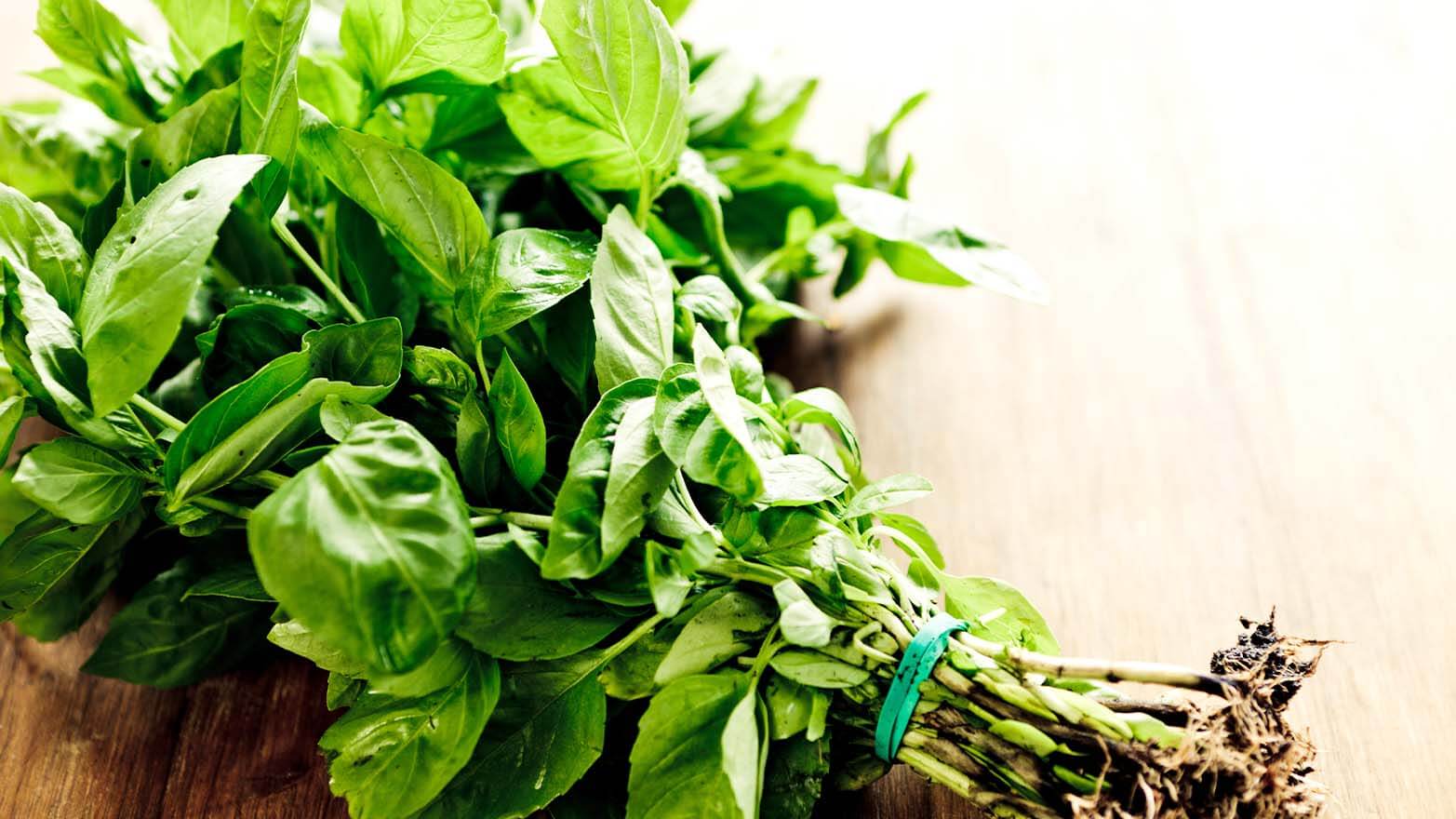
Basil is a culinary herb that comes from the mint family. It is grown for its aromatic leaves and used in cuisines around the world, from Italian pesto and tomato sauces to Thai stir-fries and Vietnamese noodle dishes.
Basil is typically added to dishes during the final stages of cooking to preserve its flavor. It's a primary ingredient in pesto, used in marinara sauce, soups, and on pizza.
What does basil taste like?
Fresh basil tastes sweet, green and aromatic, with notes that can read as peppery, clove-like, minty or slightly anise-like depending on the variety. Heat softens its aroma, which is why fresh basil is often added near the end of cooking.
What are the main types of basil?
There are many basil varieties, and they are not interchangeable in every recipe. Flavor, leaf size and aroma can vary substantially.
Genovese basil
Genovese basil is the classic pesto basil: large, soft green leaves with a sweet, peppery and clove-like aroma. It is closely associated with Italian cooking.
Purple basil
Purple basil has deep burgundy leaves and a slightly more assertive, sometimes spicier flavor. It is useful raw in salads, as a garnish or anywhere its color can stand out.
Thai basil vs. basil
Thai basil usually has narrower leaves, purple stems and a stronger anise or licorice-like note than common sweet basil. It also holds up better to heat, which is why it is often added to hot stir-fries, curries and soups.
What to do with fresh basil
Use fresh basil in pesto, tomato salads, pasta, pizza, soups, sandwiches, sauces, grain bowls, fruit salads and infused oils or vinegars. Add delicate leaves at the end of cooking whenever you want the aroma to stay bright.
How to cut basil and make a basil chiffonade
A basil chiffonade creates thin ribbons that are easy to scatter over pasta, salads or pizza.
- Stack several clean, dry basil leaves.
- Roll the stack gently from one side into a loose cylinder.
- Slice crosswise with a sharp knife into thin ribbons.
- Use immediately; cut basil bruises and darkens faster than whole leaves.
When is basil in season?
Basil loves warm weather and is at its best during summer, although greenhouse production makes fresh basil available year-round in many grocery stores. Outdoor basil is sensitive to cold and frost.
How to choose fresh basil
Look for vibrant leaves that feel flexible but not limp. Skip bunches with widespread black spots, yellowing, slime or crushed leaves. Smaller blemishes can be trimmed away if the rest of the bunch is fresh.
How to store fresh basil
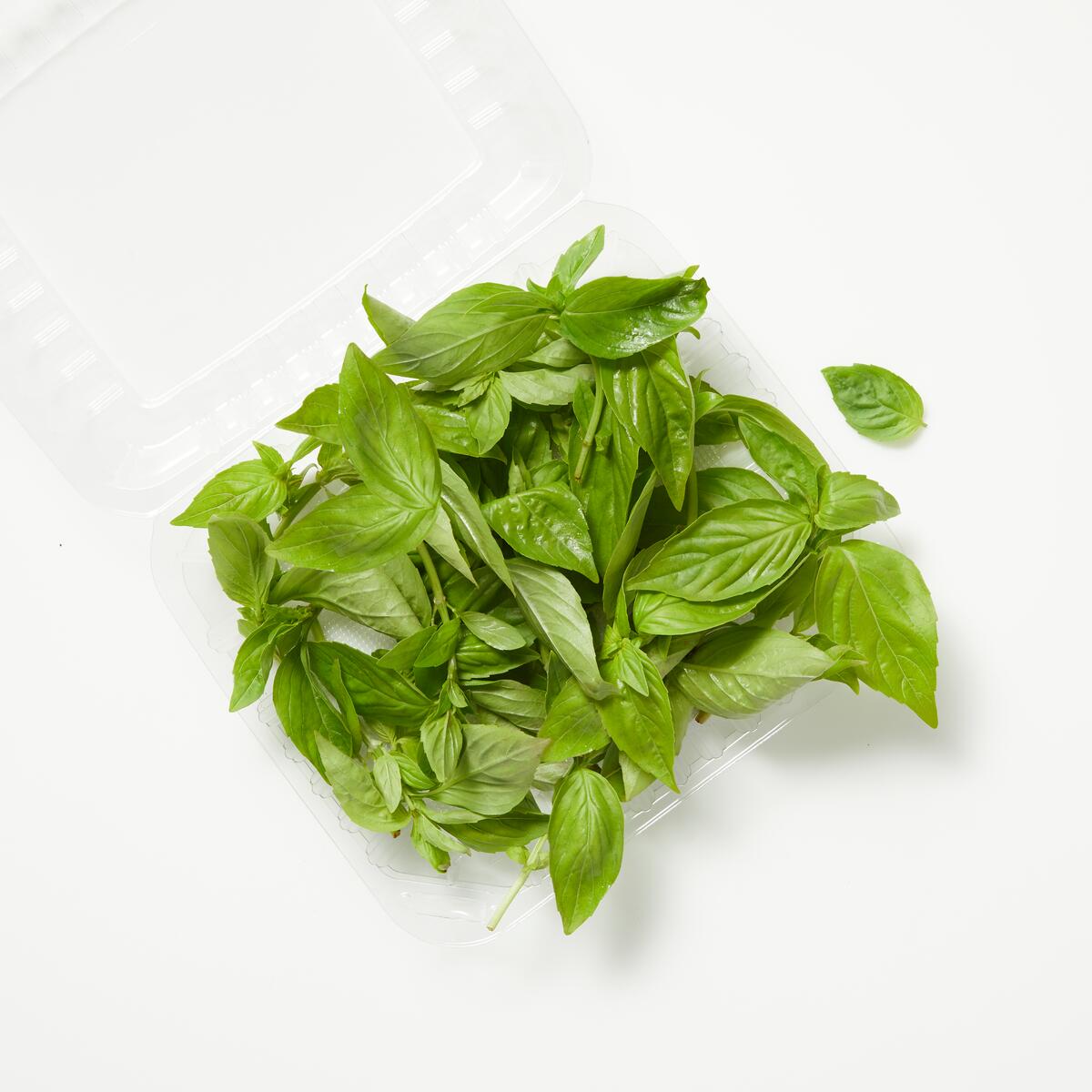
For stem-on basil, one of the simplest ways to keep basil fresh is to treat it like a bouquet. Trim the stem ends, place the bunch in a glass with a little water and keep it at room temperature away from direct sun. Loosely covering the leaves with a lightweight bag can help limit moisture loss.
Change the water when it turns cloudy. Basil is sensitive to cold, so refrigeration can sometimes darken the leaves. If your basil is already packaged without stems, keep the leaves as dry as possible and use them quickly.
How to keep basil fresh longer
Do not wash basil until you are ready to use it unless you can dry it completely. Remove damaged leaves as soon as you notice them, because excess moisture and bruising speed up spoilage.
How to preserve fresh basil
If you have more fresh basil than you can use in a few days, drying and freezing are the easiest ways to preserve it. The method you choose depends on how you want to use the basil later.
How to dry basil
To dry basil, wash the leaves only if needed and dry them thoroughly. Arrange the leaves in a single layer in a dehydrator or use another low, gentle drying method until the leaves are crisp and crumble easily. Store dried basil in an airtight container away from heat and direct light.
Dried basil is more concentrated and less fresh-tasting than raw basil, so use a smaller amount than you would use of fresh leaves and adjust to taste.
How to freeze basil
Freeze basil when you want to preserve more of its fresh flavor. You can freeze whole dry leaves, chop the basil and freeze it in small portions, or combine chopped basil with a little oil in an ice cube tray for easy additions to sauces and soups. Frozen basil will darken and soften, so use it in cooked dishes rather than as a fresh garnish.
Fresh basil vs. dried basil
Fresh basil is brighter, sweeter and more aromatic; dried basil is earthier and more concentrated. Fresh basil works best in salads, pesto and as a finishing herb, while dried basil is convenient in sauces, soups and dishes that simmer for longer.
How to tell if basil is bad
Basil is past its best by date if the leaves are limp, turning black, or have a rotten smell. Does it look bad? Are the leaves limp and turning black? Does it have a rotten smell? Those are all signs the basil is past its best. Discard basil that is slimy, moldy or sour-smelling rather than trying to salvage the affected leaves.
What can I substitute for basil?
The best basil substitute depends on the dish. Oregano can work in tomato-heavy Italian recipes, cilantro may fit some Southeast Asian dishes, and mint can add freshness when basil is used raw. For pesto, consider another tender green herb or leafy green and expect the flavor to change.
Shop fresh basil with Instacart
Fresh basil can add a bright, aromatic finish to everything from pesto and pasta to salads, soups, and pizza. Choose vibrant leaves without widespread dark spots or wilting, then use them fresh or preserve extra basil by freezing or drying it for later.
When you are ready to stock up, browse fresh basil on Instacart to see what participating retailers have available for delivery or pickup in your area.


