Swiss chard is one of the most colorful vegetables in the produce aisle, but those bright stems can make it look more complicated than it is. Both the leaves and stems are useful, the whole bunch cooks quickly, and the flavor fits anywhere you would normally reach for spinach, kale or another leafy green.
What is Swiss chard?
Swiss chard is a leafy green vegetable in the beet family. Unlike beets, chard is grown for its leaves and colorful stems rather than its root.
Swiss chard is the most common variety of chard, but the vegetable comes in colors like red and golden. You might even see rainbow chard, which is a combination of the different kinds of chard.
The green leaves of chard typically have a bumpy, grooved texture that runs up into a thick, colorful stem. The stems can be white, yellow, orange, pink or red depending on the variety.
What does Swiss chard taste like?
Swiss chard has an earthy, mild and slightly bitter flavor. The leaves are more robust than spinach but generally less assertive than many mustard greens. The stems are crisp when raw and become sweeter and more tender as they cook.
Common types of chard
Chard varieties are usually distinguished by stem color and growing characteristics rather than dramatic differences in how they are used. Most can be prepared in the same ways.
Swiss chard
The name Swiss chard is often used for chard in general, but in grocery stores it commonly refers to bunches with broad green leaves and pale or colored stems.
Rainbow chard
Rainbow chard is a mixed bunch containing several stem colors, often red, pink, orange, yellow and white. It cooks just like other Swiss chard, which means you do not need a separate technique for how to cook rainbow chard.
Red chard
Red chard has deep red or burgundy stems and veins. The leaves can be green or slightly darker than other chard varieties. Its flavor and cooking uses are similar to other types of chard.
How to prepare Swiss chard
Start by rinsing the leaves and stems well under cool water, paying attention to the grooves where the leaf meets the stem. Pat or spin the leaves dry, especially if you plan to sauté them.
How to store chard
To store chard effectively, separate the leaves and stems and store them in separate containers for up to a week in your refrigerator. But for best results, use it within three days. Storing the leaves properly means laying them out on paper towels and rolling them into a bundle. Then, seal them into a plastic bag. The stems should also be wrapped in plastic.
If you’d rather leave it whole, refrigerate it but make sure it’s wrapped loosely in plastic for just a few days. You can rinse your chard before storing it, but make sure it’s fully dry before you do. But you also have the option of rinsing it right before use.
Even though it's best fresh, you can store chard for up to a year if it's frozen.
How to cut Swiss chard
- Lay a leaf flat on a cutting board.
- Slice along both sides of the thick center stem to separate the leaf from the rib.
- Stack the leaves and cut them into ribbons or bite-size pieces.
- Chop the stems separately into thin slices so they cook evenly.
Can you eat Swiss chard stems?
Yes. Swiss chard stems are edible and worth keeping. Because they are firmer than the leaves, start cooking them first. Thinly sliced stems usually need a few extra minutes before the leaves are added to the pan.
Can you eat Swiss chard raw?
Yes. Young, tender Swiss chard can be eaten raw, especially when sliced thinly. Larger leaves are chewier and more assertive, so they are often better cooked or massaged with dressing before serving in a salad.
How to cook Swiss chard
Swiss chard cooks quickly. The key is to give the stems a head start, then add the leaves once the stems begin to soften.
Sautéed Swiss chard
For sautéed Swiss chard, heat olive oil in a wide skillet, cook the chopped stems with garlic or onion for a few minutes, then add the leaves. Toss until the leaves wilt and the stems are tender. Finish with lemon juice, vinegar, chile flakes or grated cheese.
How to cook rainbow chard
Cook rainbow chard exactly as you would other Swiss chard. The mixed stem colors do not require different cooking times; thickness matters more than color. Chop the stems evenly and add them before the leaves.
Swiss chard vs. other leafy greens
Swiss chard vs. kale
Kale is generally chewier and takes longer to soften, while Swiss chard wilts more quickly and has tender leaves with crisp stems. Either can work in soups, sautés and braises, but chard is often better for fast cooking.
Swiss chard vs. spinach
Spinach is softer and more delicate than Swiss chard. Chard has a firmer leaf and edible stem, so it adds more texture and can stand up to longer cooking. If substituting spinach for chard, add it later in the cooking process.
Swiss chard vs. collard greens
Collard greens are thicker and usually need more cooking time than Swiss chard. Chard has a milder texture and cooks much faster, making it a good choice for weeknight sautés.
What is the nutritional value of Swiss chard?
Swiss chard provides vitamin K, vitamin A, vitamin C, magnesium and potassium, along with fiber and other micronutrients. Because leafy greens shrink when cooked, a cup of cooked chard contains more leaves than a cup of raw chard.
When is Swiss chard in season?
Swiss chard tolerates cool weather but can also grow through warmer months, so it has a long season in many regions. You may find it year-round, with especially good availability from spring through fall.
How to pick Swiss chard
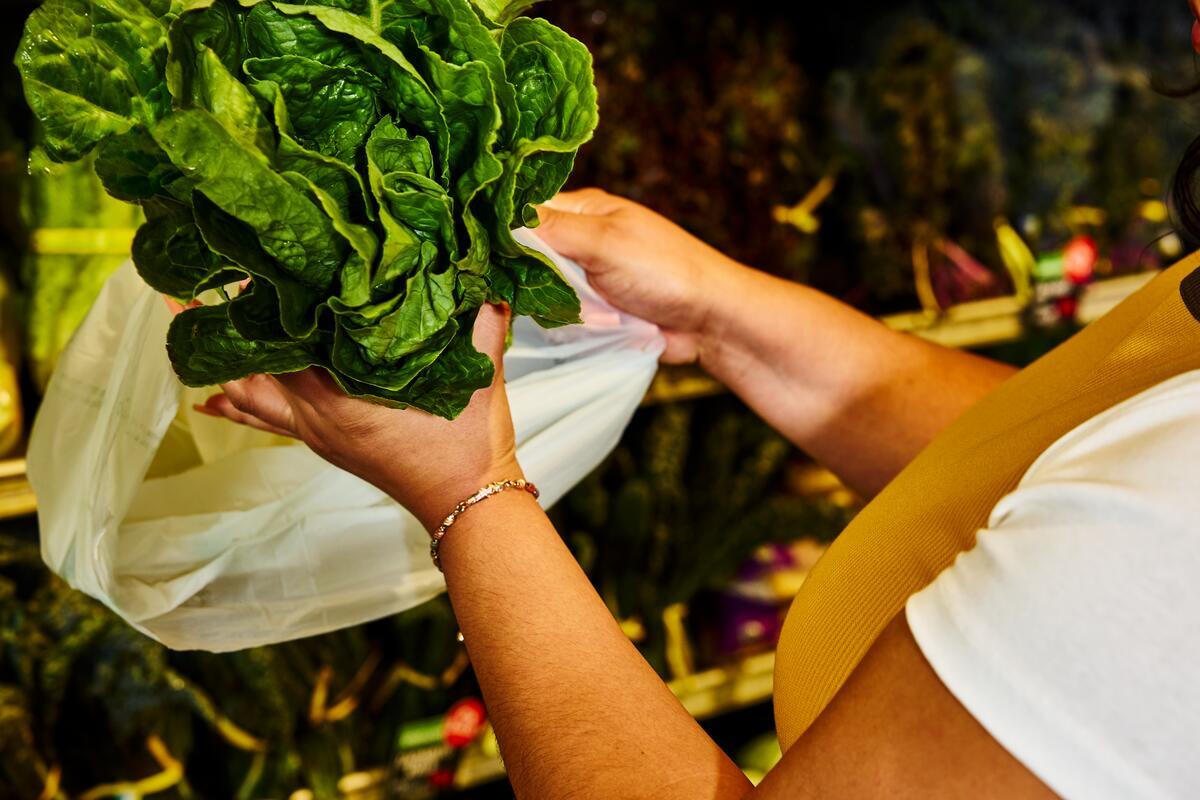
When buying swiss chard, look for bunches that have dark green leaves and brightly colored stems. Choose crisp leaves without widespread yellowing, holes or slime. The stems should feel firm rather than rubbery or split.
How to store Swiss chard
Keep Swiss chard dry and refrigerated. Loosely wrap the bunch in a paper towel and place it in a produce bag or container in the crisper drawer. Wash it right before use rather than before storage unless you can dry it thoroughly.
For the best quality, plan to use fresh chard within several days.
Can you freeze Swiss chard?
Yes. To freeze Swiss chard, wash and cut the leaves and stems, blanch them briefly, cool them in ice water and drain very well. Freeze in portions you can add directly to soups, stews, casseroles or sautés.
How to tell if Swiss chard is bad
Discard chard that is slimy, strongly wilted, sour-smelling or covered with spreading dark spots. Slightly limp leaves can often still be cooked if there are no signs of spoilage.
What is a good Swiss chard substitute?
The best Swiss chard substitute depends on how you are cooking it. Kale and collard greens are sturdy options for longer cooking, spinach is good for quick sautés and soups, and beet greens are especially similar because chard and beets are close relatives.
Shop Swiss chard with Instacart
Swiss chard gives you two ingredients in one bunch: tender leafy greens and colorful, edible stems. Whether you choose Swiss, red, or rainbow chard, look for crisp leaves and firm stems, then sauté, braise, or add them to your favorite dishes.
When you are ready to give it a try, browse Swiss chard on Instacart to see what participating retailers have available for delivery or pickup in your area.