Edible flowers can do more than make a plate look polished. Depending on the variety, they can add peppery, citrusy, herbal, floral or slightly sweet flavors to cakes, cocktails, salads and savory dishes.
The most important rule is knowing exactly which flowers are edible. Not every flower is safe to eat, and flowers sold for decoration are not automatically suitable for food. This guide covers flowers you can eat, how to use them, where to buy edible flowers, and how to keep them fresh.
What are edible flowers?
Edible flowers are blossoms, petals, or other flower parts from plant species that are safe to eat when properly identified and prepared. They may come from ornamental plants, herbs, vegetables, or fruiting plants and can range from mild and floral to spicy, peppery or herbaceous.
Edible flowers aren’t limited to wedding cakes and cafe menus. Add edible flowers to home-cooked dishes whenever the recipe calls for it, or you’re feeling fancy.
What flowers are edible?
There is no single edible flowers list that makes every part of every flower safe. Only eat flowers you can positively identify as edible, and use the edible portion specified for that plant. Avoid flowers from florists, roadsides or plants treated with products not intended for food crops.
Common types of edible flowers include roses, pansies and violas, nasturtiums, lavender, chive blossoms, squash blossoms, hibiscus, and certain marigolds. Flavor and edible plant parts vary by species, so identification matters.
Are roses edible?
Yes, petals from certain rose species are edible when the flowers have been grown for culinary use and have not been treated with unsuitable pesticides. Rose petals can taste mildly sweet, floral or fruity depending on the variety. Remove the bitter white base of the petal before using it in desserts, syrups, teas, salads, or garnishes.
Are pansies edible?
Yes. Pansies and other edible Viola species are commonly used as garnishes because their colorful flowers have a mild, grassy flavor. Use flowers specifically grown for eating rather than ornamental pansies from a garden center or florist.
Are marigolds edible?
Some marigolds are edible, but the name “marigold” covers several different plants. Signet marigolds are one culinary example, while calendula is often called pot marigold even though it belongs to a different genus. Check the exact species before eating any marigold and use only flowers grown for food.
Where did edible flowers originate from?
Edible flowers have been used in food and drink across cultures for centuries, from rose and orange blossom flavorings to squash blossoms, lavender, hibiscus and herb flowers. Today, edible flowers show up in everything from teas and cocktails to cakes, salads, sauces, and savory dishes.
What is the nutritional value of edible flowers?
The nutritional value of edible flowers depends on the species and the amount you eat. Different flowers contain different plant pigments and micronutrients, but most are used in relatively small quantities as a garnish or flavoring rather than as a major source of nutrition.
Instead of treating all edible flowers as nutritionally identical, think of them as ingredients with different flavors, colors and compositions. If nutrition is the goal, build the meal around a variety of fruits, vegetables, whole grains and other nutrient-dense foods, then use edible flowers as an extra layer of flavor or presentation.
How are edible flowers grown?
Edible flowers come from herbs, vegetables, and fruits—think chervil, squash blossoms, and banana flowers in that order.
Depending on the species and growing space, edible flowers can be grown in garden soil, raised beds, or containers. What makes a flower appropriate for eating is not simply how it looks: it must be the correct edible species and grown and handled for food use.
If you grow edible flowers at home, follow pest-control directions for edible crops and avoid applying products that are not labeled for food plants. Harvest clean, healthy blooms and confirm which parts of the flower should be removed before serving.
When are edible flowers in season?
The availability of fresh edible flowers varies according to seasonality.
The exact window depends on the flower and growing region. Cool-weather flowers such as pansies may be available at different times than warm-season blooms such as nasturtiums and squash blossoms, while greenhouse production can extend availability. Check local inventory if you need a specific flower for an event or recipe.
How to use edible flowers
Use edible flowers as an ingredient, garnish or finishing touch, but match the flower to the dish. Mild floral blooms work well with desserts and drinks, while peppery or herb-like flowers can complement salads and savory foods.
Edible flowers for cakes and desserts
Edible flowers for cakes can be placed on frosted cakes, cupcakes and tarts just before serving or used to decorate individual plates. Pansies, violas and food-safe rose petals are popular for visual impact, while lavender can add flavor when a recipe calls for it. Keep fresh flowers away from inedible stems or floral wire, and make sure every bloom touching the food is intended for consumption.
Edible flowers for cocktails and drinks
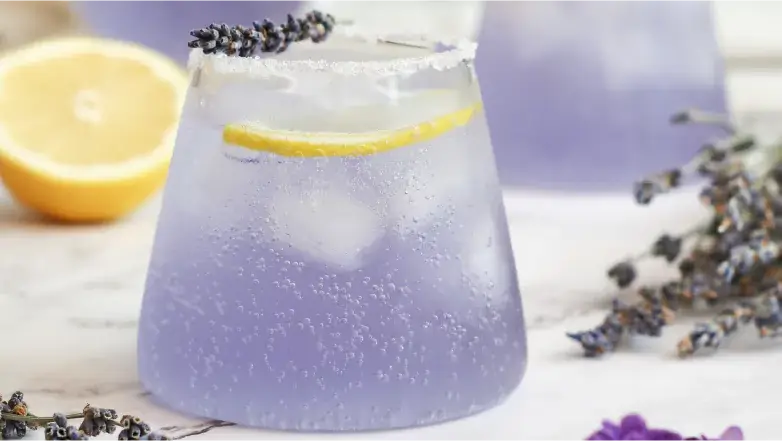
Edible flowers for cocktails can float on the surface of a drink, be frozen into ice cubes or be used in syrups and infusions when the flower is appropriate for that preparation. Rose, pansy, hibiscus, and lavender are a few options used in drinks. Use a light hand: floral flavors can become overpowering quickly.
The same ideas work for edible flowers for nonalcoholic drinks, including sparkling water, lemonade, iced tea and mocktails.
Edible flowers for salads and garnish
Edible flowers for salads can add color and flavor without changing the structure of the dish. Peppery nasturtiums, mild pansies and herb blossoms such as chive flowers are easy ways to add contrast. When using edible flowers for garnish, add delicate petals at the very end so they stay fresh and visible.
Where to buy edible flowers
Always remember that edible flowers are different from commercially sold flowers. When buying edible flowers at the grocery store, choose from the produce area rather than the florist section. Pick flowers that look fresh and perky in vibrant colors. Avoid those with mold, dark spots, and insect holes.
If you are wondering, “where can I buy edible flowers?” check produce departments, specialty grocers, farmers markets and grocery delivery services that clearly label the flowers for culinary use. A search for edible flowers near me may surface different options depending on your location and season.
Looking for edible flowers in your area? Instacart offers fresh produce delivery from participating retailers. Browse edible flowers and check what is available from stores near you.
How to choose edible flowers at the grocery store
Look for bright color, upright petals and a fresh appearance. Avoid flowers that are slimy, moldy, badly bruised or heavily wilted. Most importantly, choose packaging or signage that identifies the flowers as edible rather than assuming an ornamental flower is safe to eat.
How to store edible flowers
The shelf life of edible flowers depends on the bloom variety and size. Small, delicate blossoms usually have shorter longevity than larger, sturdier ones. It’s best to use them as fresh as possible, which means purchasing them the day before using or on the actual day itself.
If you don’t anticipate using the flowers either today or tomorrow, take these steps to preserve their freshness for as long as possible:
- Gently remove any damaged petals and keep the flowers dry enough to prevent excess moisture from pooling.
- Place the flowers between lightly damp paper towels or in a container lined with a lightly damp paper towel.
- Refrigerate them in a covered container or food-safe bag and keep them away from crushing produce.
- Wash edible flowers gently under cool running water shortly before using them, then let them dry on a clean towel.
How long do edible flowers last?
Edible flowers are highly perishable. Some delicate blossoms are best used within a day or two, while sturdier varieties may keep for several days under refrigeration. The flower type, harvest date, and storage conditions all affect shelf life, so use appearance, texture and smell as your guide.
How to tell if edible flowers are bad
Usually, wilting is the first sign that your edible flowers have gone bad—think droopy petals in faded hues. The petal edges may also sport brown spots or decay. Lastly, a sniff is sufficient to tell if their scent has disappeared or turned unpleasant.
Discard flowers that develop mold, a slimy texture or an off odor. Mild wilting can be a quality issue, but visible decay or mold is a reason not to use the flowers.
What can I substitute for edible flowers?
As not all varieties of edible flowers are available throughout the year, there are two ways to substitute them:
- Appearance: If you’re intent on specific colors and textures, choose another edible flower with a similar look rather than substituting an ornamental flower that has not been approved for food use.
- Aroma and flavor: If you’re particular about the flower’s taste and/or fragrance, try herbs, spices, citrus zest or produce with a similar flavor profile.
Shop edible flowers with Instacart
When you are ready to try them, browse edible flowers on Instacart to see what participating retailers have available for delivery or pickup in your area.