You came home with a beautiful bunch of cilantro, used two sprigs, and watched the rest turn to slime by Thursday. Or you bought a full loaf of bread, had a few slices, and tossed the rest. Sound familiar? If you're grocery shopping for one person, there's a real art to buying just enough—not so little that you're scrambling for dinner at 7pm, and not so much that half your fridge becomes a science experiment.
This guide gives you a practical single person grocery list you can actually use, with real quantities, smart storage habits, and tips to stop wasting the food you already paid for. Whether you're a college student stocking your first kitchen, a young professional figuring out weeknight meals, or someone who just moved out on their own, this is the grocery list for one that works for your real life.
The Complete Grocery List for One Person
A good grocery shopping list for one person isn't about buying one of everything, it's about buying the right mix of foods that play well together across multiple meals. Here's a master list by category. Check off what you need each week based on what you already have at home.
Tip: Before checking anything off, scan your fridge, freezer, and pantry first. Only add what you actually need.
Produce
Mix fast-dying and long-lasting items so you always have something to eat, even on day 6.
Use-first (days 1–3):
☐ Berries (1 pint)
☐ Spinach or mixed greens (1 bag; also works for smoothies and eggs)
☐ Avocado (1–2)
☐ Fresh herbs (basil, cilantro, or parsley (1 bunch, only if you have 2+ uses))
☐ Bananas (1 bunch)
Longer-lasting (days 4–7):
☐ Apples or pears (3–4)
☐ Carrots (small bag)
☐ Bell peppers (2)
☐ Broccoli or cabbage (1 head)
☐ Potatoes or sweet potatoes (2–3; also work as a grain substitute)
Flavor builders:
☐ Yellow onion (1)
☐ Garlic (1 head)
☐ Lemon or lime (1–2)
Frozen backup:
☐ Frozen vegetables; peas, broccoli, edamame, or stir-fry mix (1 bag)
☐ Frozen fruit; berries or mango, for smoothies or oatmeal (1 bag)
Browse fresh produce — many stores let you buy individual pieces instead of a full bag when you only need a few.
Proteins
Pick one to cook, one quick option, and one shelf-stable, that covers most meal scenarios without overlap.
Something to cook (pick 1):
☐ Chicken thighs or breasts (2–3 pieces; freeze the rest)
☐ Salmon or white fish (1–2 fillets)
☐ Ground turkey or beef (1/2 to 1 lb; portion and freeze extra)
☐ Firm tofu (1 block)
☐ Shrimp, frozen (small bag)
Quick or no-cook proteins:
☐ Eggs (1 dozen, these do triple duty)
☐ Greek yogurt (individual cups or small container)
☐ Cottage cheese (small container)
☐ Deli turkey or ham (small pack)
☐ Hummus (1 container)
Shelf-stable backups:
☐ Canned tuna or salmon (2 cans)
☐ Canned chickpeas, black beans, or white beans (2 cans)
☐ Dried lentils (1 bag, these go far and are the cheapest protein per serving)
☐ Peanut butter or almond butter (1 jar)
Browse meat, seafood or meat alternatives to find sizes that make sense for your kitchen. If the smallest meat package is still more than you need, freeze half immediately when you get home.
Grains and Meal Bases
Choose 2–3 that do multiple jobs. Tortillas and rice are the highest-utility picks for solo cooking.
☐ Rice: white, brown, or jasmine (1 bag; lasts months)
☐ Pasta (1 box, spaghetti, penne, or rotini)
☐ Bread or sourdough (1 loaf; freeze half immediately)
☐ Flour tortillas (1 pack, works for wraps, quesadillas, breakfast burritos)
☐ Oats, rolled (1 canister for cheap, filling breakfasts)
☐ Potatoes or sweet potatoes (they count as a base)
For more recipe inspiration, see Vegetable Fried Rice or a Veggie Power Bowl, both are built around the kind of flexible bases above.
Dairy and Refrigerated Staples
For refrigerated foods, the right size is the size you can realistically finish. Smaller is often the smarter choice.
☐ Milk or dairy alternative: oat, almond, or soy (smaller carton if you only use a splash)
☐ Shredded or block cheese (parmesan lasts longest; shredded is most versatile)
☐ Butter (1 stick or small container)
☐ Sour cream or cream cheese (small container, optional)
Browse dairy and eggs for options that match your household size.
Pantry and Freezer: Your Safety Net
These don't expire during a busy week. Stock them once and replenish as needed.
Cooking basics:
☐ Olive oil or neutral cooking oil
☐ Salt, black pepper
☐ Garlic powder, onion powder, cumin, red pepper flakes
☐ Soy sauce or tamari (small bottle)
Pantry workhorses:
☐ Canned diced tomatoes (2–3 cans)
☐ Chicken or vegetable broth (1 carton)
☐ Tomato paste (1 small can)
☐ Pasta sauce (1 jar)
Freezer backups:
☐ One frozen meal for emergencies
☐ Frozen vegetables and fruit (already listed in Produce above)
Browse pantry foods and frozen food for longer-lasting staples worth stocking up on.
Snacks, Drinks, and Extras
Add these after you've covered the core categories so they don't quietly eat half your budget.
☐ Crackers or rice cakes
☐ Granola or trail mix
☐ Dark chocolate or a sweet treat
☐ Coffee or tea
☐ Sparkling water or juice
Browse snacks and beverages. For a broader starting point, see What to Get at the Grocery Store: A Basic Shopping List or Instacart's guide to grocery list categories.
How Much Food Should One Person Buy Per Week?
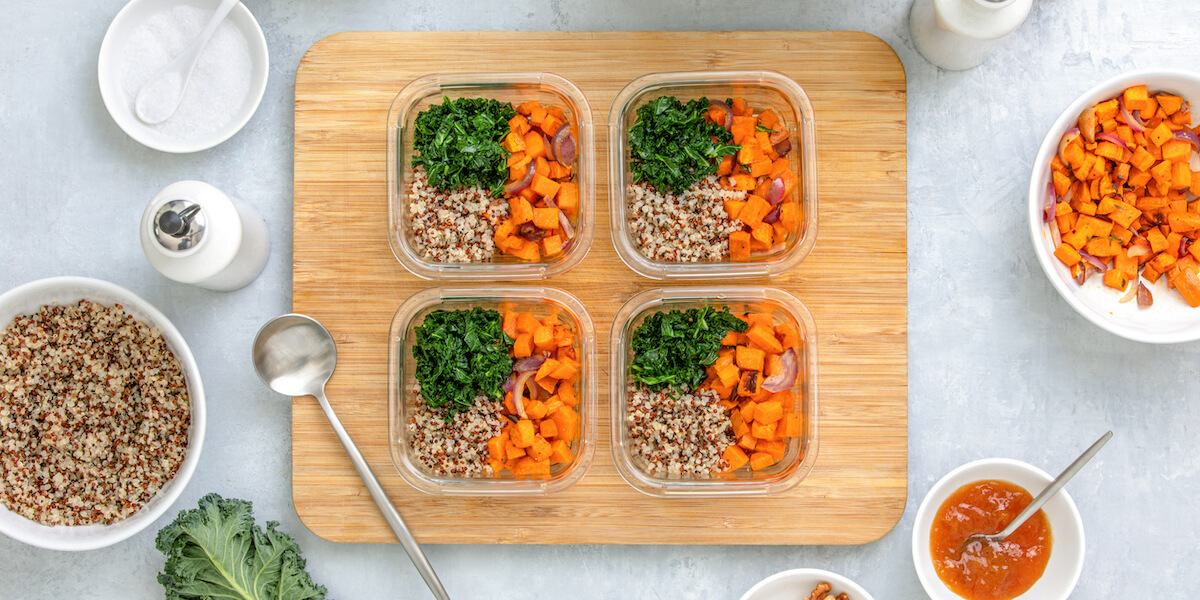
Here's the honest answer: it depends entirely on how many meals you actually eat at home. If you're trying to figure out how to grocery shop for one without constantly over-buying, start by counting meals, not days.
Step 1: Count the Meals You're Actually Cooking This Week
Before you make the list, look at your week honestly. Subtract the meals that are already accounted for:
- Lunch at work or school
- Dinner plans with friends
- Nights you know you'll order takeout
- Leftovers from a previous meal
- Work trips or long days when you won't cook
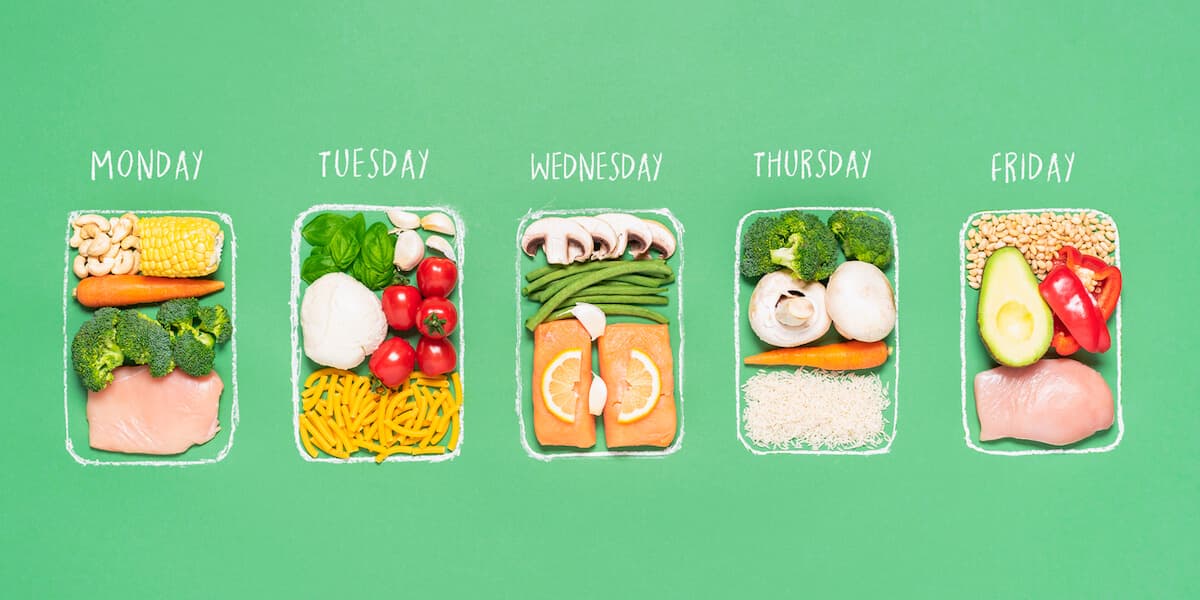
Most solo shoppers end up covering 8-12 meals at home — not 21. Use Instacart's meal planning template to map it out before you shop.
Step 2: Estimate Quantities by Category
Once you know how many meals you're covering, here's a realistic starting point for a typical week:
- Produce: 1–2 delicate items + 2–3 longer-lasting options
- Proteins: 1 to cook (enough for 2–3 meals) + 1 quick option + 1 shelf-stable
- Grains: 2–3 versatile bases like rice, pasta, or tortillas
- Refrigerated staples: 2–3 items you use consistently
- Pantry and freezer backups: 1–2 easy meals
If you're scaling a recipe down, Instacart's recipe converter and serving size calculator can help you shop for exactly what you need.
Step 3: Choose Package Sizes You Can Realistically Finish
Package size is part of the shopping decision, not an afterthought. For a solo shopper, smaller often wins for:
- Leafy greens and fresh herbs
- Berries and soft fruits
- Bakery items
- Prepared or deli foods
- Dairy products
And bigger often makes sense for:
- Rice, oats, and pasta (they last forever)
- Canned goods
- Frozen produce
- Proteins you can portion and freeze
- Bread (freeze half the loaf immediately)
Leave a Meal or Two Uncommitted
Build in one or two meals that aren't assigned to anything. Life happens, plans fall through, you're too tired to cook, or the chicken you planned to use on Wednesday is better on Thursday. That buffer is what separates a plan that works from a cart full of guilt.
Building a Monthly Grocery System
The Two-Tier Restocking System
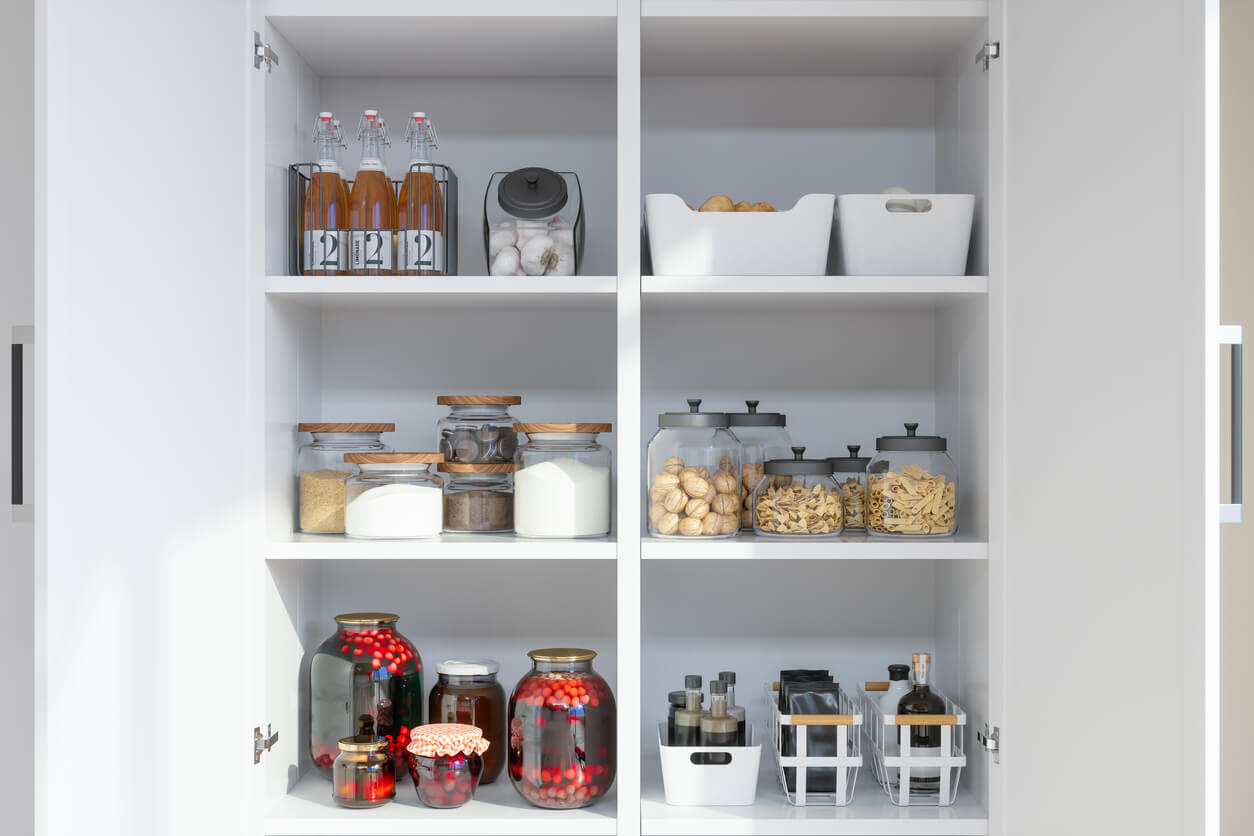
A grocery list for one person for one month isn't a massive single shopping trip, it's a rolling restocking system with two tiers: things you buy frequently, and things you restock less often.
- Buy weekly or as needed: Fresh produce, milk, yogurt, eggs, bread, and fresh proteins
- Restock every few weeks: Rice, pasta, oats, canned goods, cooking oil, condiments, frozen food
- Check before every trip: Scan the fridge and pantry first, partial jars, open grains, and forgotten frozen portions should shape the next list
The goal isn't to shop less, it's to shop smarter. A quick fridge scan before every trip means you're building on what you have instead of starting from scratch every week.
How to Grocery Shop for One: Habits That Actually Help
The food shopping list for one person is only half the equation. How you shop, and how you use what you bought, determines whether this week's groceries become actual meals or actual waste.
Check Your Kitchen Before You Make the List
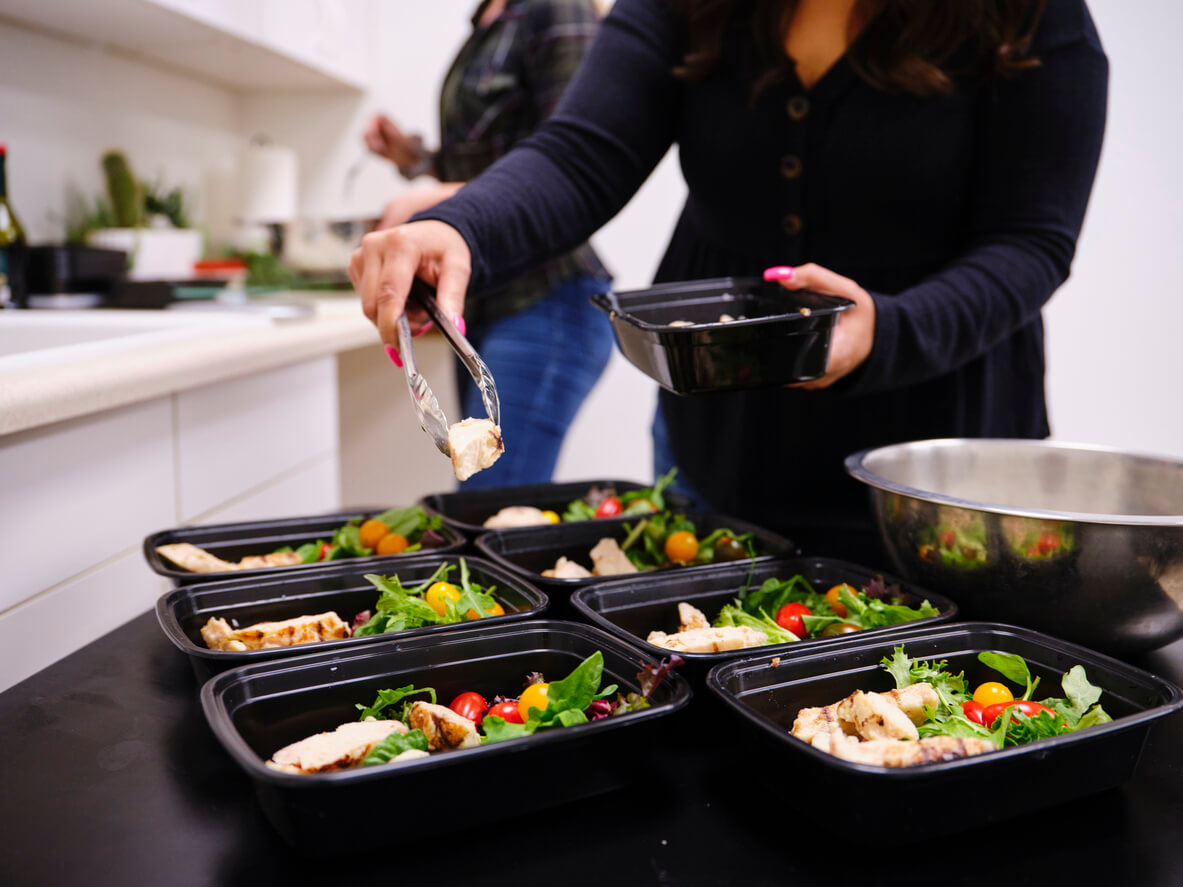
Check the fridge, freezer, and pantry before you write a single item. Look for produce that needs attention, open sauces, frozen proteins, partial grains, and leftovers. Build the new list around those ingredients.
For a more structured process, see Instacart's guide on how to make a grocery list.
Think in Meal Formats, Not Individual Recipes
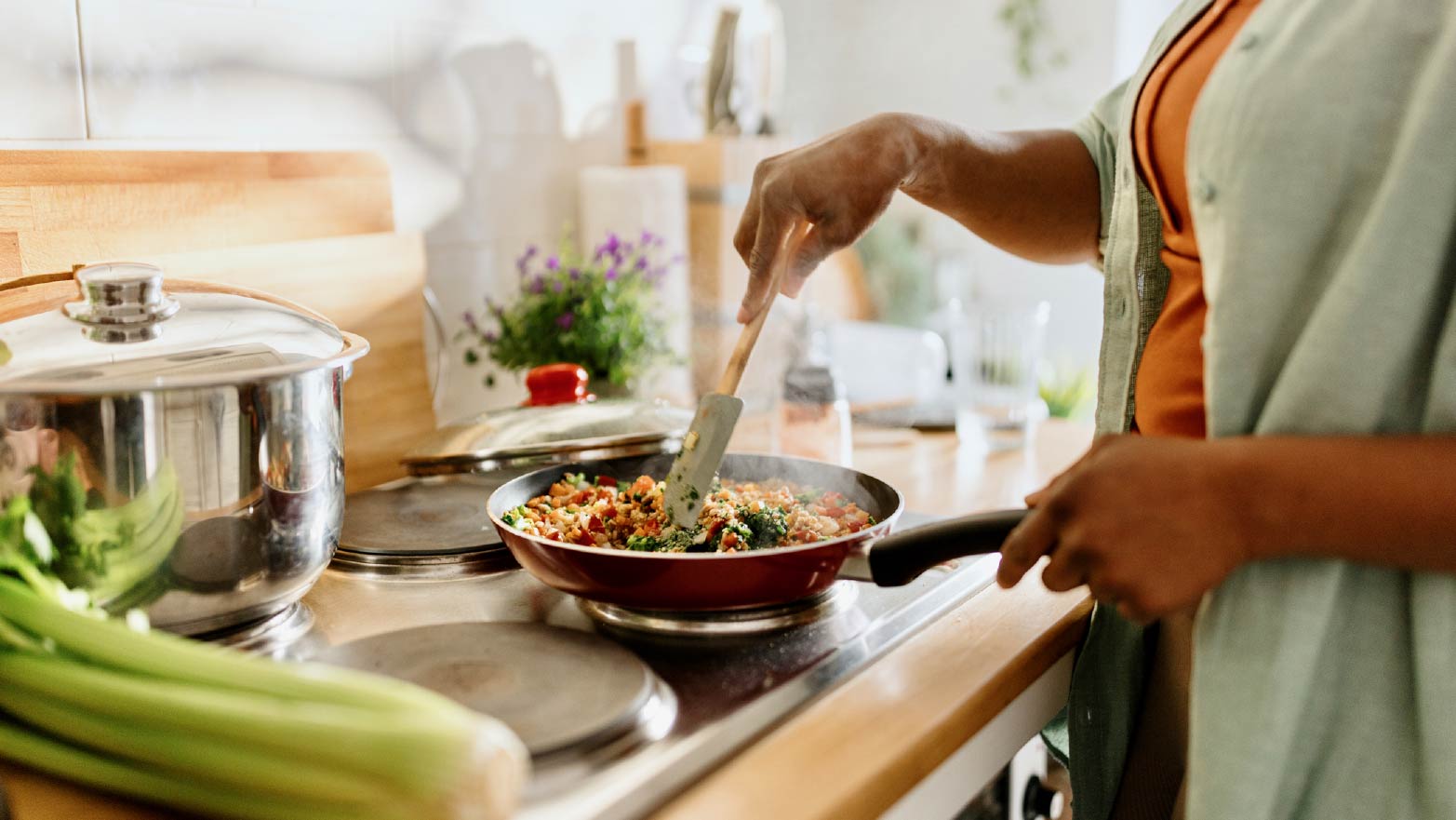
Instead of picking five separate recipes with five completely different ingredient lists, think in formats:
- Grain bowl: any grain + any protein + any vegetable + a sauce
- Wrap or taco: a tortilla + protein + whatever's in the fridge
- Pasta night: pasta + a sauce base + one vegetable + optional protein
- Egg meal: eggs + vegetables + toast, works for breakfast, lunch, or dinner
- Sheet pan: a protein + vegetables + olive oil + seasoning
Meal formats create ingredient overlap on purpose, which is exactly what a grocery shopping list for one needs.
Examples include Rainbow Vegetable Pasta, Sheet Pan Lemon Garlic Chicken and Mexican Chicken Quesadilla. For more planning guidance, see What Is Meal Planning and Why Is It Important? and How to Meal Plan.
Give Every Perishable Two Jobs
Before a short-lived ingredient goes in the cart, make sure it has at least two destinations. Spinach can start in scrambled eggs and finish in pasta. Rotisserie chicken works in a grain bowl Monday and tacos Wednesday. If you can't name a second use, consider buying less — or skipping it this time.
Keep a No-Cook or Low-Effort Backup
Keep one or two meals that require almost no decision making: soup from the pantry, a frozen meal, eggs and toast, or yogurt and granola.
Browse prepared meals or ready-to-cook meals for easy backup options.
Cheap Grocery List for One Person
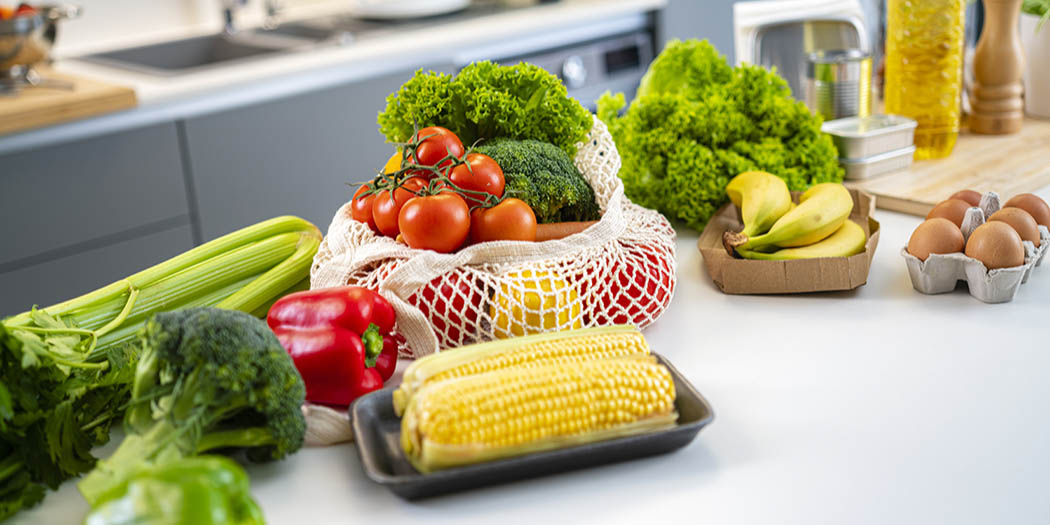
A cheap grocery list for one person isn't about the cheapest item in every category, it's about buying things you'll actually finish. An unused $4 bag of salad is more expensive than a $2 can of beans you actually eat.
Use this as a filter on the master list above: when you’re on a tight week, prioritize these picks over pricier alternatives.
Protein on a Budget
These proteins are inexpensive, versatile, and can stretch across multiple meal formats:
☐ Eggs (1 dozen, under $5, works for breakfast/lunch/dinner)
☐ Dried lentils over canned (much cheaper per serving; make a big batch)
☐ Canned chickpeas or black beans (2–3 cans)
☐ Canned tuna (over fresh fish)
☐ Peanut butter (1 jar, lasts a long time)
☐ Frozen tofu or tempeh (over fresh)
☐ Chicken thighs (not breasts, cheaper cut, more flavor, freeze extras)
Affordable Grains and Bases
☐ Rice (large bag, cheapest per serving of any grain)
☐ Dried pasta (1–2 boxes)
☐ Rolled oats (cheap, and filling)
☐ Flour tortillas (inexpensive and multi-use)
☐ Potatoes (filling, versatile, and very affordable)
Budget Produce Picks
☐ Bananas (usually the cheapest fruit per ounce)
☐ Carrots (long-lasting and inexpensive)
☐ Cabbage (surprisingly versatile, lasts up to 2 weeks)
☐ Frozen vegetables (often cheaper and just as nutritious as fresh)
☐ Canned tomatoes (pantry essential, cheaper than fresh)
Think Cost Per Use, Not Just Unit Price
A bigger pack isn't always better for solo shoppers. Compare cost per usable serving, because a large container you throw half of is more expensive in practice than a smaller one you finish completely.
Fresh vs. Frozen vs. Canned: Choose by Timing
Fresh is great when you know exactly when you'll use it. Frozen gives you flexibility. Canned is your fallback when the week goes sideways. A smart solo grocery haul includes all three.
Avoid One-Use Specialty Ingredients
If a recipe calls for something with no second use in your kitchen, look for a substitute you already have. One-use ingredients are one of the easiest ways a budget leaks, and they're almost always avoidable.
For more savings strategies, see How to Grocery Shop on a Budget and How to Save Money on Groceries.
For a personalized estimate instead of a one-size-fits-all number, use Instacart's Grocery Budget Calculator.
Healthy Grocery List for One
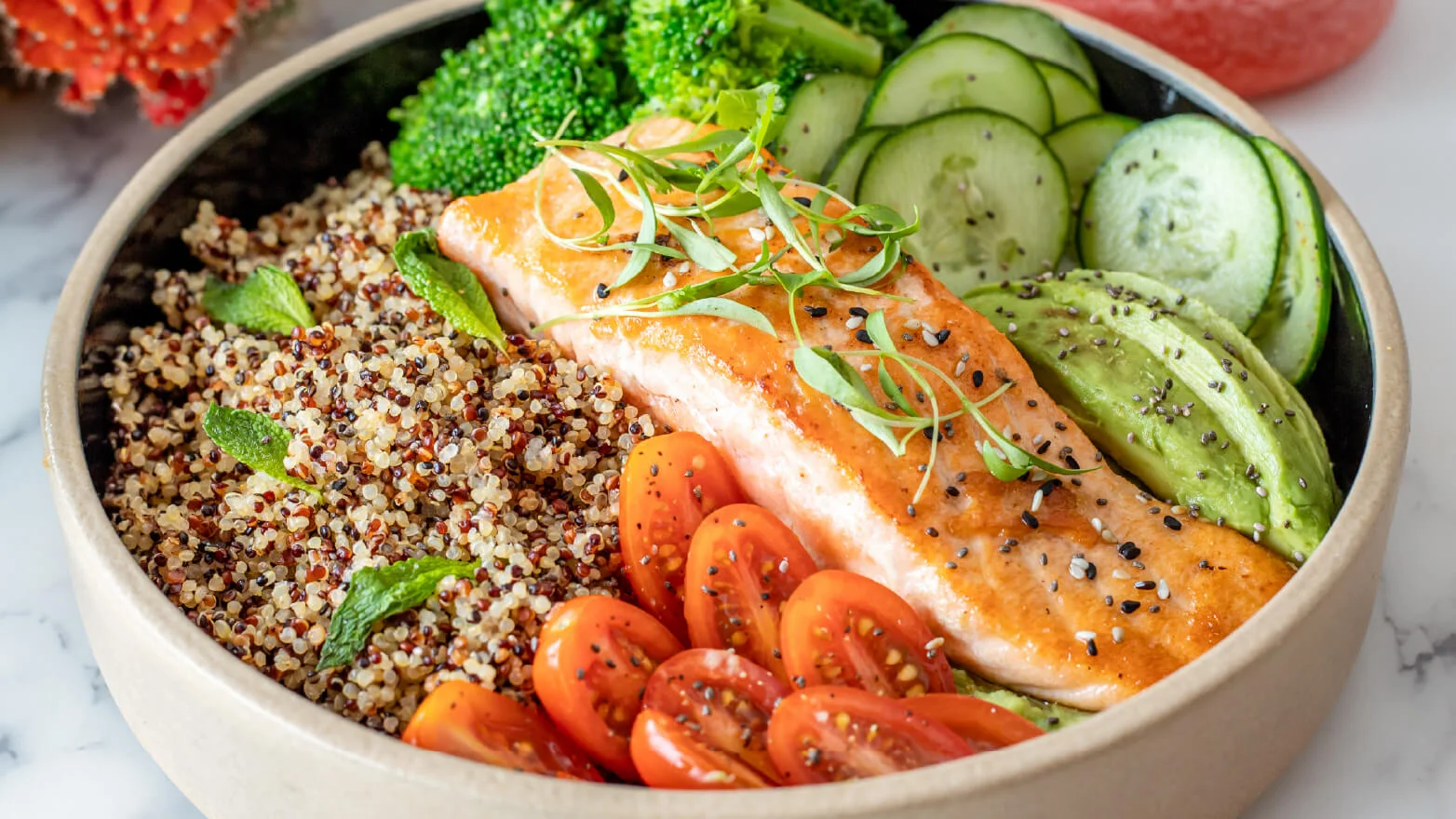
A healthy grocery list for one doesn't require more food or more categories. It just requires a balanced mix you'll realistically eat, and rotating what you buy week to week for variety without waste.
Use this as your checklist: aim to pick at least one item from each category every week.
Color on your plate (fruits and vegetables)
☐ Fresh leafy greens (spinach, kale, or arugula)
☐ Cruciferous vegetable (broccoli, cauliflower, or Brussels sprouts)
☐ A colorful veggie (bell pepper, sweet potato, or beets)
☐ Fresh fruit (whatever is in season)
☐ Frozen vegetables (for flexibility later in the week)
☐ Frozen fruit (for smoothies or oatmeal)
Lean Proteins
☐ Eggs
☐ Chicken, fish, or tofu
☐ Greek yogurt (high protein, works as a snack or sauce base)
☐ Legumes (lentils, chickpeas, or black beans)
☐ Cottage cheese
Whole Grains and Filling Bases
☐ Brown rice or quinoa
☐ Whole grain or sourdough bread
☐ Oats
☐ Whole wheat pasta or legume pasta
Healthy Fats and Flavor
☐ Avocado (1–2)
☐ Olive oil
☐ Nuts or nut butter
☐ Seeds — chia, flax, or pumpkin seeds (optional but easy nutrition boost)
Convenience can absolutely be part of a healthy routine. Frozen vegetables, canned beans, pre-washed greens, and pre-cooked grains make balanced meals easier when you're the only person responsible for cooking every night.
Rotate Weekly for Variety
Instead of buying six different vegetables at once, buy three this week and three different ones next week. Rotate your proteins and grains the same way. You'll eat a wider range of foods over time without having multiple open packages competing for fridge space.
Adapt to Your Dietary Needs
Use the categories above as a framework and swap to fit your preferences, allergies, or dietary goals. A healthy grocery shopping list for one should feel personal; because if the food doesn't fit your life, it won't get eaten.
How to Actually Use What You Bought (and Stop Throwing Food Away)
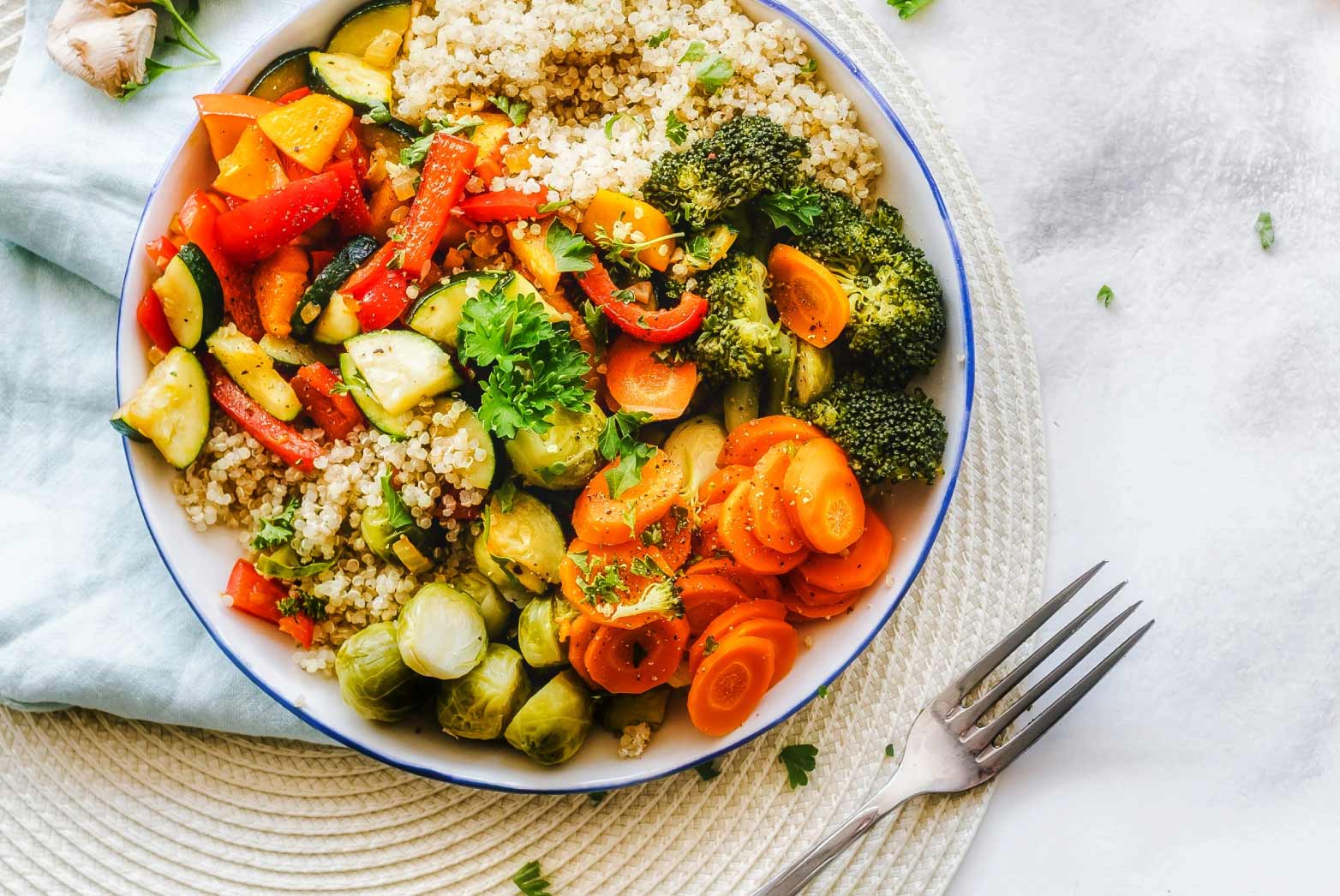
Food waste prevention starts before you even check out. The habits that make the biggest difference are small decisions about timing, visibility, and second uses.
Use Perishables in Order of Most-Urgent First
When you unpack groceries, mentally sort everything into three zones: use now, use later, and anytime. Put the most perishable items at eye level in the fridge, because if you see them, you'll use them.
Freeze Immediately, Not Eventually
Decide on the spot whether you'll realistically use the whole package this week. If the answer is no, freeze half immediately. Waiting until something is almost bad to freeze it means you've already lost half the value.
Create a "Use First" Zone in the Fridge
Keep a dedicated shelf or container for things that need to be used soon: half-used produce, open containers, ripening fruit, and leftovers. A visible use-first zone turns "I forgot we had that" into a much less frequent sentence.
Stop Buying for an Aspirational Week
One of the most expensive solo shopping habits is buying for the version of yourself who meal preps every Sunday and eats a salad every day for lunch. If salad greens repeatedly go untouched, treat that as data and buy vegetables in a form you actually eat.
If you still end up with odds and ends, Instacart's Leftover Recipe Generator can help you find another use for them. A flexible recipe like Fried Rice Recipe Easy Peasy is also useful for small amounts of rice, eggs and vegetables.
How to Adjust This List for Your Routine
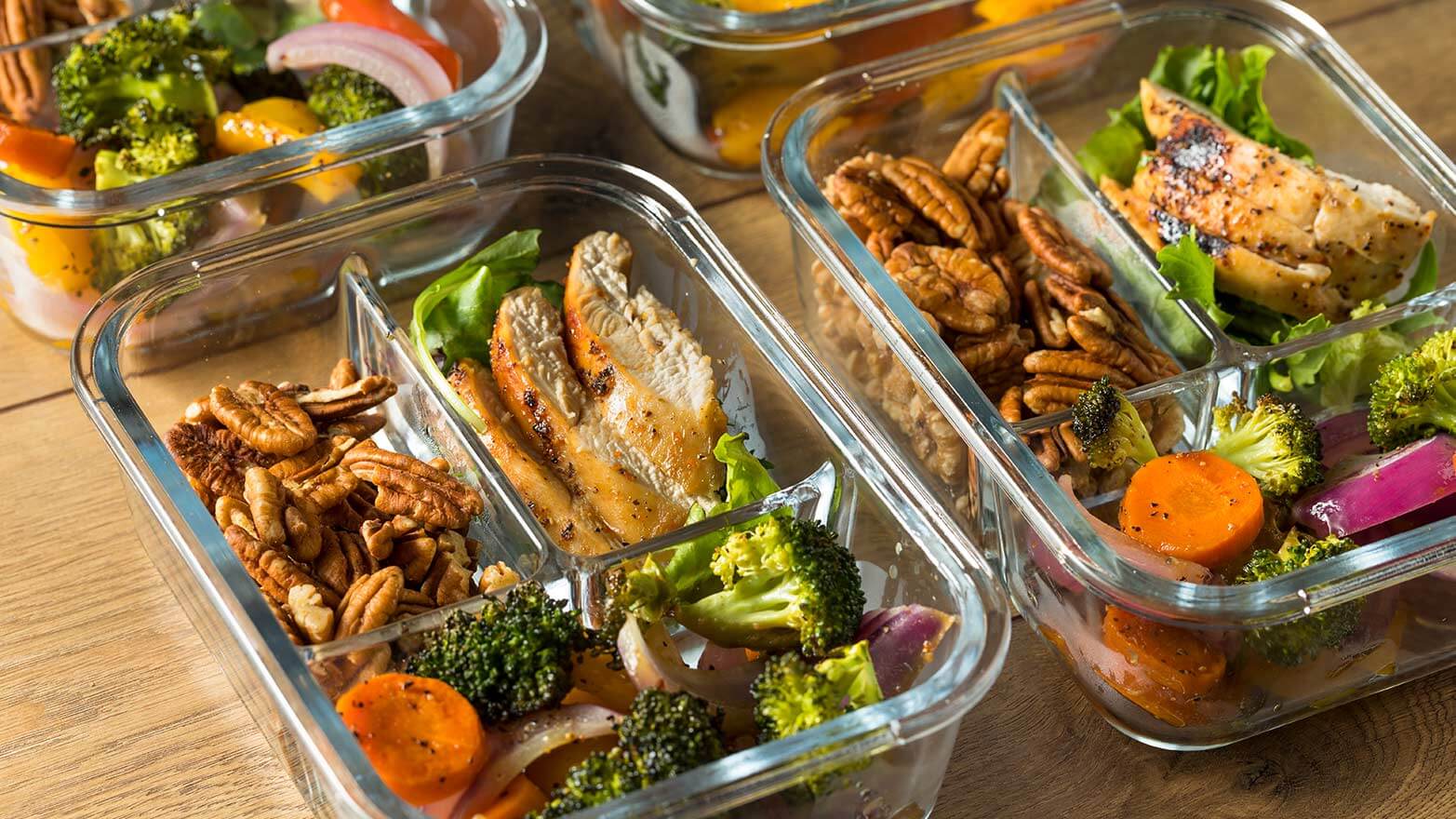
There's no single universal grocery list, but the same structure (fresh + durable + backups) works for almost any routine. Here's how to adjust the ratio:
If You Cook Most Meals at Home
Increase produce, proteins, and breakfast and lunch staples. Favor ingredients that recombine easily, so you're not shopping for an entirely different set of ingredients every week.
If You Cook Only a Few Times a Week
Buy smaller quantities of fresh food, lean on longer-lasting produce, and stock more frozen and shelf-stable options. Let the list cover the meals you truly expect to make.
If You Rarely Cook
Focus on things you can assemble without cooking: wrap ingredients, yogurt, fruit, eggs, soup, frozen meals, and pre-cooked grains. A minimal grocery run is still a grocery run—it just looks different.
If You Bring Lunch or Breakfast to Work
Build those meals into the main grocery list instead of treating them as extras. Oats, yogurt, fruit, wraps, and grain bowls all travel and portion well.
If You Have a Small Kitchen or Limited Storage
Prioritize smaller packages, produce you can buy by the piece, ingredients that do multiple jobs, and stackable pantry staples. Avoid stocking up just because something is on sale. If it doesn't fit, it's not a deal.
Frequently Asked Questions
How often should a single person grocery shop?
Most solo shoppers find a weekly trip works well for fresh food, while pantry and freezer staples need replenishing every few weeks. If you're regularly throwing things away, try shopping more frequently but buying less per trip. Learn more about how to grocery shop for one.
What is a realistic weekly grocery budget for one person?
It varies by city, diet, and how often you cook at home — but a typical range is $50–$100 per week for one person who cooks most meals. Use Instacart's Grocery Budget Calculator for a personalized estimate.
What groceries should one person always keep at home?
Think of it as a rescue kit: one flexible grain (rice or pasta), one reliable protein (eggs or canned beans), frozen vegetables, a few pantry basics (oil, canned tomatoes, broth), and one fast backup meal. That's enough to feed yourself on almost any night, no matter what the week throws at you.
How do I avoid wasting food when shopping for one?
Match fresh food to meals you've already planned, buy perishables in smaller amounts, freeze proteins immediately if you won't use them this week, and keep a visible use-first zone in the fridge. If you still have leftovers you're not sure what to do with, try Instacart's leftover recipe generator.
Ready to Fill Your Cart?
Start with the categories most relevant to your week. Adjust quantities for the meals you're actually cooking, and let your pantry and freezer carry the rest. Browse groceries by category, choose the package sizes that make sense for one person, and get everything delivered in as fast as 30 minutes.