


Habanero peppers are famous for heat, but heat is only part of the story. Underneath the burn, habaneros have a fruity, almost tropical flavor that makes them useful in salsas, marinades, hot sauces and dishes that need both brightness and spice.
What is a habanero pepper?
A habanero pepper is a small, bright orange (but sometimes red) chili pepper that can spice up or sweeten many dishes. Habaneros are part of the Capsicum chinense species and are much hotter than everyday jalapeños or serranos.
Most habaneros are short, wrinkled and lantern-shaped. Their flesh is thin, which helps them blend easily into sauces and salsas.
How hot is a habanero pepper?
A typical habanero pepper measures about 100,000 to 350,000 Scoville Heat Units (SHU). That puts it well above a jalapeño, which is usually measured in the low thousands of SHU, but below superhot peppers such as many ghost peppers.
Individual peppers can vary. Variety, growing conditions and ripeness all influence perceived heat, so one habanero may feel noticeably hotter than another.
What are habanero Scoville units and SHU?
The Scoville scale estimates the concentration of capsaicinoids, the compounds responsible for chile heat. SHU stands for Scoville Heat Units. So when you see 'habanero Scoville,' 'habanero pepper Scoville' or 'habanero SHU,' those phrases refer to the same heat-rating system.
What colors are habanero peppers?
Orange habaneros are the version many shoppers recognize, but habanero colors can also include red, yellow, green and even chocolate-brown depending on the variety and stage of ripeness.
Orange habanero
Orange habaneros are common at grocery stores and are typically fully ripe, with a fruity aroma and intense heat.
Red habanero
Red habaneros may be a red-fruited variety or peppers that ripen to a deeper color. Red does not automatically mean a pepper is hotter than an orange one; variety and growing conditions matter more than color alone.
What do habanero peppers taste like?
Habaneros taste fruity, citrusy and slightly floral before the heat builds. That combination is why they work so well with mango, pineapple, citrus, tomatoes, onions and vinegar.
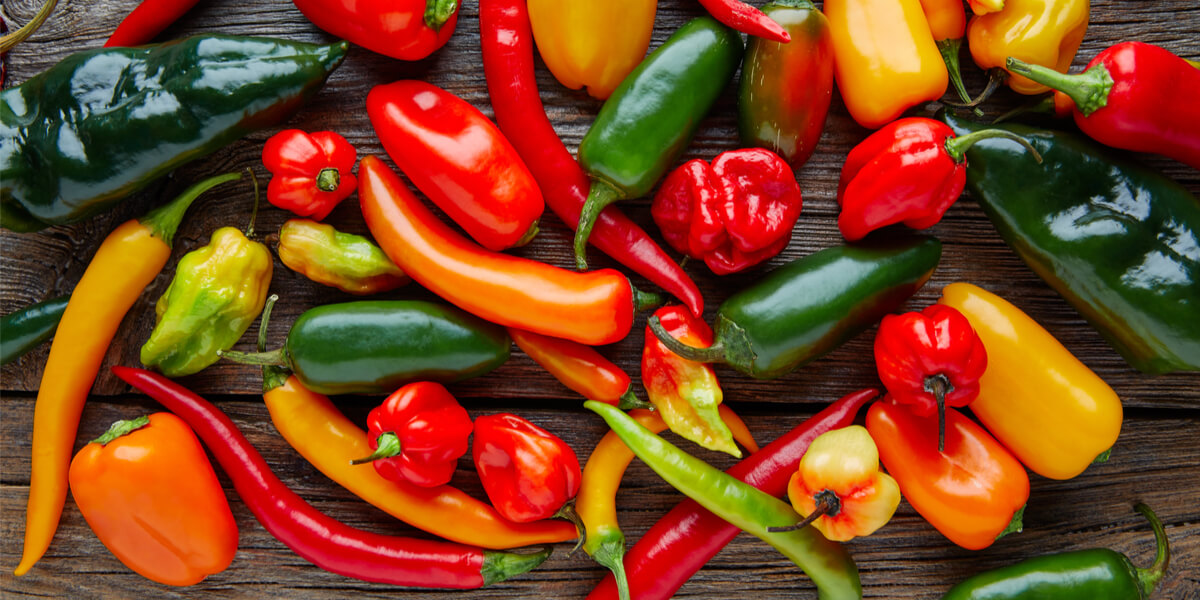
How do habaneros compare with other hot peppers?
Scotch bonnet vs. habanero
People often confuse habanero peppers with the Scotch bonnet pepper because they look somewhat similar and have similar heat levels. Both are very hot and fruity, but Scotch bonnets are especially associated with Caribbean cooking and can taste a little sweeter or more tropical depending on the variety.
Habanero vs. jalapeño
A habanero is dramatically hotter than a jalapeño. Jalapeños are often used when a dish needs fresh chile flavor with moderate heat; habaneros are better when you want a serious kick. If substituting habanero for jalapeño, start with a much smaller amount.
Serrano vs. habanero
Serrano peppers are hotter than jalapeños but still far milder than habaneros. Serranos also have thicker, crisper flesh, while habaneros are thinner-walled and fruitier.
Ghost pepper vs. habanero
Ghost peppers are generally much hotter than habaneros. If a recipe calls for ghost pepper and you want to reduce the heat, habanero may be a more manageable substitute while still delivering significant spice.
How to use and handle habanero peppers
Use habaneros sparingly in salsa, hot sauce, marinades, soups, chili, pickles, and fruit-based condiments. You can use them raw or cooked, but the heat does not simply disappear with cooking.
How to handle habaneros safely
Capsaicin can irritate skin and eyes. Wear food-safe gloves when cutting several habaneros, avoid touching your face, wash knives and cutting boards well and wash your hands thoroughly after handling. If you want less heat, remove the inner white ribs and seeds, where much of the capsaicin-containing tissue is concentrated.
Habanero pepper nutrition
Like other fresh chiles, habaneros are low in calories and provide vitamin C along with smaller amounts of other vitamins and minerals. Because habaneros are usually eaten in small quantities, their biggest contribution to a dish is flavor and heat rather than serving size.
When are habanero peppers in season?
Habaneros are warm-weather peppers, with peak fresh availability generally running from late summer into fall. Grocery stores may carry them year-round depending on local supply.
How to pick habanero peppers
Choose peppers that feel firm and relatively heavy for their size.
The skin of the peppers should be smooth, shiny, and untarnished. Skip peppers with soft spots, deep wrinkles, mold, or leaking areas. A ripe habanero should smell fresh and peppery rather than sour.
How to store habanero peppers
Store fresh habaneros dry and unwashed in the refrigerator, ideally in a produce bag or container that allows a little airflow. Use them within about a week for the best texture.
How to preserve habanero peppers
For longer storage, habaneros can be dried, pickled or frozen. Drying concentrates their flavor and heat, while pickling adds acidity and makes the peppers easy to use in small amounts.
Can you freeze habanero peppers?
Yes. Freeze habaneros whole or sliced in an airtight freezer bag. They will soften after thawing, so frozen habaneros are best for cooked dishes, sauces and salsas rather than applications where you want a crisp texture.
How to tell if habanero peppers are bad
Discard habaneros that are slimy, leaking, moldy, deeply sunken or sour-smelling. Slight wrinkling may simply mean the pepper is losing moisture, but use it soon if there are no other signs of spoilage.
What is a good habanero pepper substitute?
For similar fruitiness and heat, Scotch bonnet is the closest habanero pepper substitute. Serrano and jalapeño peppers are much milder but easier to find and work well when you want fresh chile flavor without as much heat. If you substitute a hotter pepper such as ghost pepper, use far less.
Shop habanero peppers with Instacart
Habanero peppers bring serious heat along with a fruity, citrusy flavor that works especially well in salsas, sauces, marinades, and spicy condiments. Start with a small amount, handle the peppers carefully, and adjust the heat to fit the dish you are making.
When you are ready to turn up the heat, browse habanero peppers on Instacart to see what participating retailers have available for delivery or pickup in your area.


