


Iceberg lettuce is known for its tightly packed head, pale-green leaves and unmistakable crunch. Its mild flavor makes it useful in everything from wedge salads and burgers to tacos, wraps, and shredded toppings.
This guide covers what iceberg lettuce is, iceberg lettuce nutrition and calories, how it compares with romaine and cabbage, and how to wash, cut, shred and store it.
What is iceberg lettuce?
The iceberg lettuce—or crisphead lettuce—is a salad staple.
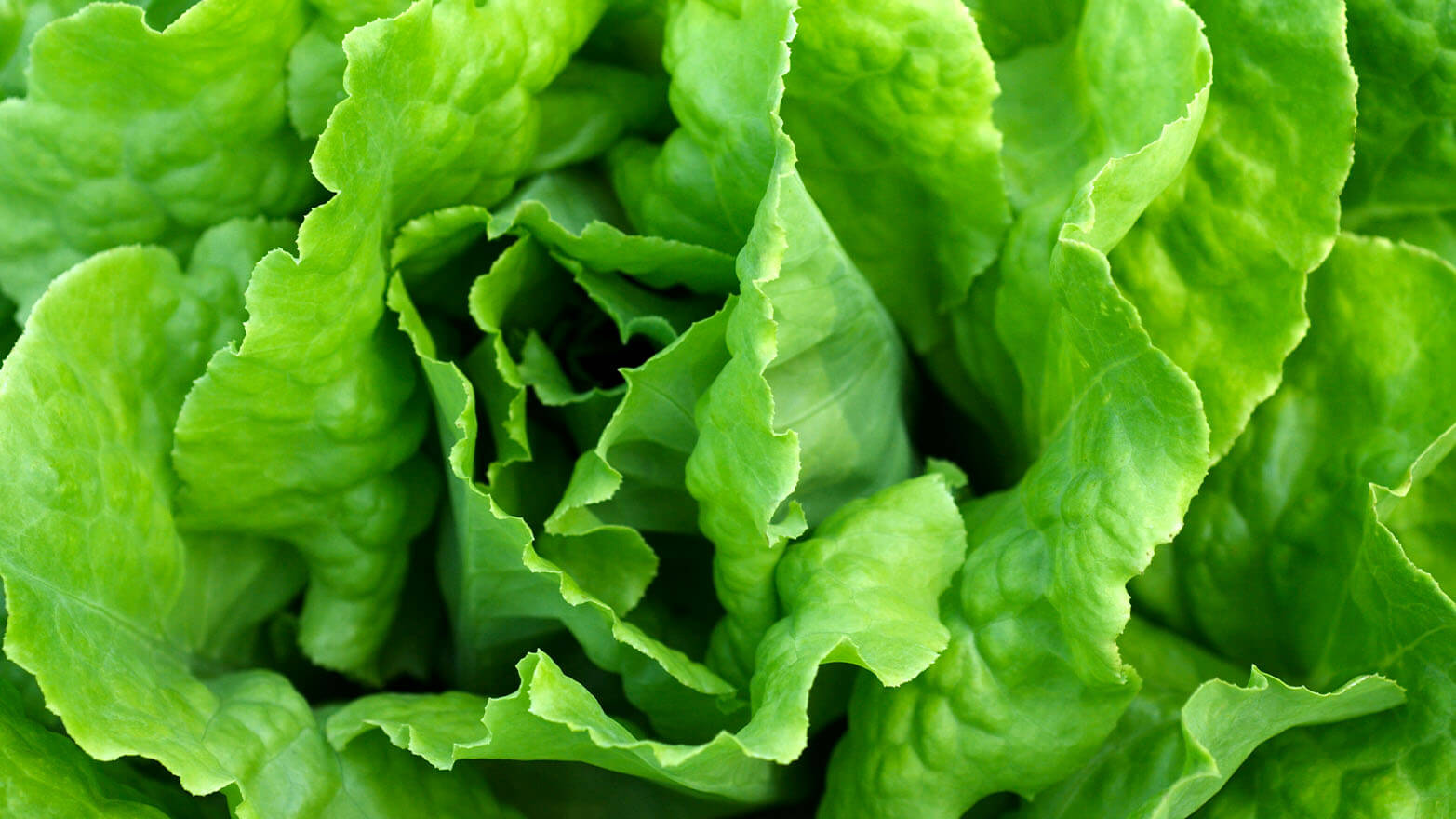
Iceberg is a type of head lettuce that forms a dense, round head with crisp outer leaves and paler leaves toward the center. It has a high water content, a clean crunch and a mild flavor that works well when you want texture without a strong leafy-green taste.
Thanks to its crispness, this leafy green makes a frequent appearance in sandwiches, burritos, tacos, and lettuce wraps. The iceberg lettuce’s neutral flavor with a slightly sweet finish makes it a widely popular choice for salads, sandwiches, burgers, and wraps.
Where did iceberg lettuce originate from?
W. Atlee Burpee & Co. introduced a lettuce variety called “Iceberg” in 1894. The crisphead type became prized for forming firm heads that held up better during handling and transport.
The name later became closely associated with the practice of packing lettuce in crushed ice for long-distance shipping before modern refrigerated transportation was widespread. That durability helped crisphead lettuce become a major commercial salad green in the United States.
Iceberg lettuce nutrition and calories
Iceberg lettuce is mostly water and is low in calories. USDA food-composition data for raw iceberg lettuce lists about 14 calories and about 1.2 grams of fiber per 100 grams. It also provides vitamin K, folate and smaller amounts of several other vitamins and minerals.
If you are looking up iceberg lettuce calories or wondering how many calories are in iceberg lettuce, the exact number depends on your serving size. A larger salad bowl will contain more than a few leaves, while toppings and dressing can contribute far more calories than the lettuce itself.
Is iceberg lettuce healthy?
Yes. Iceberg lettuce can be part of a balanced eating pattern. Its high water content and low calorie density make it an easy way to add volume and crunch to meals, and it contributes some fiber and micronutrients. It does not need to outperform every darker leafy green to be a useful vegetable.
Iceberg lettuce vs romaine
Iceberg lettuce vs romaine is mostly a tradeoff between texture, flavor and nutrient concentration. Iceberg is paler, crunchier and milder. Romaine has longer, darker leaves, a more pronounced flavor and generally provides more of several vitamins and minerals per serving. Both can work in salads, wraps and sandwiches depending on the texture you want.
Iceberg lettuce vs cabbage
Iceberg lettuce and cabbage can look similar from the outside because both form round heads, but they are different vegetables. Iceberg has thinner, more delicate leaves and is usually eaten raw, while cabbage has denser leaves that stand up well to cooking, braising, fermenting and slaws. They are not always interchangeable when a recipe depends on texture.
How is iceberg lettuce grown?
Like any other lettuce varieties, iceberg lettuce does best in cool, frost-free conditions—it bolts rather quickly in high temperatures. As such, it’s typically grown in spring and fall.
Iceberg is a crisphead lettuce, so growers give each plant enough space to form a dense head. Lettuce can be direct-seeded or transplanted, and heat can encourage bolting and bitterness. Harvest timing depends on the variety and growing conditions, but the head is ready when it is firm and well formed.
When is iceberg lettuce in season?
Although iceberg lettuce is normally available in grocery stores throughout the year, its best local growing windows tend to be in cooler weather. Commercial production and refrigerated distribution make it widely available beyond a single spring or fall season.
To check what is available near you, browse fresh iceberg lettuce on Instacart.
What should I look for when buying iceberg lettuce?
When buying iceberg lettuce at the grocery store, avoid blemished lettuce heads and an overly soft texture.
Look for a head that feels firm and relatively heavy for its size, with crisp outer leaves and no slimy patches, extensive browning or unpleasant odor. Some pale leaves near the center are normal for iceberg lettuce and are not a sign that the head is bad.
You can easily shop for iceberg lettuce via Instacart. Browse iceberg lettuce and compare what participating retailers have available.
How to wash iceberg lettuce
Remove any damaged or wilted outer leaves first. Separate the leaves you plan to use and rinse them thoroughly under cool running water, gently rubbing away visible dirt. Do not wash lettuce with soap, detergent or bleach.
Dry the leaves with a clean towel or salad spinner before cutting or storing them. If a packaged lettuce product is labeled pre-washed or ready-to-eat, follow the package directions.
How to cut iceberg lettuce
For wedges, remove damaged outer leaves, rinse and dry the head, then cut it in half through the core. Cut each half again to create quarters, and trim away the tough core from each wedge. Smaller wedges can be cut again if needed.
For chopped lettuce, quarter the head, remove the core and slice the leaves crosswise into the size you want for salads, burgers, tacos or wraps.
How to shred iceberg lettuce
To make shredded iceberg lettuce, quarter the head and remove the core. Place one section cut-side down and slice it crosswise into thin ribbons with a sharp knife. For very fine shreds, make the slices narrower rather than repeatedly chopping the lettuce after cutting, which can bruise the leaves.
How to store iceberg lettuce
To extend the longevity of iceberg lettuce, learn how to store it the proper way.
For a whole head, remove damaged outer leaves but leave the rest of the lettuce unwashed until you are ready to use it. Wrap the head loosely in a dry paper towel and place it in a bag or container in the crisper drawer. Avoid trapping excess moisture against the leaves.
For cut or washed lettuce, dry the leaves thoroughly, place them in a container or food-safe bag with a dry paper towel, and refrigerate promptly. Replace the towel if it becomes very damp.
How to keep iceberg lettuce fresh
Cold temperature and moisture control are the biggest factors. Keep lettuce refrigerated at 40°F or below, dry off excess surface water and avoid crushing the leaves. Store it away from raw meat, poultry and seafood to reduce cross-contamination risk.
Can you freeze iceberg lettuce?
You can freeze iceberg lettuce, but freezing damages its crisp cell structure, so thawed leaves become limp and watery. That makes frozen iceberg a poor choice for salads, sandwiches or lettuce wraps. If you do freeze it, plan to use it only where texture does not matter, such as a blended or cooked preparation.
How to tell if iceberg lettuce is bad
If your iceberg lettuce feels mushy and/or smells unpleasant, it’s time to chuck it into the bin.
If only one or two outer leaves are wilted or lightly browned, remove them and check the rest of the head. Discard lettuce with widespread sliminess, mold, extensive decay or a strong off odor.
What can I substitute for iceberg lettuce?
If you’re out of iceberg lettuce, don’t fret. There are countless other alternatives for your salads and burgers:
- Romaine lettuce
- Butterhead lettuce
- Green leaf lettuce
- Arugula
- Kale
- Spinach
- Watercress
- Radicchio
- Endive
- Mixed greens
Choose the substitute based on the job: romaine or green leaf lettuce gives you a similar fresh crunch, while cabbage is sturdier and better for slaws or cooked dishes.
Shop iceberg lettuce with Instacart
Iceberg lettuce may be mild, but its crunch makes it a versatile staple for salads, sandwiches, burgers, tacos and wraps.


