Lavender is best known for its fragrance, but culinary lavender can also bring a delicate floral note to baked goods, drinks and savory dishes. The key is choosing lavender that is intended for food and using it with a light hand.
What is lavender?
Lavender is a flowering herb in the mint family. It is grown for fragrant flowers and aromatic oils, and different species are used for gardening, fragrance and culinary purposes.
It can be found with herbs in grocery stores or in the floral department with other edible blooms. For cooking, look specifically for lavender labeled culinary, edible, or food-grade.
Is lavender edible?
Lavender is edible and can be added to sweets and beverages like tea and cocktails. However, not every lavender plant sold for decoration should be treated as food. Use culinary lavender or edible lavender from a food source so you know it was grown and handled for consumption.
What parts of lavender can you eat?
Culinary lavender buds and flowers are the parts most commonly used in food. Tender leaves can also flavor certain dishes, while woody stems are usually used more like an aromatic skewer or infusion tool than something you would chew.
What does lavender taste like?
Lavender tastes floral, herbal, and lightly minty, with a subtle peppery or rosemary-like edge. Used sparingly, it can taste fresh and aromatic. Use too much and the flavor can quickly become bitter, perfumey or soapy.
What types of lavender are best for cooking?
For cooking, English lavender is the variety most often preferred because its flavor is sweet and floral without as much camphor-like intensity. The label 'culinary lavender' is more useful than flower color alone because it tells you the product is intended for food.
English lavender for cooking
English lavender, or Lavandula angustifolia, is widely used for culinary lavender buds. It works well in sugar, shortbread, syrups, tea blends, lemonade, cakes, and savory herb mixtures.
English lavender vs. French lavender
English and French lavender can look similar, but they differ in aroma and culinary appeal. French lavender often has a stronger, more camphor-like fragrance, so English lavender is usually the more versatile choice for desserts and delicate dishes.
How to use culinary lavender
Start with a small amount. Dried lavender buds are potent, so it is easier to add more than to fix a dish that tastes like perfume.
- Infuse lavender buds into warm cream, milk or simple syrup, then strain them out.
- Grind a small amount with sugar for cookies, cakes, shortbread or whipped cream.
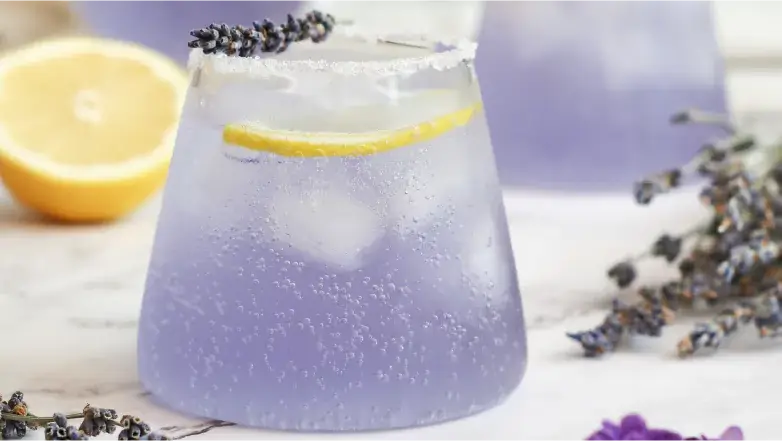
- Add a pinch to lemonade, tea blends or fruit compotes.
- Pair lavender with lemon, berries, honey, vanilla, rosemary or thyme.
- Use it sparingly in savory rubs or marinades for poultry and lamb.
When is lavender in season?
Lavender season depends on the variety and climate, but many plants bloom from late spring through summer. Fresh lavender is most useful when the flower buds are colorful and aromatic, while dried lavender is available throughout the year.
How to pick lavender
Fresh lavender is typically sold in bunches. Look for bunches that are vibrant and full of blooms. For culinary use, choose bunches or packages clearly labeled for food. Avoid flowers with browning, mold or a stale, musty smell.
How to dry lavender
Dry lavender when you want to preserve the buds for later cooking or fragrance. Harvest or buy stems while the buds still have good color and aroma.
While drying the blooms, people often hang the bundles upside down. Make small bundles and hang them in a dry, dark, well-ventilated place. Once the flowers feel crisp, gently strip the dried lavender buds from the stems.
How to store dried lavender
Store dried lavender buds in an airtight container away from heat, humidity and direct light. Keeping the container dry is especially important for culinary lavender.
How long does dried lavender last?
Dried lavender can remain usable for a long time if it stays completely dry, but its aroma fades gradually. For the best flavor in cooking, use it while the scent is still clean and pronounced. When the scent starts to fade, it is no longer potent.
What is the nutritional value of lavender?
Lavender is usually used in very small amounts, so it is not typically eaten in quantities large enough to be a meaningful source of vitamins or minerals. Its role in cooking is primarily flavor and aroma.
What can I substitute for lavender?
For savory dishes, rosemary or lemon thyme can provide an herbal, aromatic quality without trying to imitate lavender exactly. In desserts, lemon zest, vanilla, or a small amount of another food-safe floral ingredient can replace some of lavender's fragrant character.
Shop culinary lavender with Instacart
Culinary lavender can add a delicate floral note to baked goods, drinks, syrups, and savory dishes when used in small amounts. Look for lavender specifically labeled for culinary or edible use, then experiment with fresh or dried lavender buds depending on what you are making.
When you are ready to experiment, browse lavender on Instacart to see what participating retailers have available for delivery or pickup in your area.