Halfway through a recipe and realize the egg carton is empty? Or baking for someone who doesn't eat eggs? The right replacement depends on what the egg is doing in the recipe—binding ingredients, adding moisture, creating lift, or helping the batter hold its shape.
This guide compares 15 egg substitutes for baking, from flaxseed and applesauce to yogurt and aquafaba. Use the chart below to find the right amount, see which recipes each option suits best, and understand where the swap may change the final texture.
Quick egg substitute chart
Use these amounts as starting points for replacing one large egg. For recipes that call for three or more eggs, choose a recipe specifically without eggs whenever possible.
Substitute | Amount for 1 egg | Best for | Watch for |
Ground flaxseed | 1 tbsp ground flax + 3 tbsp water | Cookies, muffins, quick breads, brownies | Adds mild nuttiness; limited lift |
Chia seeds | 1 tbsp chia + 3 tbsp water | Cookies, muffins, brownies, breads | Visible seeds and chewy texture |
Applesauce | 1/4 cup unsweetened | Cakes, muffins, brownies, quick breads | Can make bakes denser or cakier |
Mashed banana | 1/4 cup | Muffins, pancakes, brownies, quick breads | Adds banana flavor and sweetness |
Plain yogurt | 1/4 cup | Cakes, muffins, breads | Adds tang; use plant-based yogurt for vegan baking |
Buttermilk | 1/4 cup | Cakes, muffins, quick breads | Adds liquid; best when replacing one egg |
Arrowroot powder | 2 tbsp + 3 tbsp water | Cookies, snack cakes, quick breads | Can be dry; less reliable for lift |
Sweetened condensed milk | 1/4 cup | Cookies, cakes, sweet pies | Adds significant sweetness; not vegan unless plant-based |
Silken tofu | 1/4 cup blended | Brownies, dense cakes, quick breads | Can make bakes dense |
Aquafaba | 3 tbsp | Meringues, mousse, light batters | Performance varies by recipe |
Water, oil + baking powder | 2 tbsp water + 1 tsp oil + 2 tsp baking powder | Cakes, muffins, pancakes | Best for one egg; may not provide enough structure |
Carbonated water | 1/4 cup | Cakes, cupcakes, pancakes | Use immediately before bubbles dissipate |
Pumpkin purée | 1/4 cup | Muffins, quick breads, snack cakes | Adds color, moisture and pumpkin flavor |
Baking soda + vinegar | 1 tsp baking soda + 1 tbsp vinegar | Cakes, cupcakes, muffins | Adds lift but little binding |
Commercial egg replacer | Follow package directions | Cookies, muffins, cakes and mixed baking uses | Results and allergens vary by brand |
Use these amounts as starting points for replacing one large egg. For recipes that call for three or more eggs, choose a recipe developed specifically without eggs whenever possible.
What do eggs do in baking?
Eggs do more than one job in a recipe, which is why a swap that works well in brownies may not give a sponge cake the same light texture.
Binding: Eggs keep the ingredients from crumbling or separating. Flaxseed, chia seeds, starches and silken tofu can help do the same.
Moisture and tenderness: Applesauce, banana, pumpkin purée, yogurt and buttermilk add liquid and soften the crumb.
Structure and lift: Whipped eggs add air to a batter, helping cakes rise and stay light. Aquafaba, carbonated water and chemical leaveners can help, but results depend heavily on the recipe.
Emulsification: Eggs help ingredients like butter, oil and water blend into a smooth batter instead of separating. Commercial replacers or aquafaba may work better than fruit purées when emulsification matters.
15 best substitutes for eggs in baking
1. Ground flaxseed
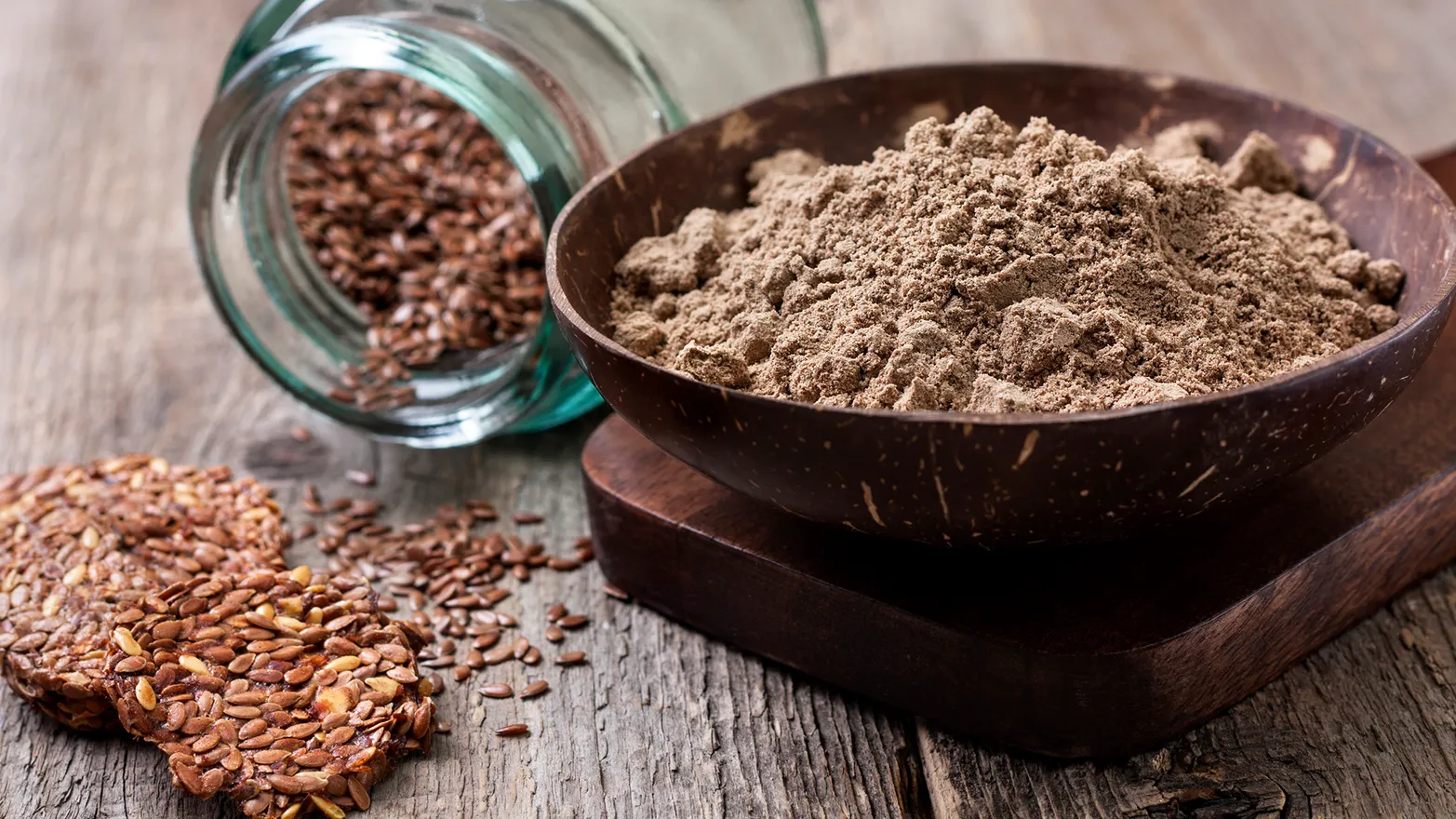
Ground flaxseed, also known as flax or flaxseed meal, is a fantastic plant-based substitute for eggs. When mixed with water, it creates a gel-like texture that works similarly to eggs in binding ingredients together, adding moisture and even a bit of fluff to your baked goods. Flaxseed is a favorite among vegan bakers and those looking for a nutrient boost, as it’s packed with fiber, omega-3 fatty acids and antioxidants.
How to prepare: To make a “flax egg,” mix 1 tablespoon of ground flaxseed with 3 tablespoons of water. Let it sit for about five minutes until it thickens to a gooey, egg-like consistency.
How much to use: One flax egg (1 tablespoon flaxseed + 3 tablespoons water) equals one large egg. Use it in recipes for cookies, muffins, pancakes and other baked goods where binding is key.
Best for: Cookies, brownies, muffins and quick breads.
Watch for: Flax eggs do not create much lift, so they are less suitable for airy cakes or recipes that rely on whipped eggs.
2. Chia seeds

When mixed with water, chia seeds form a thick gel that helps batters and doughs hold together. They suit brownies, cookies, muffins and denser quick breads, where a slightly chewy texture will not feel out of place.
How to prepare: To make a “chia egg,” combine 1 tablespoon of chia seeds with 3 tablespoons of water. Let the mixture sit for about five to 10 minutes or until it thickens to a jelly-like consistency.
How much to use: One chia egg (1 tablespoon chia seeds + 3 tablespoons water) equals one large egg. This substitution works especially well as an egg substitute for baking brownies or cookies, adding a subtle nutty flavor and a little extra texture.
Best for: Brownies, cookies, muffins and hearty quick breads.
Watch for: Whole chia seeds remain visible and can add texture. Grind them first when you want a smoother appearance..
3. Applesauce
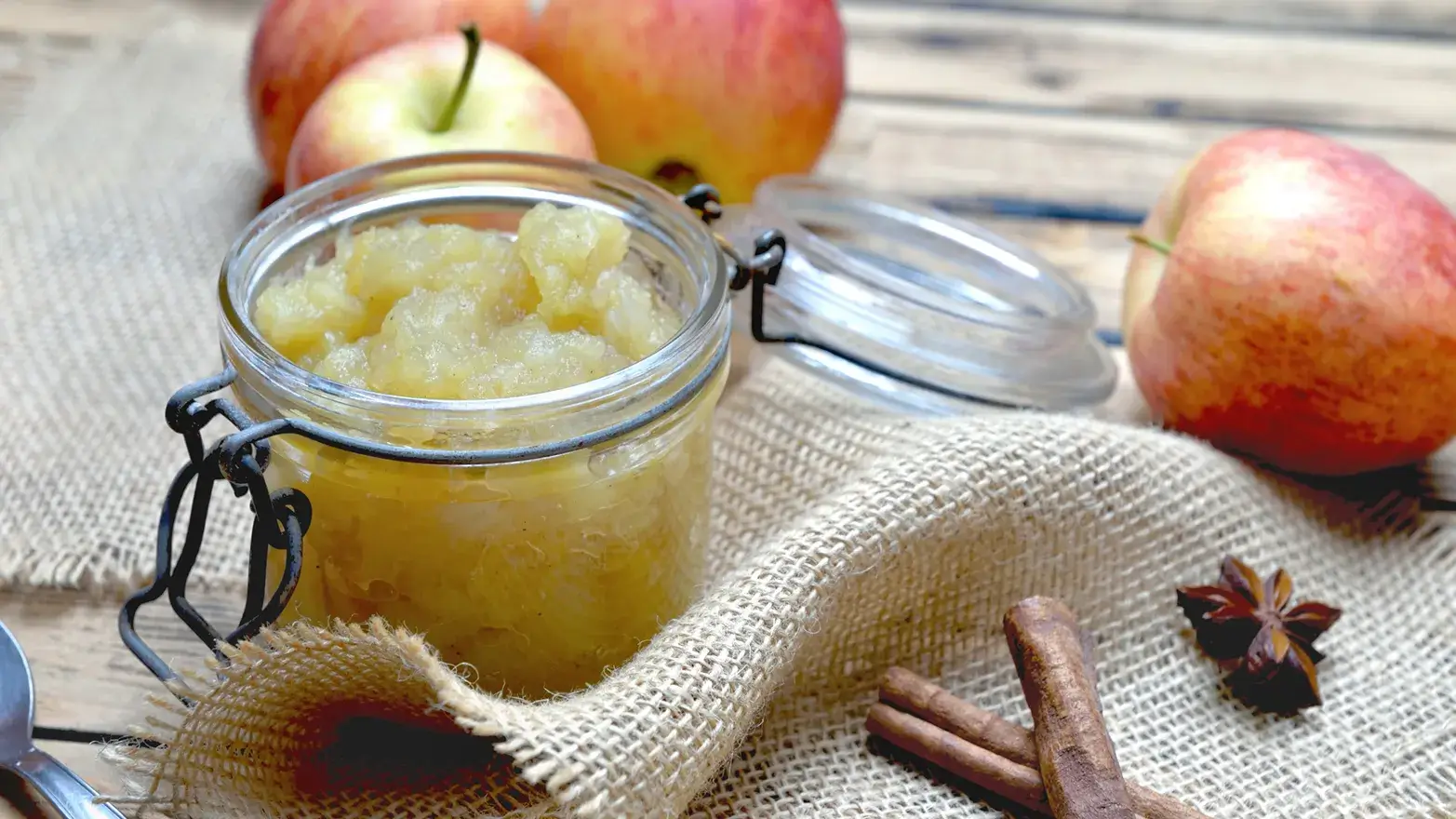
Applesauce is a great substitute for eggs in cake and other baked goods thanks to its natural moisture and mild sweetness. It helps bind ingredients, making it especially useful in recipes like cakes, muffins and brownies where you want a soft, tender texture.
How to prepare: Look for unsweetened applesauce to avoid adding extra sugar to your recipe. You can also make homemade applesauce at home by cooking down apples and pureeing them until smooth.
How much to use: For one large egg, use 1/4 cup of applesauce.
Best for: Snack cakes, muffins, brownies and quick breads.
Watch for: Applesauce can make cookies cakier and light cakes denser, especially when replacing more than one egg.
For more boxed-cake ideas, see how to make box cake better
4. Mashed banana
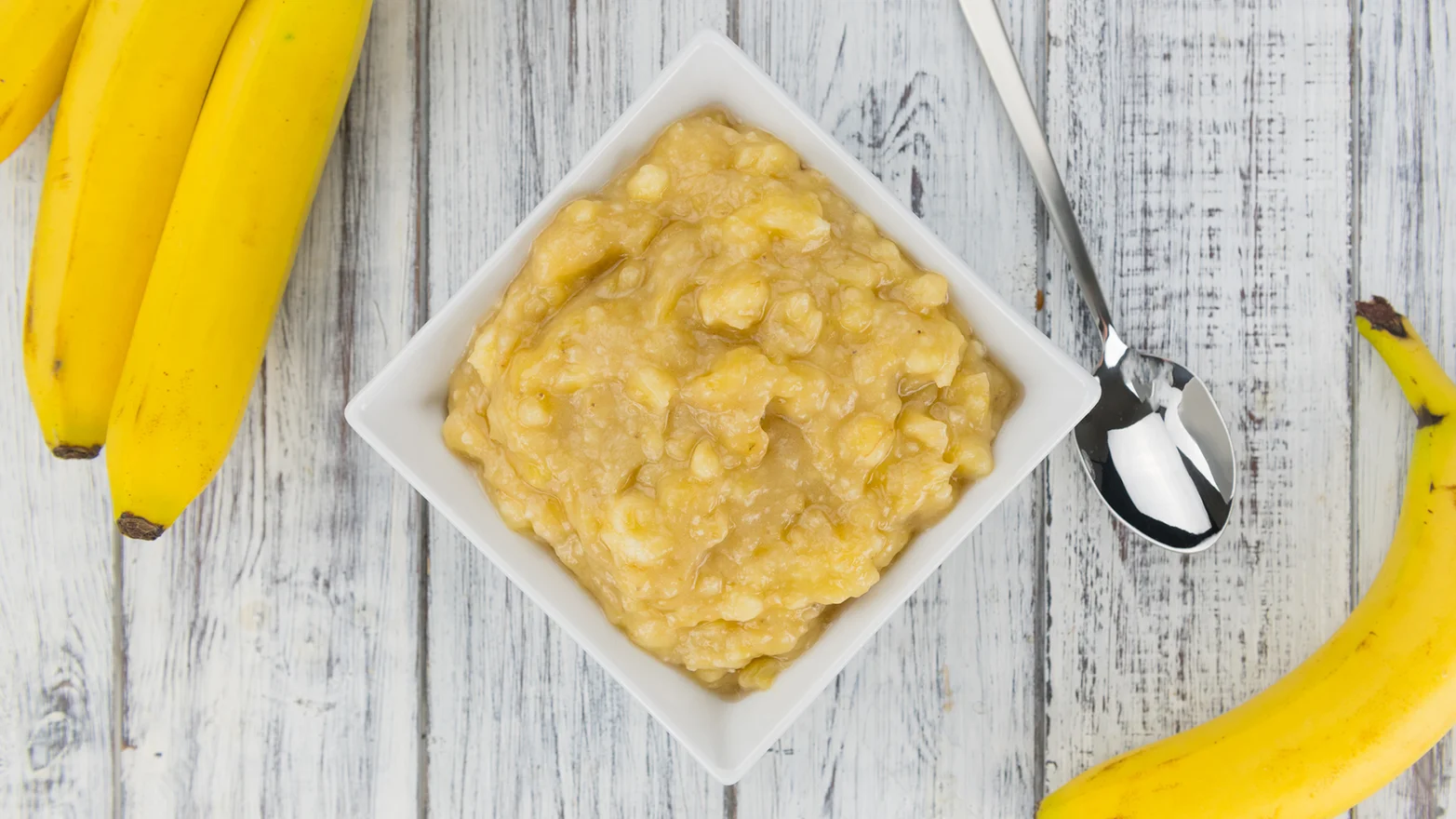
Mashed banana is a simple, fruity substitute for eggs in your sweet treats. Its natural sugars add sweetness and moisture, helping bind ingredients and keep baked goods tender. This option is great in recipes where a slight banana flavor complements the dish, like muffins, pancakes, brownies or cookies.
How to prepare: Simply mash a ripe banana with a fork until it’s smooth. The riper the banana, the sweeter and softer it will be, making it easier to blend into your batter.
How much to use: Use 1/4 cup of mashed banana to replace one large egg.
Best for: Muffins, pancakes, quick breads and dense brownies.
Watch for: Banana noticeably changes the flavor and adds sweetness, so consider slightly reducing other added sugar.
Mashed banana can also work as a butter substitute
5. Yogurt
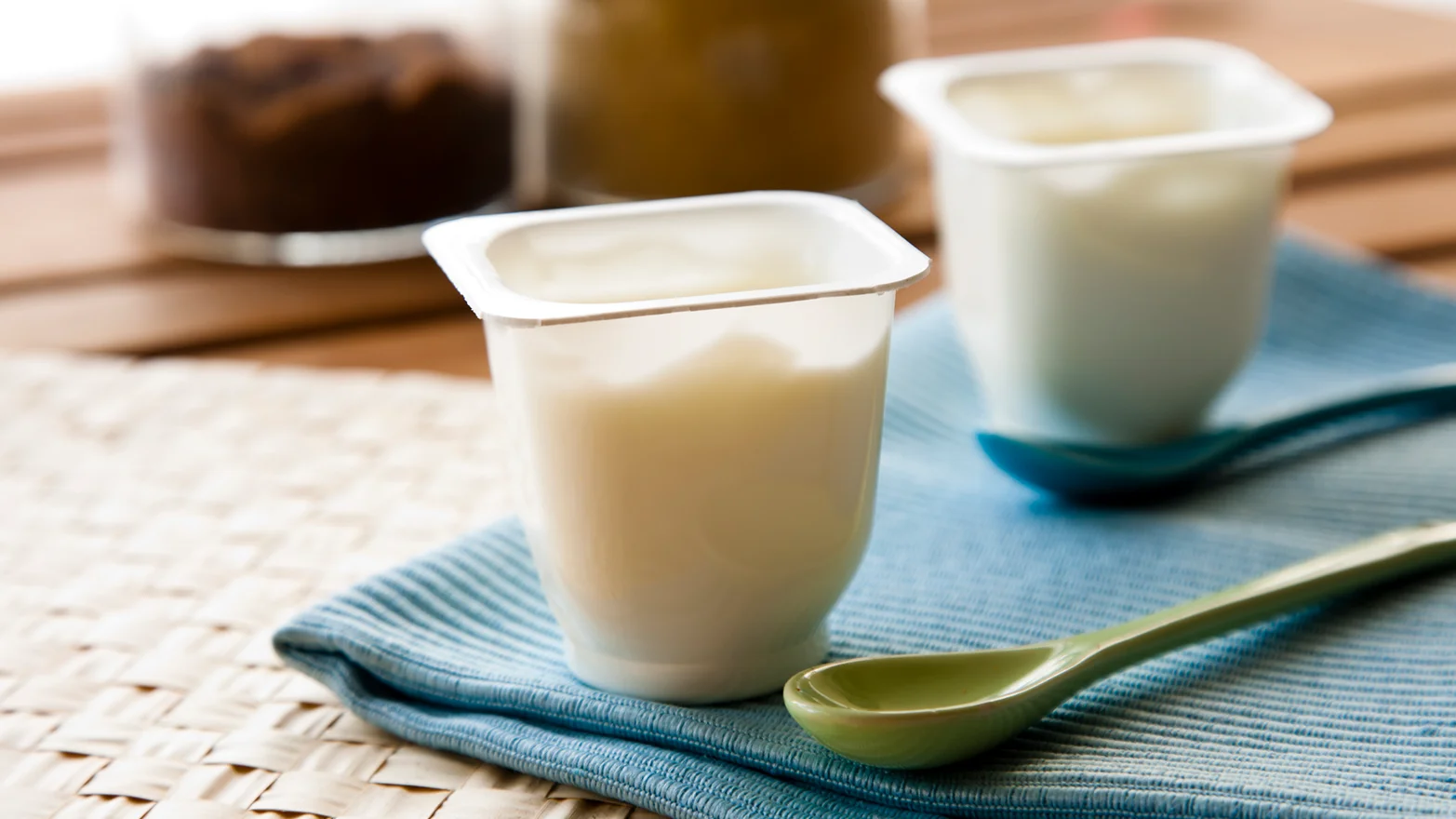
Yogurt makes a great option when you’re figuring out how to replace eggs in baking, especially in recipes that need a rich, creamy texture. It works as a binder and provides moisture, keeping cakes, muffins and brownies soft and tender. Plain yogurt is best to avoid altering the flavor too much, but Greek yogurt can add extra thickness and richness.
How to prepare: No special prep is needed — just scoop and add it to your recipe. Choose unsweetened plain yogurt to keep your flavors balanced.
How much to use: Use 1/4 cup of yogurt to replace one large egg. Yogurt works especially well in cakes and breads.
Watch for: Yogurt is not vegan unless you choose a plant-based variety. Full-fat and Greek yogurt can create a richer, denser crumb than thinner yogurt.
Need a dairy-free option? Browse these milk substitutes
6. Buttermilk
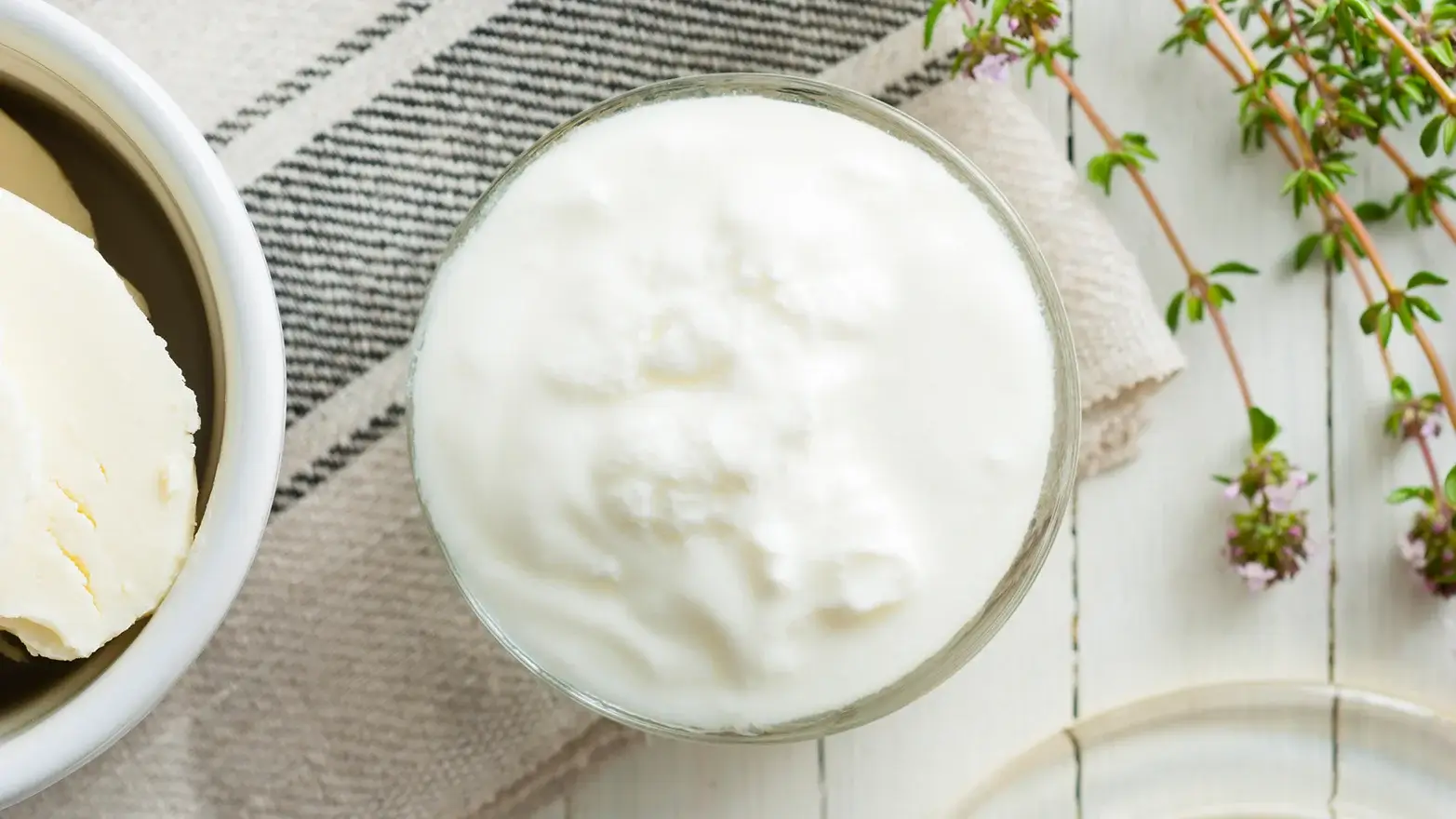
Buttermilk is an excellent choice as an egg substitute for adding moisture and a tender texture to baked goods. Its slight acidity also helps activate baking soda or baking powder, giving your treats a bit of extra lift. This makes it a great option for cakes, muffins and quick breads, where it can create a light, fluffy crumb.
How to prepare: If you don’t have buttermilk on hand, you can easily make it by adding 1 tablespoon of lemon juice or vinegar to 1 cup of milk and letting it sit for a few minutes until it thickens slightly.
How much to use: Replace one large egg with 1/4 cup of buttermilk.
Watch for: Buttermilk adds liquid but does not provide the same structure as an egg. It is best for recipes that call for only one egg and already contain flour and leavening.
7. Arrowroot powder

Arrowroot powder is a popular egg substitute in baking, especially for recipes that need a smooth binding agent without adding extra flavor. This starchy powder is often used in gluten-free and vegan baking to help bind ingredients and add structure. It works well in cookies, muffins and cakes, making it a versatile option when eggs are off the table.
How to prepare: Mix 2 tablespoons of arrowroot powder with 3 tablespoons of water to replace one egg. Stir until smooth to create a thick, gel-like consistency.
How much to use: For one large egg, use the 2 tablespoons of arrowroot powder plus 3 tablespoons of water mixture.
Best for: Cookies, quick breads and moist snack cakes.
Watch for: Arrowroot binds but adds little lift and may leave some baked goods dry or tender. Use another option when a fluffy texture is the goal.
8. Sweetened condensed milk

Sweetened condensed milk is a rich, thick option that can replace eggs in many baked goods, particularly sweet recipes. Its thick consistency adds moisture and binding properties, while the sweetness enhances the flavor. It’s especially useful for cookies, cakes and pies where the added sugar complements the recipe.
How to prepare: Simply use it as is — no need for any additional preparation.
How much to use: Use 1/4 cup of sweetened condensed milk to replace one large egg.
Watch for: This option adds considerable sugar and dairy. Reduce other added sugar when practical, and use plant-based condensed milk when baking vegan.
9. Silken tofu
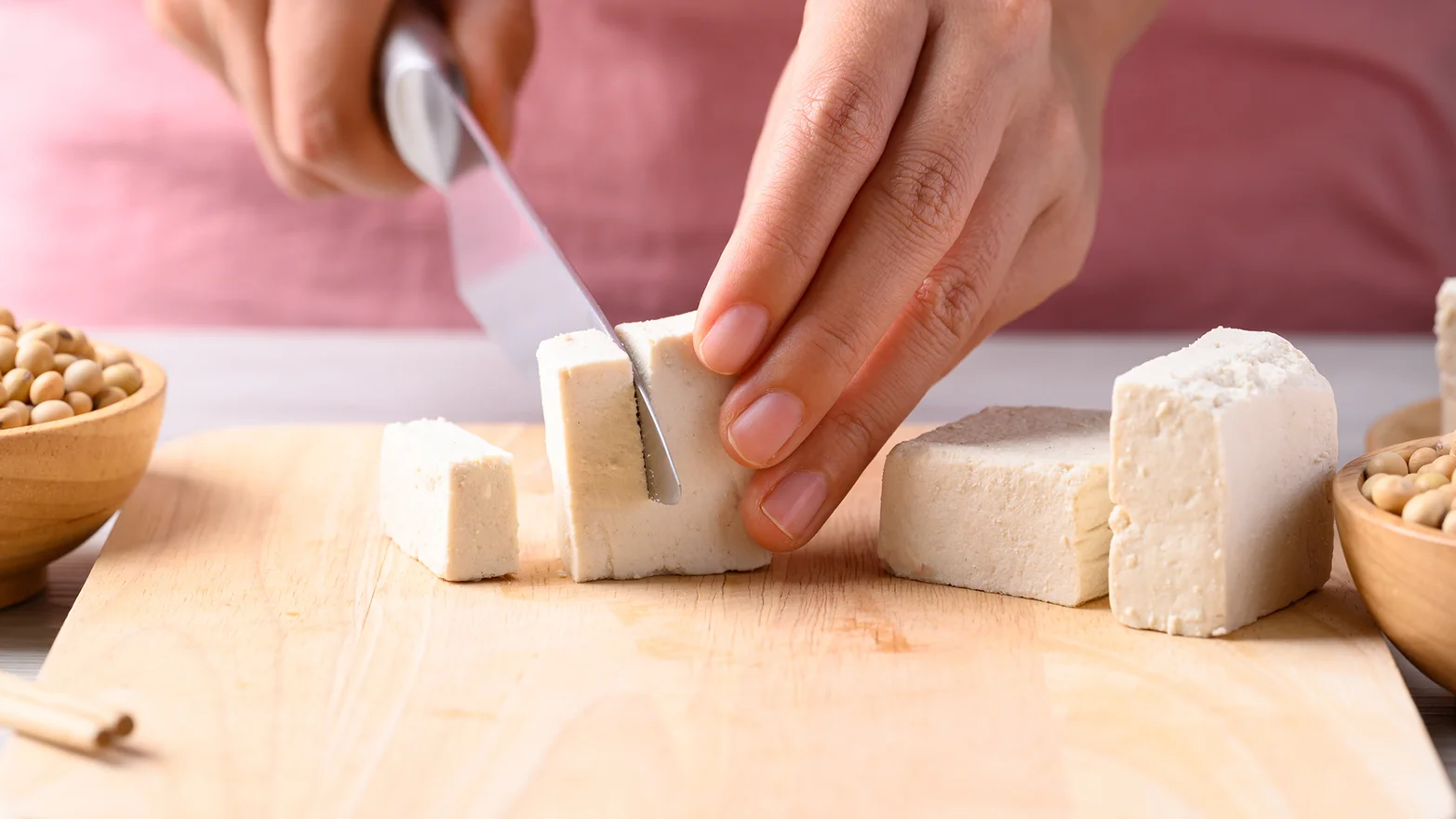
Silken tofu is an effective egg substitute that adds moisture and density to baked goods without changing the flavor. Its smooth texture works well in denser recipes like brownies, muffins and certain cakes. Since tofu doesn’t add sweetness, it’s ideal for recipes where you want the other flavors to shine.
How to prepare: Blend or mash 1/4 cup of silken tofu until it’s completely smooth, removing any lumps to keep your batter even.
How much to use: To replace one large egg, use 1/4 cup of puréed silken tofu.
Best for: Brownies, dense cakes, quick breads and custard-like fillings.
Watch for: Silken tofu adds moisture and structure but little lift, so it can make delicate cakes heavy.
10. Aquafaba

Aquafaba, the liquid from a can of chickpeas, is a surprising but effective egg substitute, especially for recipes that require whipped egg whites like meringues, mousses or macarons. Aquafaba can be whipped into soft or stiff peaks, making it useful in airy desserts and light batters.
How to prepare: Drain the liquid from a can of chickpeas and use it as is. For recipes that call for whipped egg whites, beat the aquafaba with a hand mixer until it forms soft or stiff peaks.
How much to use: Use 3 tablespoons of aquafaba to replace one large egg. Use approximately 2 tablespoons to replace one egg white.
Watch for: Aquafaba performance varies with the brand and concentration of the chickpea liquid. Use a tested aquafaba recipe for meringues, macarons and other precision bakes.
11. Water, oil and baking powder
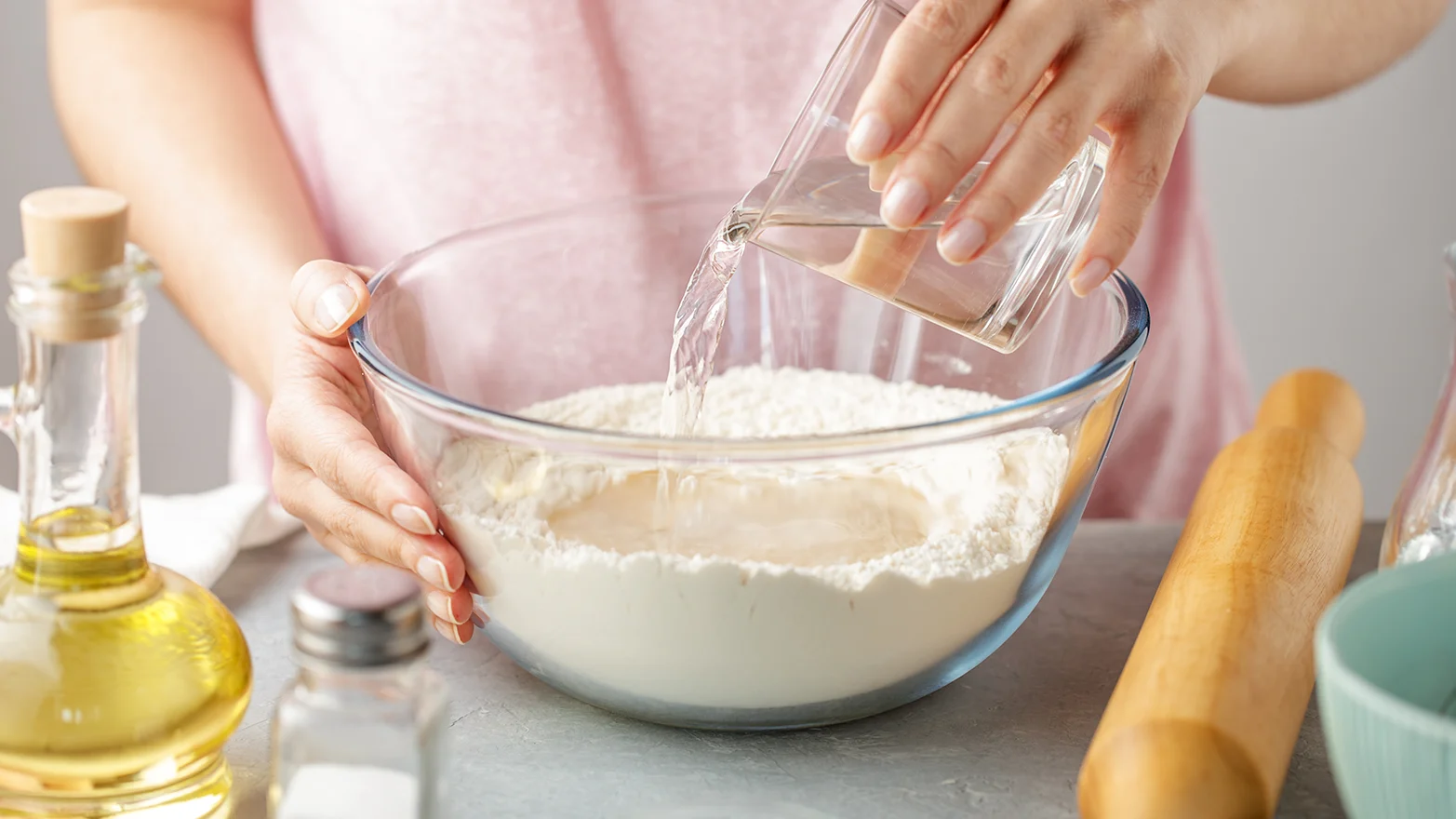
A combination of water, oil and baking powdercan mimic the binding and leavening properties of eggs. This trio is useful for cookies, cakes and muffins, where it helps add moisture and a little lift.
How to prepare: Mix 2 tablespoons of water with 1 teaspoon of oil and 2 teaspoons of baking powder to create a smooth blend.
How much to use: This mixture replaces one large egg.
Watch for: The mixture adds moisture and lift but does not bind as strongly as an egg. It works best when replacing one egg in a recipe with enough flour or starch for structure.
Grab it now on Instacart


12. Carbonated water

Carbonated water is a quick, easy egg substitute that can add lightness to cakes, pancakes and other batter-based recipes. The bubbles in carbonated water act as a leavening agent, helping your baked goods rise and achieve a fluffy texture.
How to prepare: Simply measure out the carbonated water and add it directly to your batter. For best results, use freshly opened carbonated water to keep as many bubbles as possible.
How much to use: Use 1/4 cup of carbonated water to replace one large egg.
Best for: Cakes, cupcakes, pancakes and other light batters.
Watch for: Mix and bake promptly. Carbonated water adds lift but not much binding, so it is less suitable for cookies or dense bars.
13. Pumpkin purée
Pumpkin purée adds moisture and helps bind ingredients in muffins, quick breads and snack cakes. It works similarly to applesauce but adds a warm color and a mild pumpkin flavor.
How to prepare: Use plain pumpkin purée rather than sweetened pumpkin pie filling.
How much to use: Use 1/4 cup of pumpkin purée to replace one large egg.
Best for: Muffins, quick breads, pancakes and spiced snack cakes.
Watch for: The finished bake may be denser and may take on an orange color or pumpkin flavor.
14. Baking soda and vinegar
Baking soda and vinegar create carbon dioxide bubbles that can help cakes, cupcakes and muffins rise. This combination is most useful when leavening is the main job of the egg.
How to prepare: Stir 1 teaspoon of baking soda into the dry ingredients and 1 tablespoon of vinegar into the wet ingredients. Combine the batter and bake promptly.
How much to use: Use the mixture as a starting point for replacing one large egg.
Best for: Cakes, cupcakes and muffins that need lift.
Watch for: This swap adds little binding or richness and is not ideal for cookies, custards or recipes that rely on several eggs.
15. Commercial egg replacer
Commercial egg replacers are typically made with starches, gums or plant proteins designed to replace eggs in baking. They can be convenient when you want a neutral option without adding fruit or seed flavor.
How to prepare: Prepare the replacer according to the package directions.
How much to use: Follow the brand’s instructions for replacing one large egg.
Best for: Cookies, muffins, cakes, pancakes and other uses listed on the package.
Watch for: Formulas vary by brand. Check the ingredient and allergen statements, especially for soy, wheat or other dietary concerns.
Which egg substitute works best for your recipe?
The right substitute depends on what you are baking. A chewy brownie can handle a flax egg, while a light cupcake may need something that adds more lift.
Recipe Type | Good Starting Options | Why |
Cookies | Flax egg, chia egg, commercial replacer | Helps the dough hold together without making it too wet. |
Brownies and bars | Flax egg, chia egg, applesauce, silken tofu | Adds moisture and supports a dense or fudgy texture |
Cakes and cupcakes | Yogurt, buttermilk, carbonated water, commercial replacer | Adds moisture or lift, depending on the option you choose. |
Muffins and quick breads | Applesauce, banana, pumpkin, yogurt, flax egg | Works well in batters that can handle extra moisture. |
Pancakes and waffles | Carbonated water, banana, yogurt, commercial replacer | Keeps the batter moist and may add a little lift. |
Meringues and whipped desserts | Aquafaba | It can whip into a foam similar to egg whites in tested recipes. |
When an egg substitute might not be the best choice
Egg substitutes usually work best when a recipe calls for only one or two eggs. When eggs are responsible for most of the rise, shape or texture, a simple swap may not give you the result you were hoping for.
Airy desserts like angel food cake, sponge cake and soufflés depend heavily on whipped eggs. Instead of swapping them one for one, look for an egg-free recipe created specifically for that dessert.
Custards, curds and some cheesecakes also rely on eggs to thicken and hold their shape. Tofu or starch can work, but you will usually get better results with a recipe that already calls for that substitute.
Trying to replace three or more eggs can change almost everything about the finished bake, from its flavor and color to how much it rises. At that point, starting with an eggless recipe is usually the safer bet.
Baking for someone with an egg allergy? Check every package label and look for cross-contact warnings from shared equipment or facilities.
FAQ:
What is the best substitute for eggs in baking?
The best substitute depends on what the egg is doing in the recipe. Flax and chia eggs are useful for binding, applesauce and yogurt add moisture, aquafaba can create foam, and commercial replacers offer a neutral option. Match the substitute to the egg’s role in the recipe.
What can I use instead of an egg in a cake mix?
For a standard cake mix that calls for one egg, try 1/4 cup of applesauce or yogurt, 1/4 cup of carbonated water, or a commercial egg replacer prepared according to its label. Cake mixes can behave differently, so stick to replacing one egg unless the box or recipe gives directions for a larger swap.
What is the best vegan egg substitute for baking?
Flaxseed, chia seeds, applesauce, banana, silken tofu, aquafaba, pumpkin purée and many commercial egg replacers can be vegan. Check packaged ingredients because formulas vary.
How many eggs can you replace in one recipe?
Replacing one or two eggs is usually manageable. Once a recipe calls for three or more, it is often easier to start with an eggless version.
Can an egg substitute change baking time?
Yes. Added moisture, density or reduced lift can change how quickly a bake sets. Start checking at the original baking time, then give it a few more minutes if the center still looks wet or underbaked.
Stock up for your next baking project
Now that you’ve discovered the best substitutes for eggs in baking, it’s time to gather the rest of your ingredients. Whether you’re baking a cake, cookies or brownies, having everything ready can make the process smoother. Choose a replacement based on your recipe, then double-check the required quantities before mixing the batter.
Use the grams-to-cups converter or ingredient weight chart when a recipe lists ingredients by weight. These tools provide ingredient-specific measurements because the weight of one cup varies between ingredients.
Ready to start baking without eggs? Shop on Instacart for yogurt, flaxseed meal, commercial egg replacer and other baking ingredients and essentials. Browse products from stores available near you and choose delivery or pickup where offered. Availability, pricing and timing vary by retailer and location.