Beans have a place in nearly every kind of kitchen, whether you have a pot of chili simmering on the stove or a bowl of hummus waiting in the fridge. This guide covers familiar staples such as black, pinto and kidney beans alongside varieties that don't get nearly as much recognition as they deserve.
If you’re looking for a versatile food that will keep you full longer and complement the meals you’re already making, this guide is a good place to start.
Green beans
Where they’re grown: Around the world, with major production in the United States, Mexico, China and Kenya.
When they’re in season: Year-round, with May through October being their prime season in the U.S.
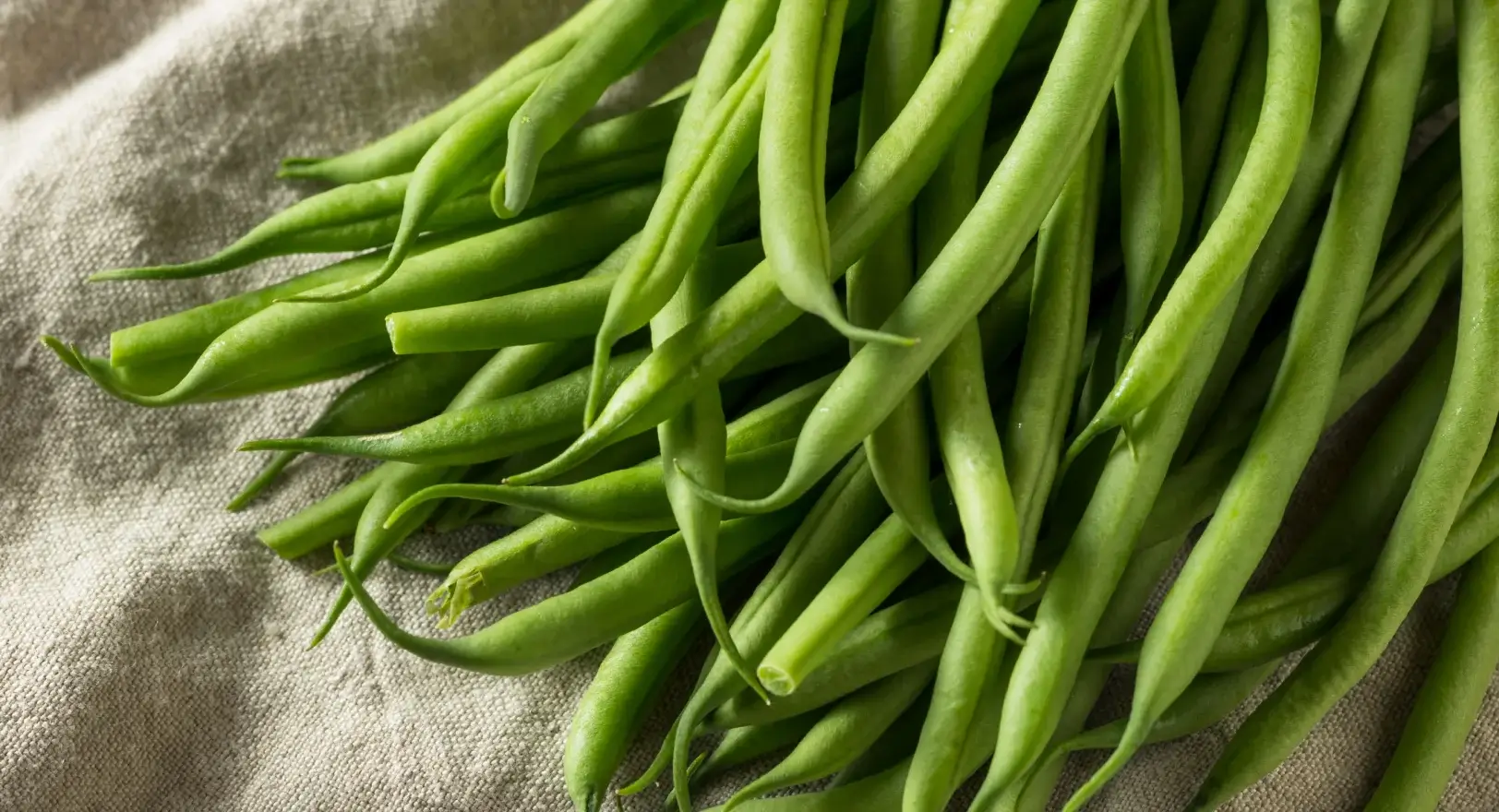
Green beans, also called string beans or snap beans, come in more than 130 varieties, including French beans. They have a fresh, crisp flavor and can be eaten whole (seeds and all), after cooking. Although people often treat green beans as a vegetable, they’re actually the young, unripe fruits of the common bean plant.
When shopping for fresh green beans, look for firm, slender pods that snap easily when bent, with bright green skin free of cuts or brown spots. Choose beans of similar size so they cook evenly.
If you want green beans out of season, snag them canned or frozen. Canned or frozen green beans work well in soups, stir-fries, casseroles and stews. You can also pickle them or serve them as a side dish.
Pinto beans
Where they’re grown: Grown in Mexico and Peru for thousands of years and now widely cultivated in northern Mexico and the southwestern United States.
When they’re in season: Late summer to early fall, typically from August through September. Since they’re usually dried or canned, you’ll find them in grocery stores year-round.
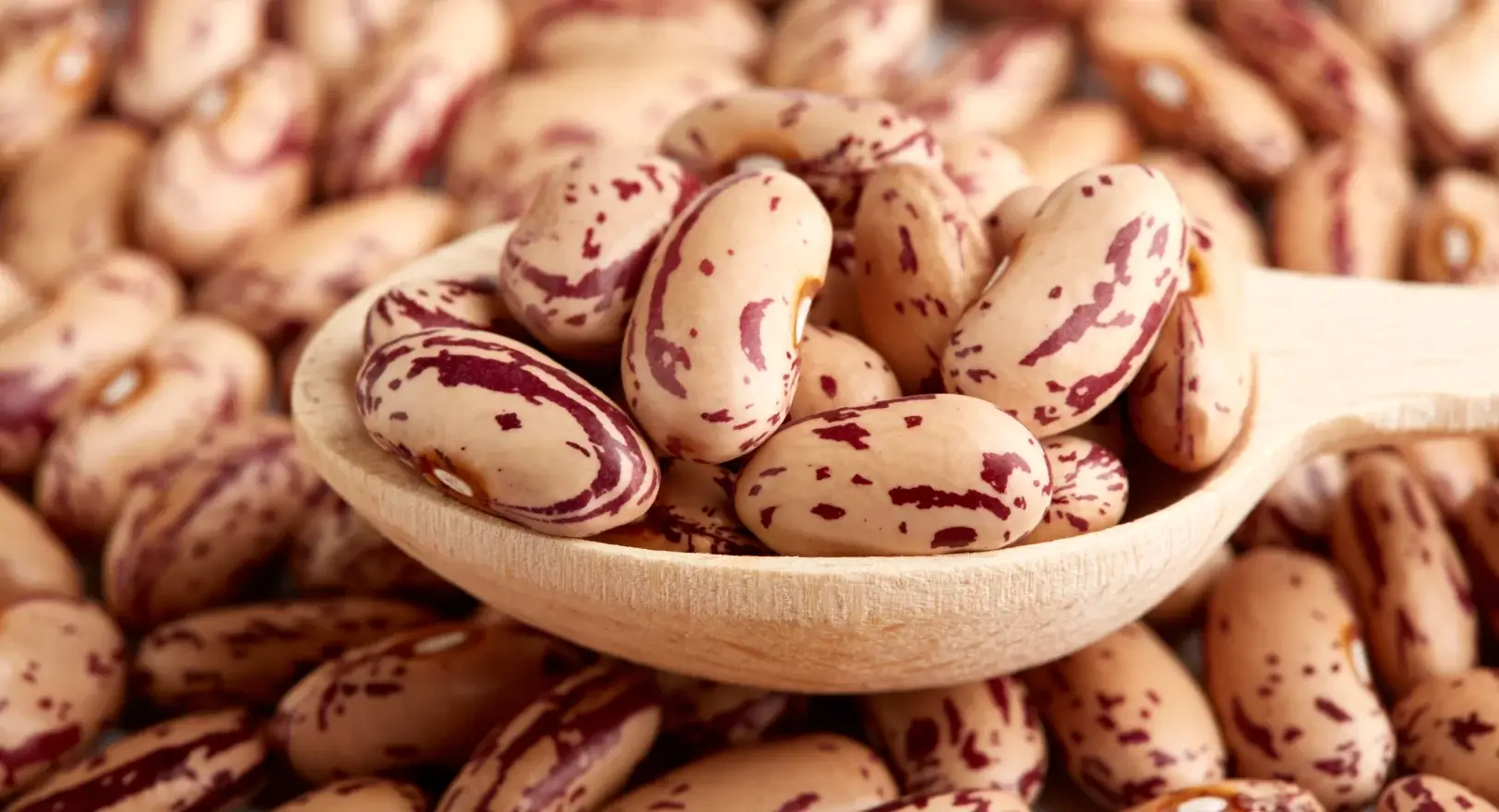
Pinto beans are small, versatile legumes named for their reddish-brown speckles. In fact, their name comes from the Spanish word for speckled. They have a mild, earthy flavor and creamy texture that works well with Mexican-inspired dishes, such as tostadas and charro beans.
According to the Johns Hopkins Center for a Livable Future, pinto beans are also a good source of plant-based protein for those looking to consume less meat.
You can buy canned or dried pinto beans, then serve them whole or mashed. If you’re buying dried pinto beans, check the use-by date and aim to use them within 12 months for the best flavor and quality.
Black beans
Where they’re grown: Originally, in Central and South America. In the U.S., Michigan is the largest producer of black beans.
When they’re in season: They’re typically planted in spring and harvested in late summer or early fall. Since they’re usually sold dried or canned, they’re available year-round.
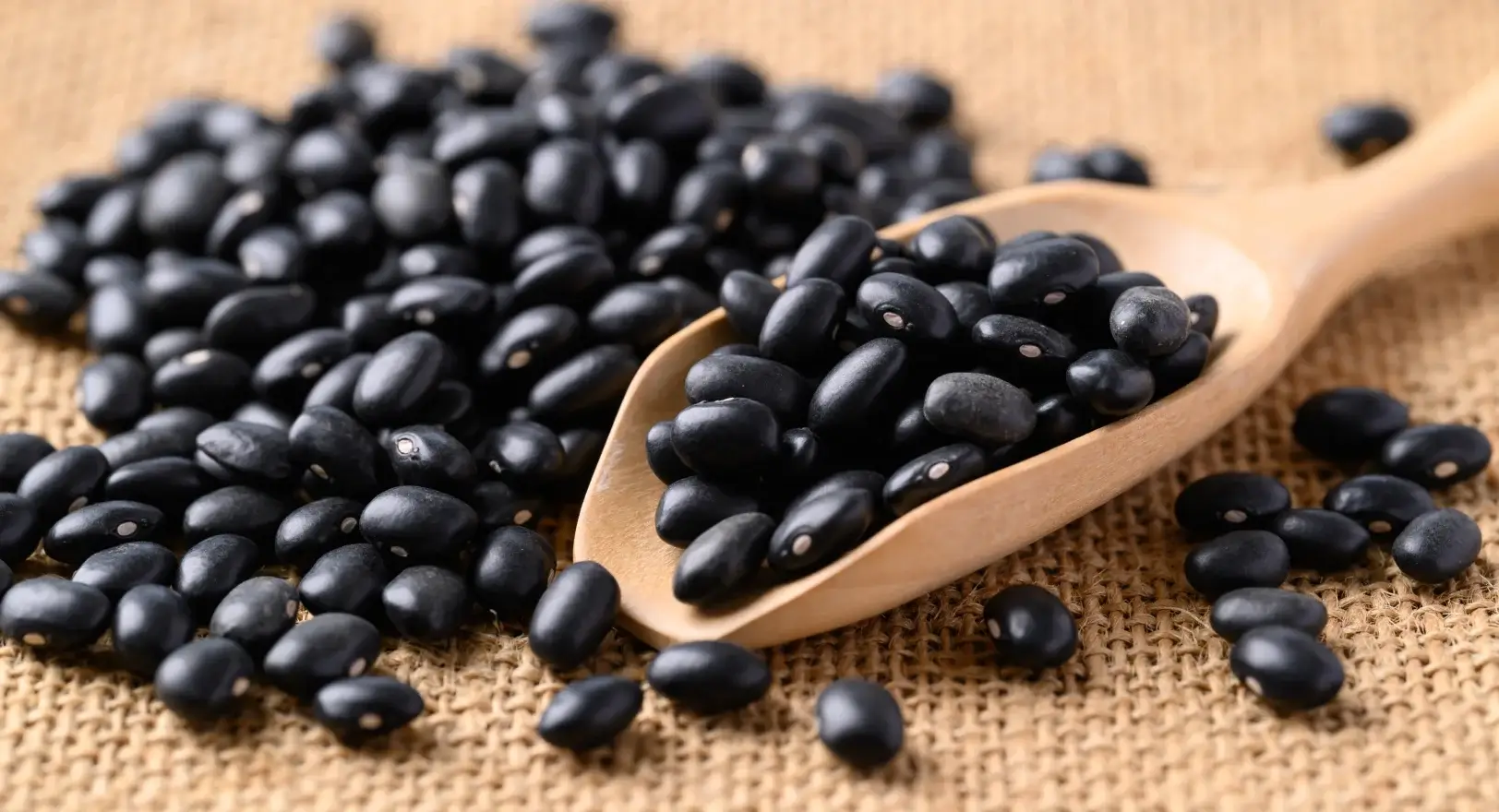
Black beans are small, oblong beans with satiny black skin and a white center that becomes creamy when cooked. Their rich, slightly sweet flavor works well in tacos, dips, soup and veggie burgers.
There are several types of black beans, including black turtle beans, Domino, Black Magic and Blackhawk. Black turtle beans are the most common variety in grocery stores, so black beans are sometimes called turtle beans. Black beans have been a staple in Latin and Central American diets for more than 7,000 years and are now used in cuisines around the world.
Lima beans
Where they’re grown: They originated in Lima, Peru, and are now grown in parts of the United States, Mexico, Central America and Southeast Asia.
When they’re in season: Generally, during the summer and early fall. Dried and canned lima beans are available year-round.
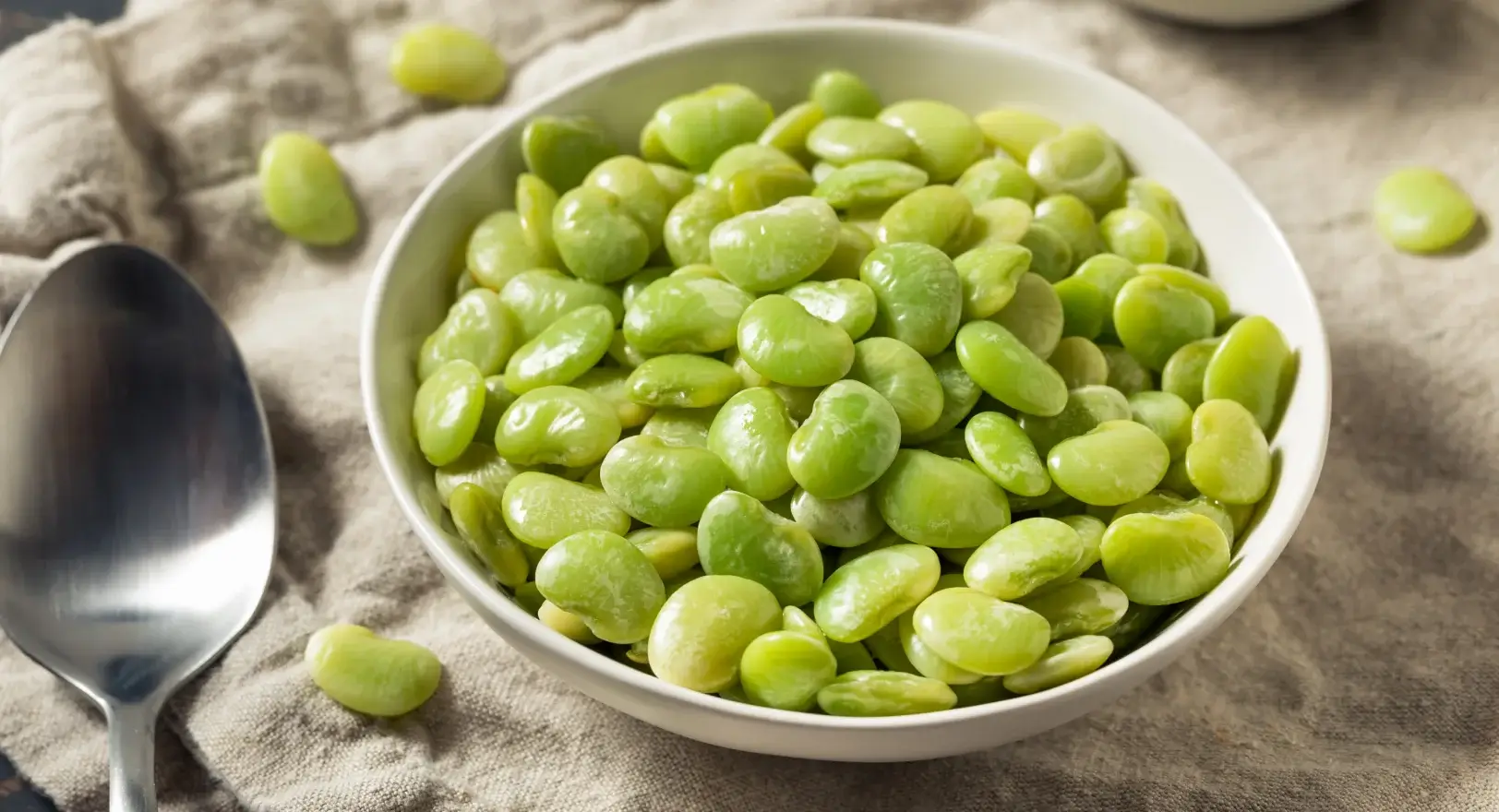
Lima beans are legumes from the Phaseolus genus, with a mildly sweet, buttery flavor. They range from small to large and can be green or white, with shapes ranging from long and oval to kidney-shaped. Larger lima beans are often called butter beans. Other names include double beans, Madagascar beans, Chad beans and Sieva beans.
Lima beans have been part of diets for thousands of years, dating back to around 6,000 B.C. in Peru.
Lima beans are delicious in dishes like southern-style butter beans and lima bean curry, but are especially well known in succotash. You can also use fresh lima beans in salads, but be sure to cook them thoroughly first to release the legume’s toxins.
Fava beans
Where they’re grown: Fava beans are grown in more than 50 countries, including regions across the Mediterranean, Asia, Africa and the Americas.
When they’re in season: Fresh beans are typically available from spring through early summer. Dried fava beans are available year-round.
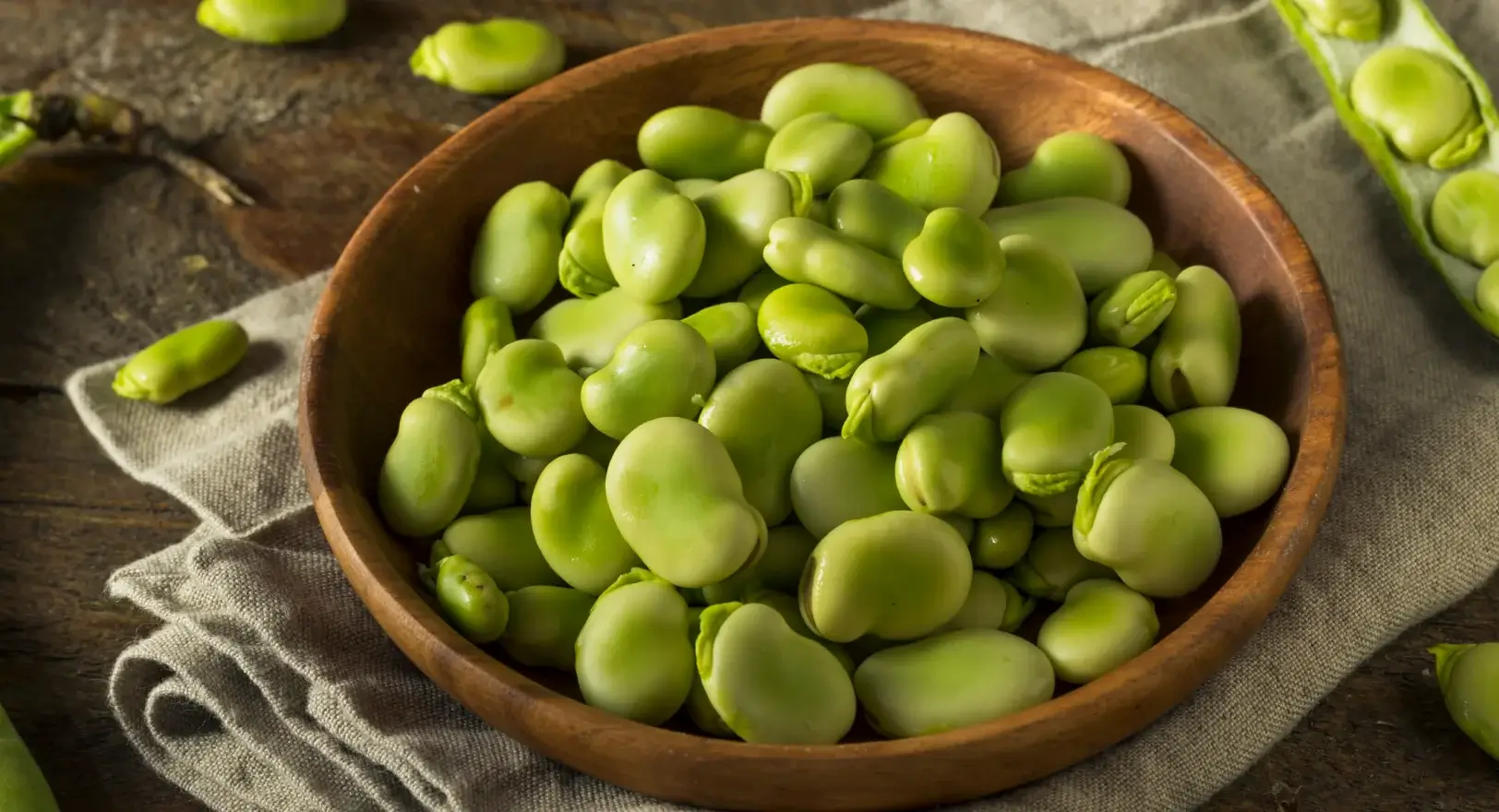
Fava beans (aka broad beans) have a long history in Mediterranean cuisine and were eaten by ancient Greeks and Romans. Dating back to around 6,000 B.C., these beans are one of the oldest cultivated plants.
Young, tender beans are often eaten raw or sautéed as a snack or salad topping. As they mature, fava bean pods become long and leathery. This is a sign that they’re ready for use in heartier dishes like mashes and stews.
Coffee beans
Where they’re grown: Tropical regions around the world, with major producers including Brazil, Vietnam, Colombia and Indonesia. Different coffee varieties thrive in different climates and elevations.
When they’re in season: Coffee harvest seasons vary by region; roasted coffee beans are available year-round.
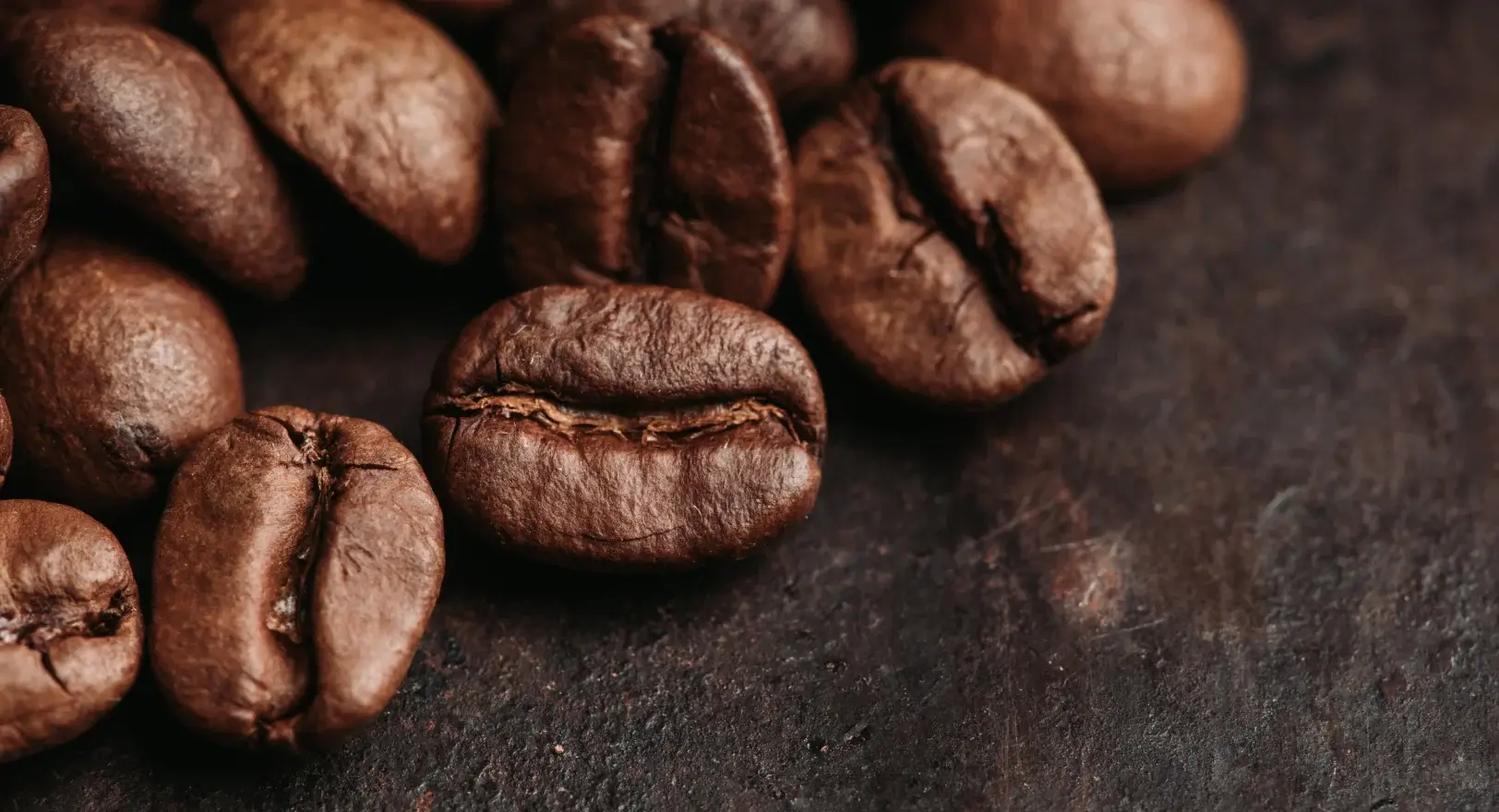
Despite their name, coffee beans aren’t legumes. They’re seeds from coffee cherries, included here because they’re commonly called “beans.” For a closer look at how they differ, explore our guide to the types of coffee. Four of the best-known varieties are below.
Arabica: The most common coffee bean in North America, Arabica is grown around the world, including in Brazil and Vietnam. It has a sweet, smooth flavor and average caffeine content, though the plants require more care and pruning, which can make Arabica beans more expensive.
Robusta: Easier to grow and generally less expensive than Arabica, Robusta has a strong, bitter flavor and high caffeine content. It’s popular in Europe, Africa and the Middle East and is commonly used for instant coffee and in blends sold as espresso beans.
Liberica: Native to western Africa and often found in Southeast Asia, Liberica has a bold, smoky flavor with nutty, earthy notes. The plants require hot, humid conditions and are difficult to grow in large quantities, so Liberica remains relatively rare.
Excelsa: A variant of Liberica, Excelsa is primarily grown in Southeast Asia. Its tart, fruity flavor can add depth to coffee and is often blended with other beans. However, its caffeine content is fairly low.
Garbanzo beans
Where they’re grown: India, Australia, Turkey and the United States.
When they’re in season: Late spring and early summer; dried and canned chickpeas are available year-round.
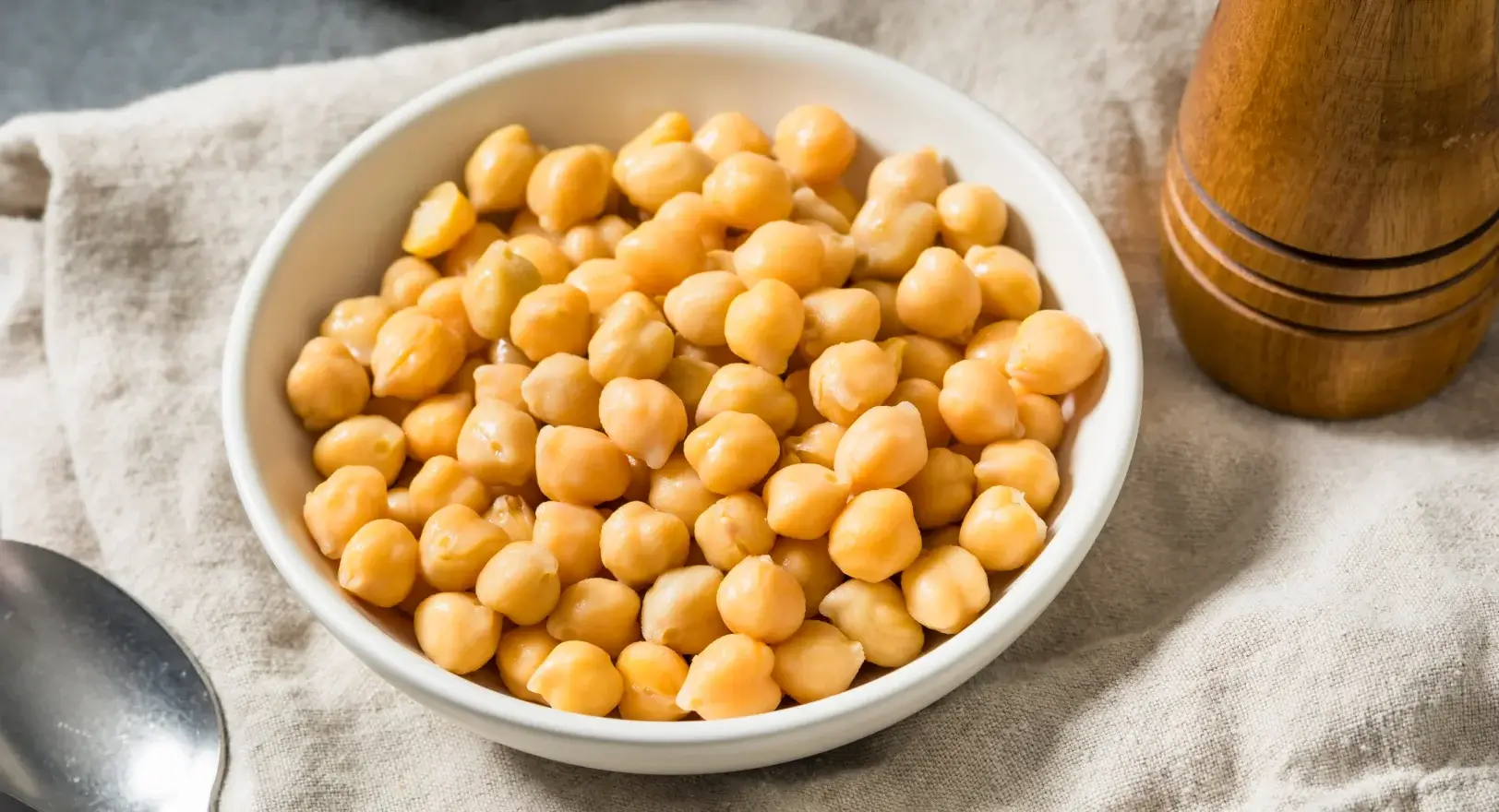
Garbanzo beans, better known as chickpeas, are small, round legumes with a mild, nutty flavor and firm texture. They’re a versatile staple for a range of diets and come in several varieties, including the larger, cream-colored Kabuli type commonly found in U.S. grocery stores and smaller, darker Desi chickpeas.
Chickpeas are perhaps best known as the main ingredient in hummus, but their uses go well beyond the popular dip. They can be tossed into salads and grain bowls, added to soups, curries and stews, roasted until crisp for a snack or mashed into patties and fritters such as falafel. You can buy them dried or canned, making it easy to keep them on hand for everyday cooking.
Kidney beans
Where they’re grown: Originated in South or Central America, likely Peru, and are now grown around the world. India is currently one of the largest producers.
When they’re in season: September through October, followed by several weeks of drying. Since they’re usually sold dried or canned, they’re available year-round.
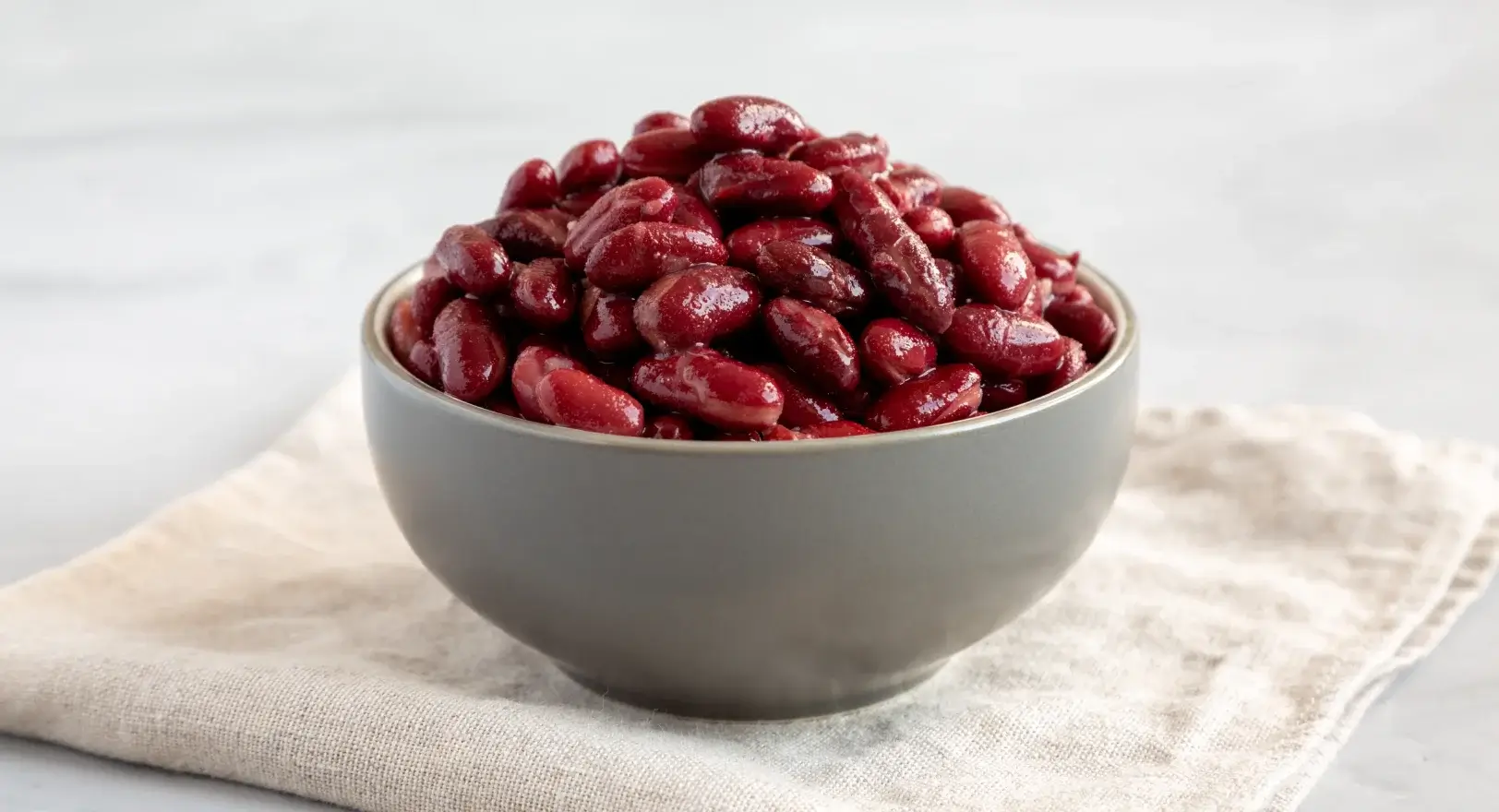
Kidney beans get their name from their kidney-like shape and color. They have a firm texture and slightly sweet flavor and are most commonly used in chili con carne and red beans and rice in the U.S., as well as in rajma (a type of curry) in India.
Red kidney beans are the variety most often found in stores, but kidney beans can also be white, speckled, black or purple. White kidney beans are commonly sold as cannellini beans.
Raw or undercooked kidney beans can be unsafe to eat because they contain high levels of a toxic protein. For dried kidney beans, the FDA recommends soaking them for at least five hours, then boiling them in fresh water for at least 30 minutes. Canned kidney beans are already cooked and can be added to recipes or eaten straight from the can.
Mung beans
Where they’re grown: They’re native to the Indian subcontinent and widely cultivated across Asia, with India remaining the largest producer. They’re also grown in parts of Africa, Australia and the Americas.
When they’re in season: Late summer or early fall, depending on the growing region. Since they’re commonly sold dried or as sprouts, they’re available year-round.
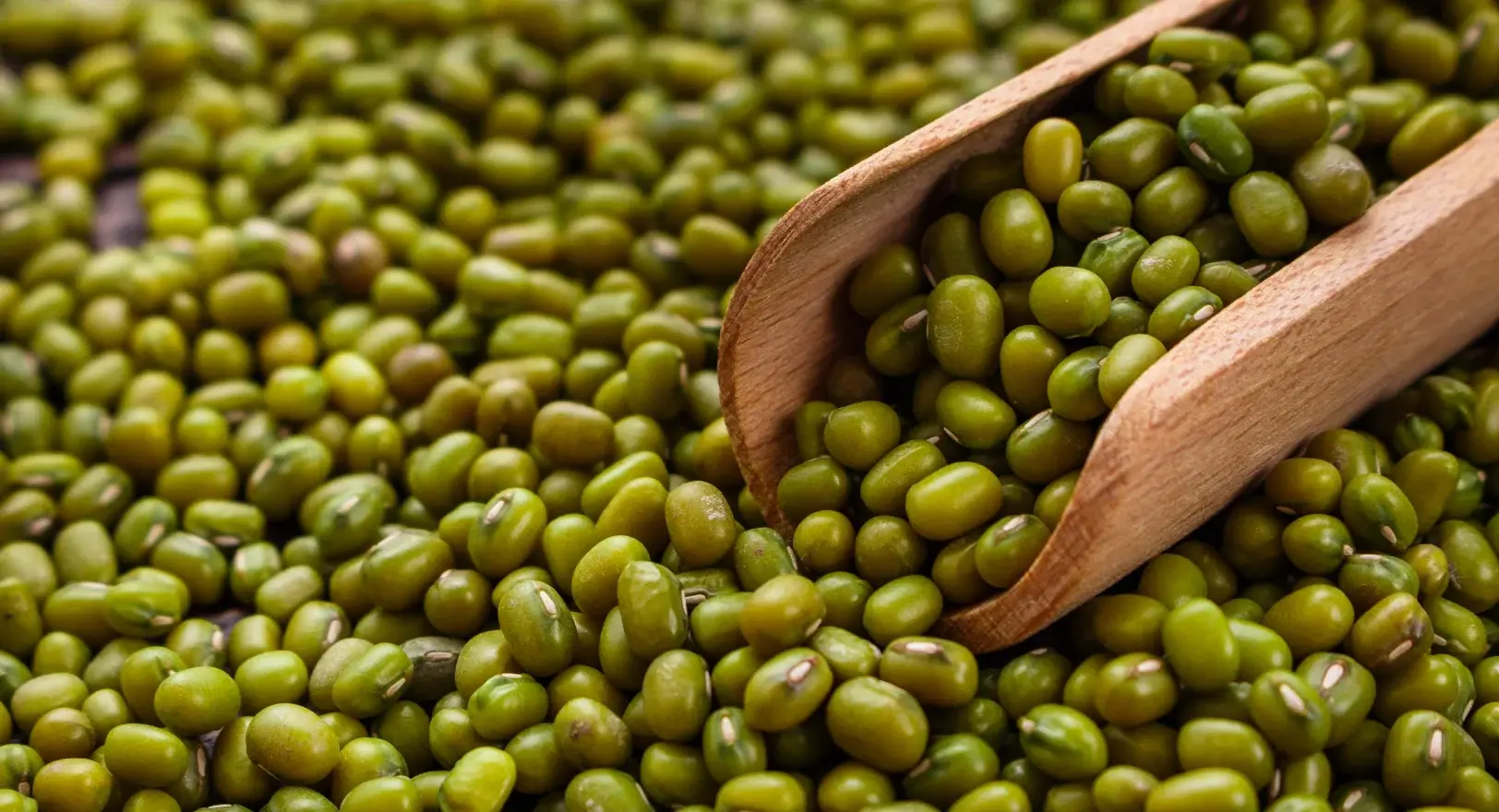
Mung beans are small, olive-green legumes from the Vigna radiata species. They’re also known as green gram, moong beans or monggo. They’re especially popular in India, China and Southeast Asia, where they’re used whole or ground into flour.
With their mild, slightly sweet flavor and short cooking time, they’re great in soups, pastes, noodles and dals.
Red beans
Where they’re grown: Around the world, with different types associated with regions across the Americas and Asia.
When they’re in season: Late summer through fall, depending on the variety and growing region. Since they’re typically sold dried or canned, they’re available year-round.
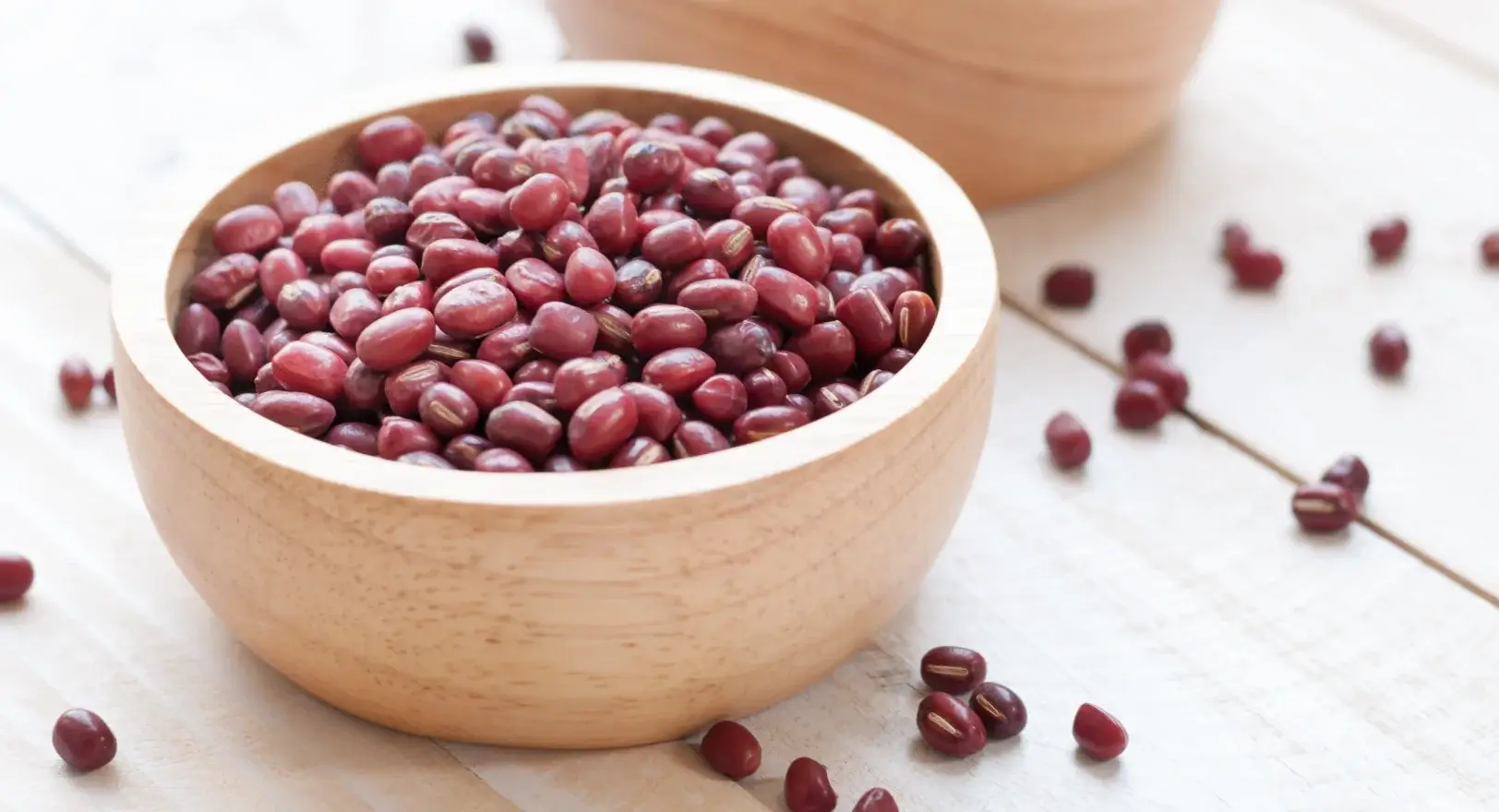
Red bean is a broad term for several varieties of red-colored beans, which can make recipes that simply call for red beans a little confusing. The most common types include:
Small red beans: Also known as Mexican beans, these are smaller and rounder than kidney beans, with an oval shape and mild flavor. They’re commonly used in Cajun-style beans and rice, chili and refried beans.
Adzuki beans: Small and dark red, adzuki beans are also called azuki, aduki or red mung beans. They have a slightly nutty, sweet flavor and are especially popular in Asian cuisine, where they’re sweetened to make red bean paste for desserts and porridge. They also work well with rice and other grains in savory dishes.
Kidney beans: Red kidney beans have a firm texture and deep red color and are widely used in chili con carne and classic Creole red beans and rice. The white variety is known as cannellini beans and is commonly used in Italian dishes such as bean soup.
White beans
Where they’re grown: North and South America, Europe and the Middle East, with different varieties originating in different regions.
When they’re in season: Late summer to early fall, but since they’re typically sold dried or canned, they’re available year-round.
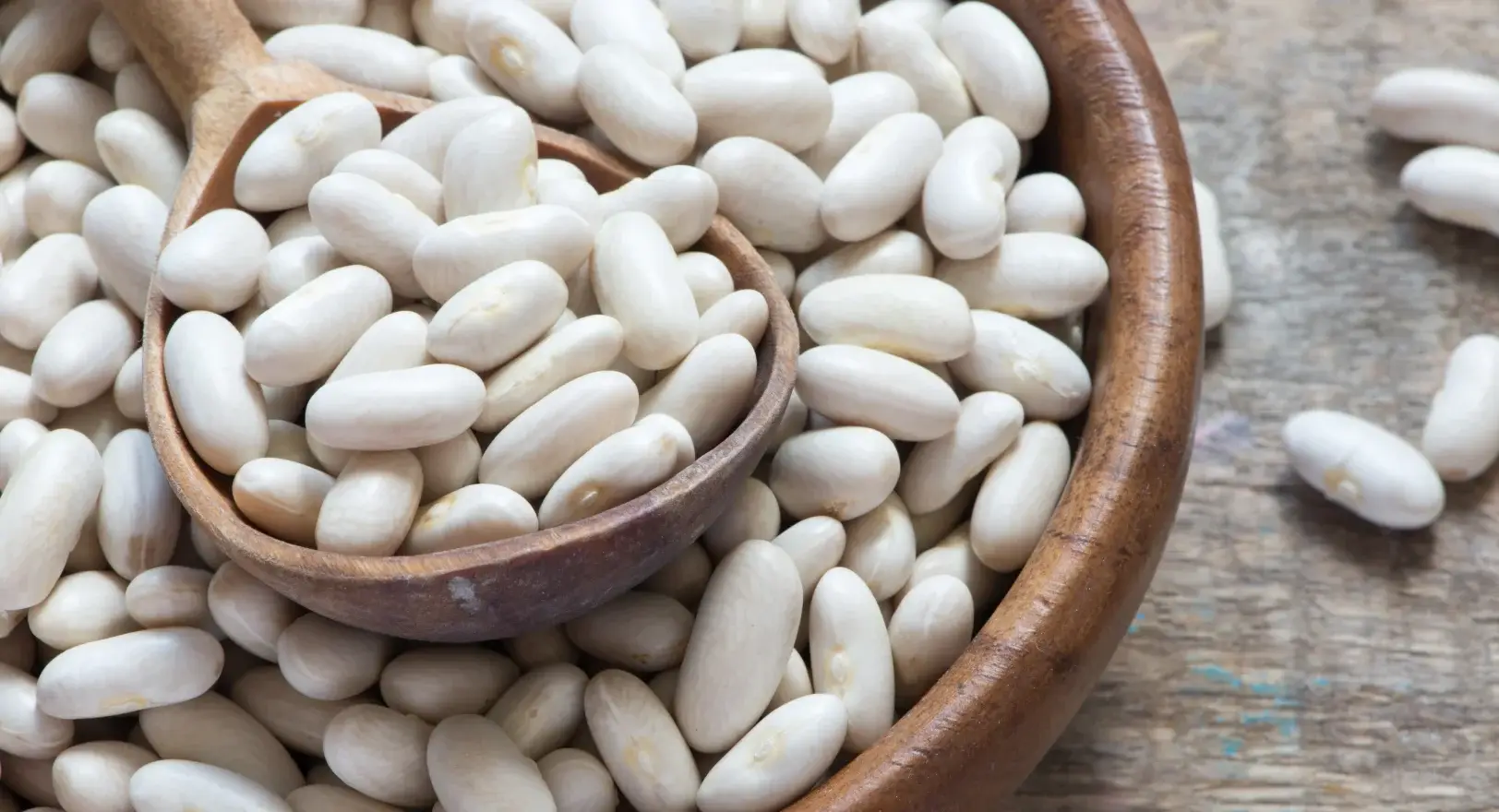
White beans are a broad category of legumes with a delicate, slightly nutty flavor and creamy, starchy texture when cooked. They naturally take on the flavor of the dish they’re used in, making them a good ingredient for skillets and casseroles.
These beans have been cultivated across several regions for centuries, with each variety carrying its own history. Navy beans became a staple of the U.S. Navy in the second half of the 1900s, while Great Northern beans became associated with French cassoulet. Cannellini beans originated in southern Italy and remain a staple in dishes such as pasta e fagioli and minestrone.
Navy beans: Also called pea beans, these small white beans have a mild flavor and creamy texture. They’re commonly used in baked beans, soups and stews.
Great Northern beans: Slightly larger than navy beans, Great Northern beans have a mild flavor and firm texture. They’re traditionally used in French cassoulet and work well in soups, casseroles and other slow-cooked dishes.
Cannellini beans: Also called white kidney beans, cannellini beans are larger with a creamy texture and mild, nutty flavor. They’re great in Mediterranean and Italian dishes such as pasta e fagioli and minestrone.
Lupini beans
Where they’re grown: Native to the Mediterranean and parts of the Americas, but now grown commercially in Australia, Italy, Portugal and Spain.
When they’re in season: Spring through summer with dried and jarred lupini beans being available year-round.
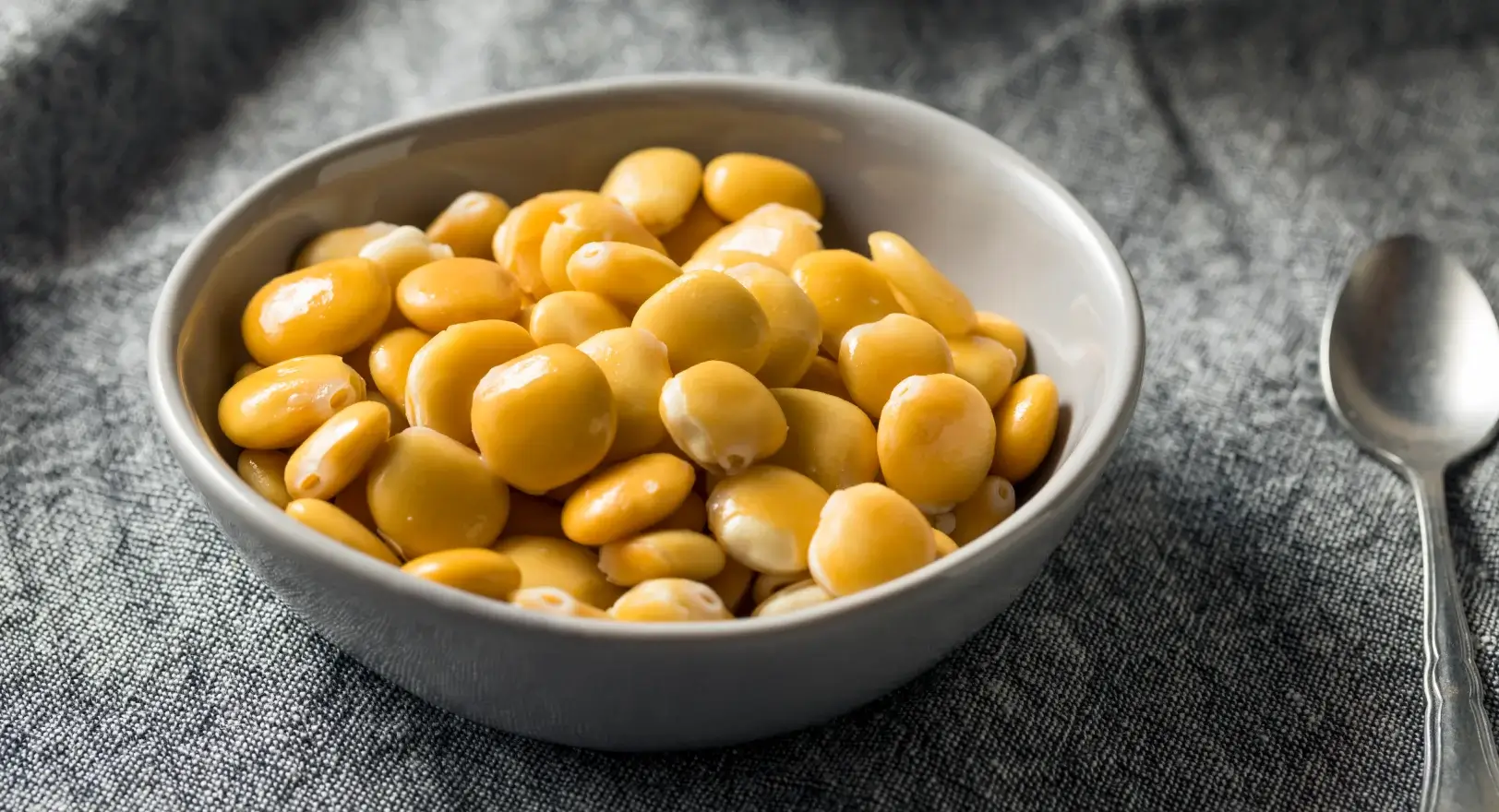
Lupini beans are broad, flat legumes with a firm, slightly chewy texture and a mild, nutty flavor. They’re traditionally eaten as a snack in Mediterranean countries, where the beans are soaked and cooked before brining. You can also add them to salads, grain bowls, vegetable dishes, dips and spreads.
Today, they’re especially popular in Mediterranean and Middle Eastern cuisines, while sweet varieties have helped make them more widely available as a packaged snack.
Mayocoba beans
Where they’re grown: Peru, Mexico and the United States. They’re especially popular in the Mexican state of Jalisco, where they’re used in traditional dishes.
When they’re in season: Late summer or early fall. Since they’re picked after drying inside their pods and sold dried, they’re shelf-stable and available year-round.
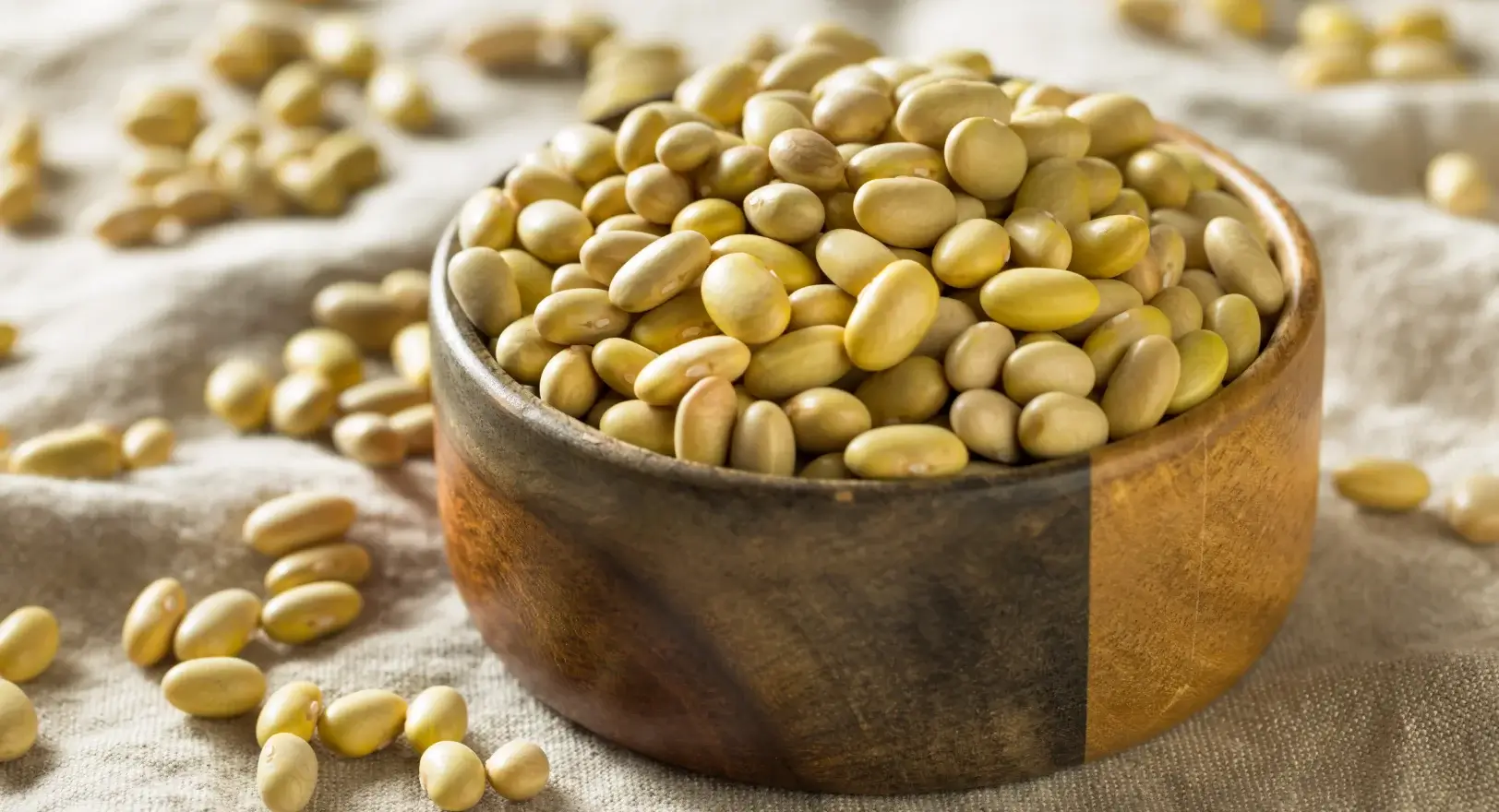
Mayocoba beans are large, oval-shaped legumes with thin skin, a meaty interior and a mild flavor. They’re also known as canary or Canario beans, Mexican yellow beans and Peruvian beans. Their creamy texture and subtle taste make them a versatile ingredient, and they’re often put in ham, potato and kale soups.
They’re also commonly used as a meat alternative in South American cuisine. These legumes are particularly popular in Mexican cooking, where they’re used in traditional dishes such as refried beans and charro beans.
Cranberry beans
Where they’re grown: Colombia and the Lucca region
When they’re in season: Fresh cranberry beans are typically available in late summer and fall. Dried cranberry beans are available year-round.
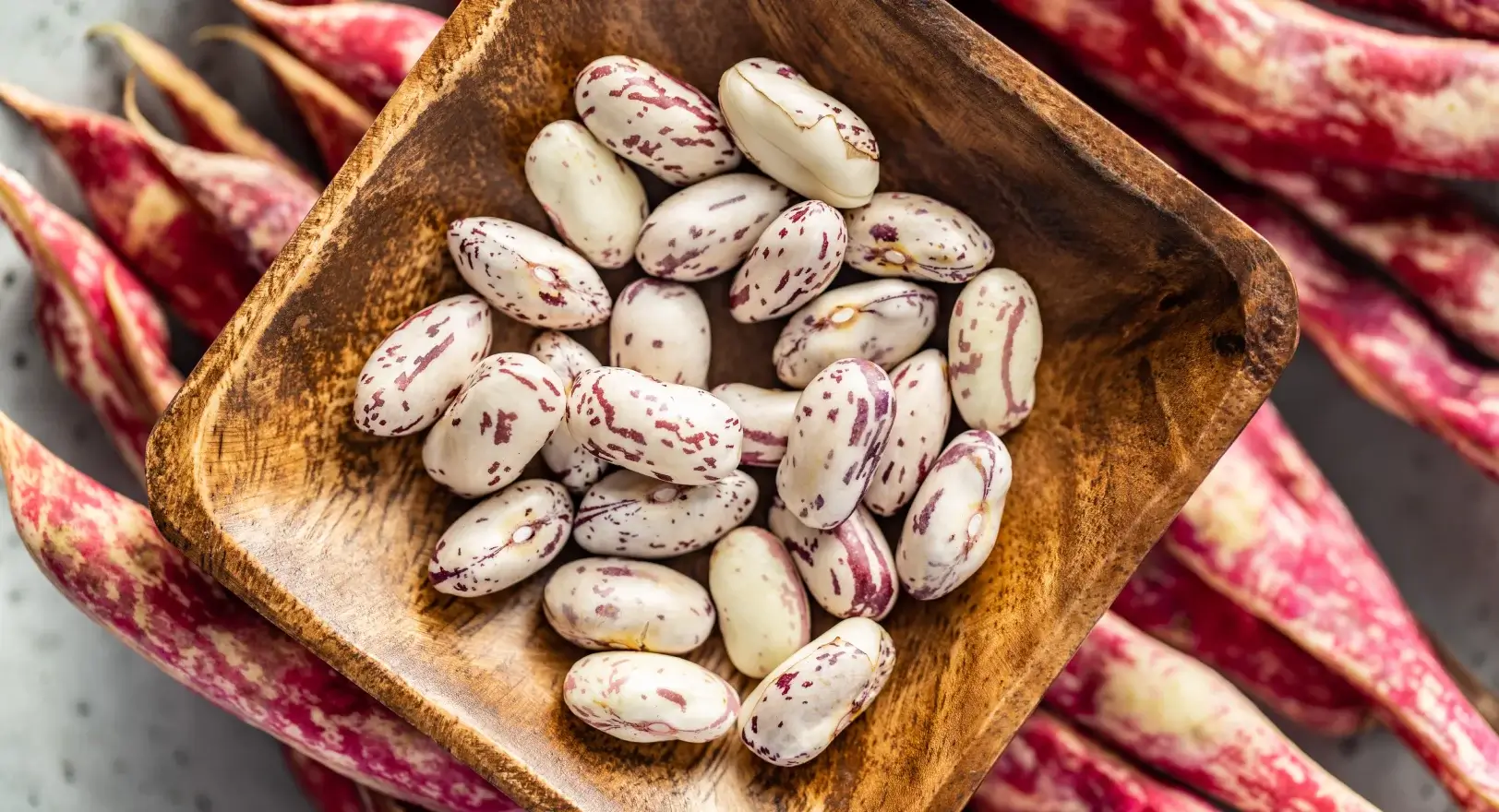
Cranberry beans are a type of white bean named for the cranberry-colored splotches on their pods and seeds. They’re also known as Roman, Saluggia, Gadhra, Rosecoco and Borlotti beans.
Unshelled cranberry beans look similar to pinto beans but have a milder, creamy flavor that pairs especially well with herbs. Their red markings fade as fresh beans cook, leaving them dark brown to magenta depending on their freshness. They’re a staple in Italian dishes such as pasta e fagioli and also work well in chili, soups, pasta and baked beans.
Fresh cranberry beans are harvested in late summer and fall after growing through the warmer months, while dried beans can be stored and enjoyed all year.
Edamame
Where they’re grown: East Asia and the United States
When they’re in season: July through mid-October, depending on the climate. Frozen edamame is available year-round.
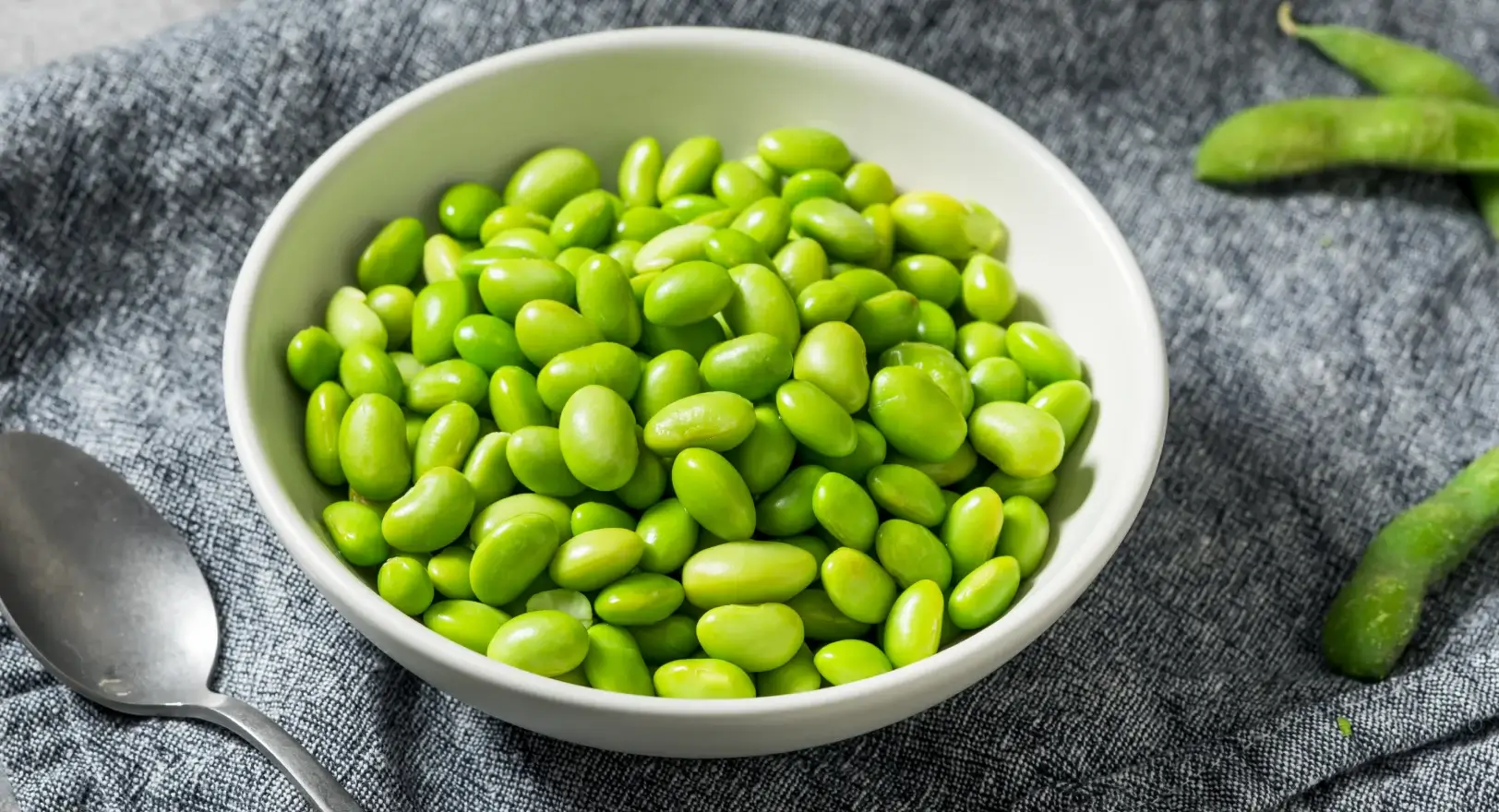
Edamame are immature green soybeans, making them legumes even though they’re often treated like a vegetable. They have a mild, slightly sweet flavor and can be bought fresh or frozen, shelled or in their pods. Boil, steam, pan-sear, stir-fry or microwave them, then season with salt for an easy snack or appetizer. Edamame is also commonly served in its pod alongside East Asian dishes, with the beans squeezed or sucked out before the pod is discarded.
These beans have been cultivated in China for more than 7,000 years, although the name edamame comes from Japan, where the beans were traditionally sold attached to their stems. Edamame was introduced to the United States in the mid-1800s, but it became widely familiar to American shoppers much later.
If you’re buying fresh edamame, eat it within a day or two for the best flavor, since it loses freshness quickly.
Black-eyed peas
Where they’re grown: Africa and other warm climates around the world. They’re especially associated with Southern U.S. agriculture and cooking.
When they’re in season: Late summer and early fall. Dried and canned black-eyed peas are available year-round.
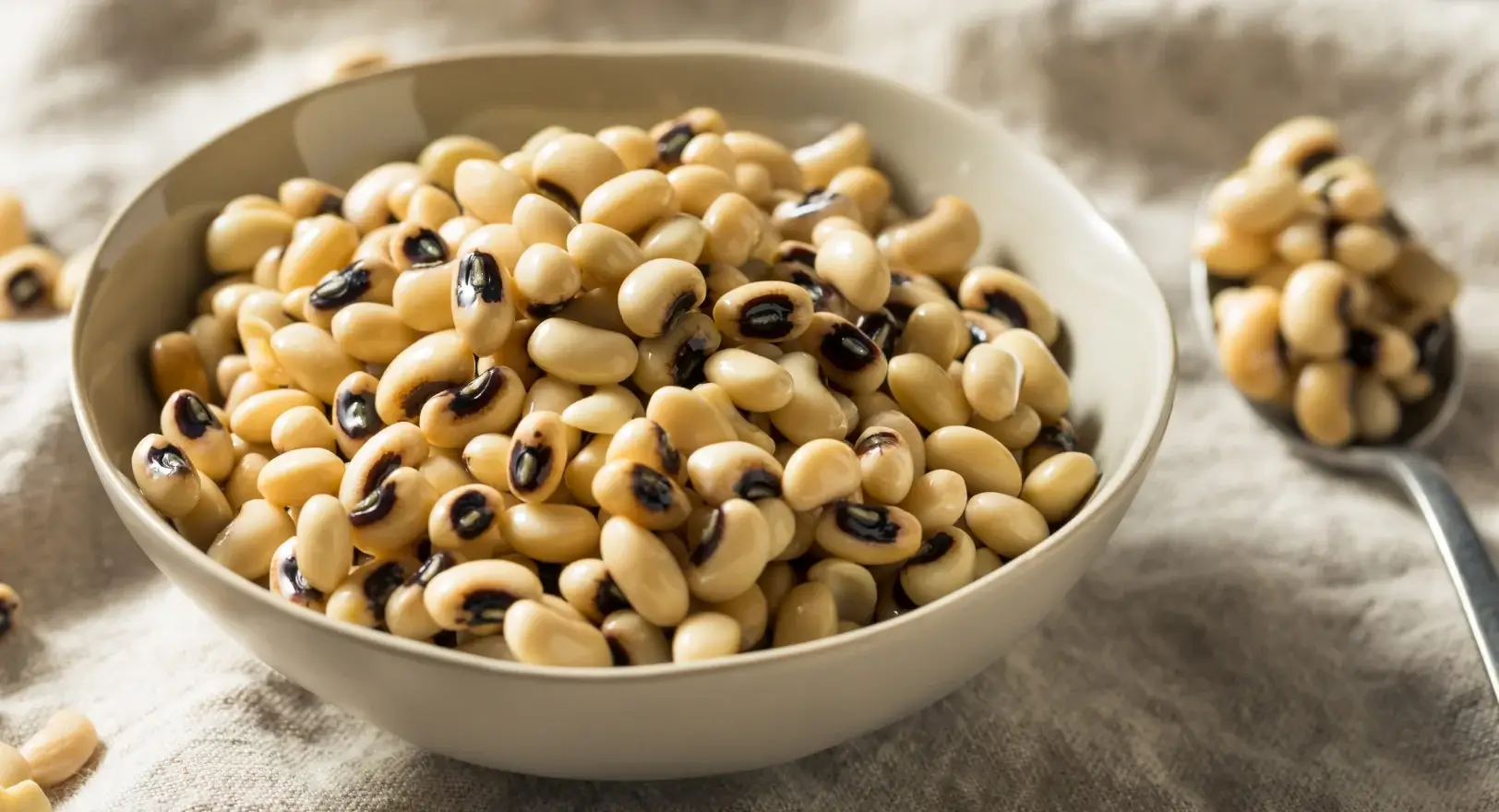
Black-eyed peas are a variety of cowpea, making them a legume rather than a true pea. They’re also known as goat peas, Southern peas and California blackeyes.
These peas are easy to recognize by their pale cream color and distinctive black spot. Their flavor is similar to white beans but earthier, with a dense, creamy texture. They’re especially popular in Southern cooking, where they’re often served with collard greens and traditionally eaten on New Year’s Day for good luck.
For fresh black-eyed peas, look for tender, unblemished pods or plump, fresh-looking shelled beans. Dried beans should be evenly colored and plump, without holes, wrinkles or extensive blemishes.
Jacob’s Cattle beans
Where they’re grown: New England and Canada.
When they’re in season: Late summer and early fall. Dried Jacob's Cattle beans are available year-round.
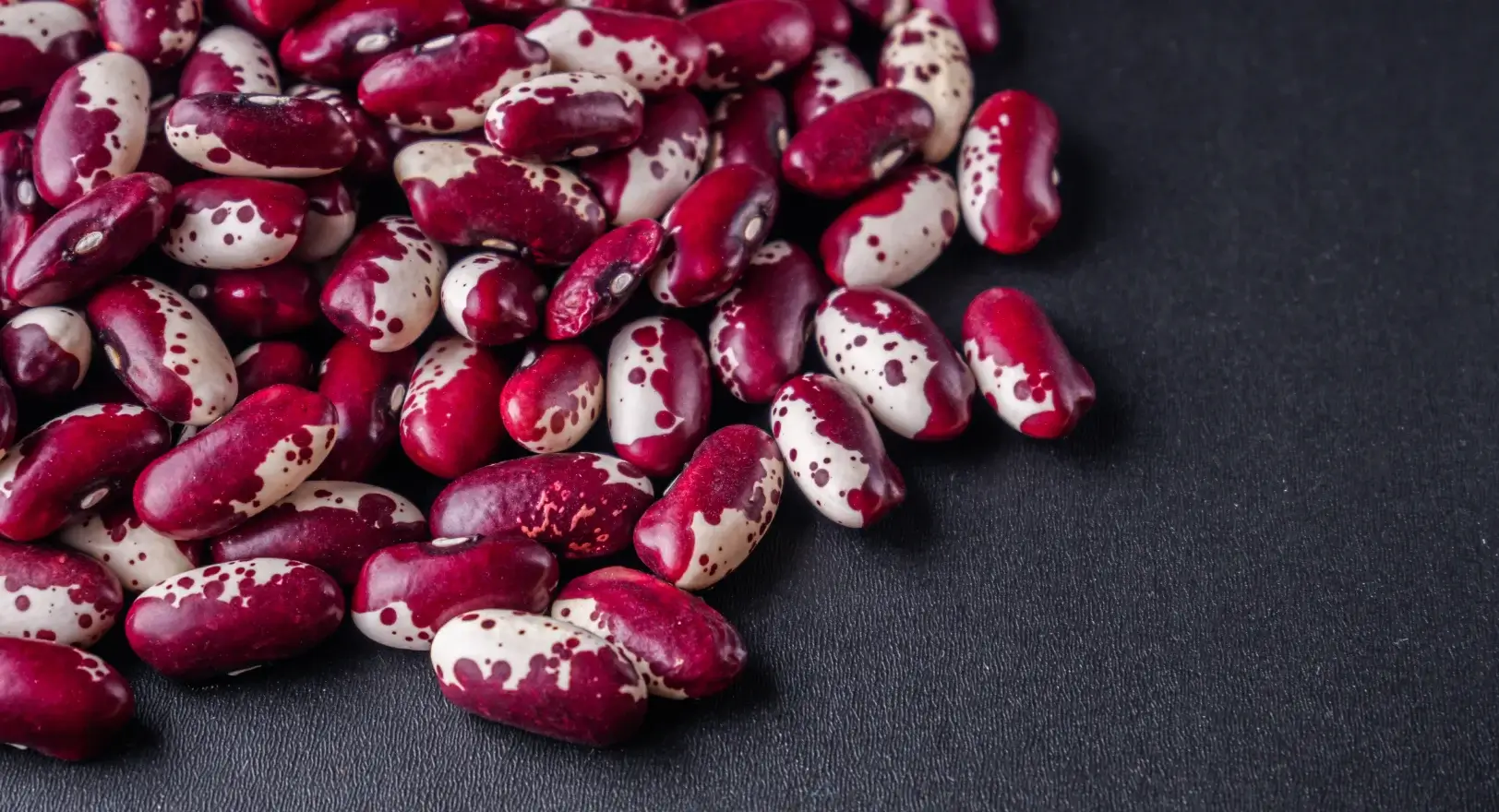
Jacob's Cattle beans are a medium-sized heirloom bean with a creamy white background and distinctive burgundy-red markings. They’re also known as Trout beans or Appaloosa beans, depending on the variety. Their creamy texture and mild, earthy flavor make them especially well-suited to hearty dishes where they can absorb the flavors of the other ingredients.
These beans are a natural fit for soups, chili and baked beans, but you can also use them in dishes such as polenta or grain bowls.
Order beans with Instacart
Keep your pantry stocked with the beans you already love, or use your next Instacart order as an excuse to try something new.
Find different bean varieties in the app or online. Then explore more bean recipes and ideas when you’re ready to put them to work.