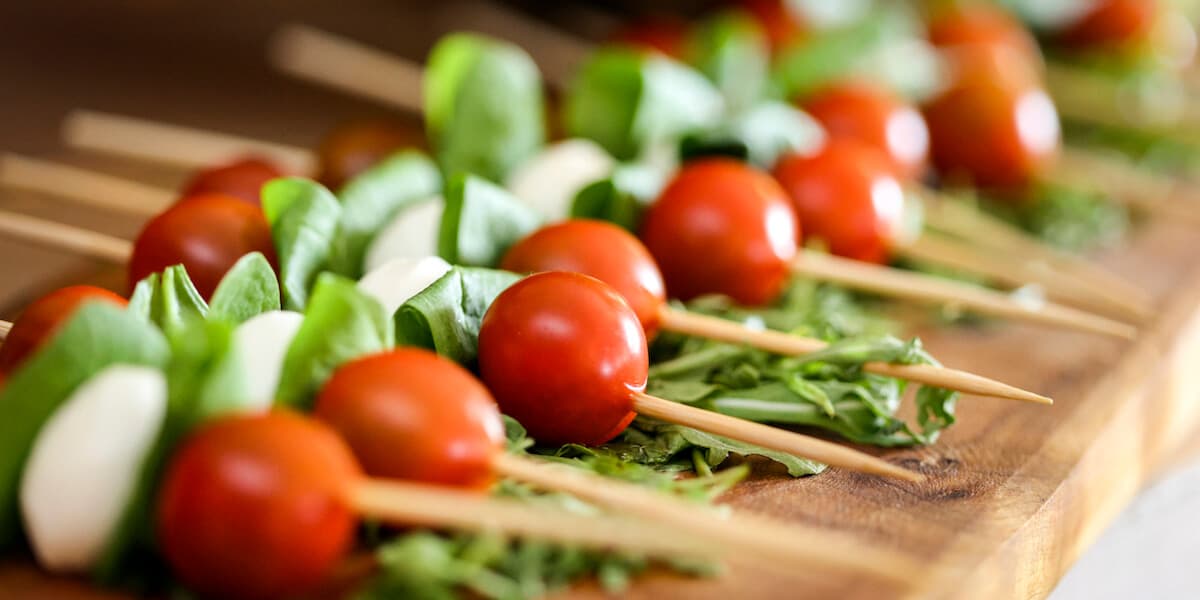
Summer vegetables hit their peak flavor during the warmer months, making it a great time to cook with fresh, seasonal produce. Fresh seasonal produce makes every meal better, from backyard BBQs to quick weeknight dinners.
Knowing what's in season helps you find the freshest produce and get more out of every meal. To help, here's your summer vegetables list, featuring 32 in-season picks, recipe ideas and cooking inspiration to get the most out of the season.
What are summer vegetables?
Summer vegetables are crops that reach their peak between June and August across most of the United States. Vegetables in season during summer tend to be warm-weather varieties that need heat and sunlight to fully develop - think tomatoes, corn, zucchini and peppers, rather than cool-season staples like broccoli or Brussels sprouts.
Best summer vegetables for grilling
Here are some summer vegetables that hold up well to high heat and take on a smoky, caramelized flavor on the grill. Pair them with some ripe summer fruits for a complete seasonal spread.
Vegetable | Grilling tip |
Corn | Grill in the husk for 15-20 minutes, turning occasionally |
Eggplant | Slice into rounds, brush with olive oil, grill 4-5 minutes per side |
Zucchini | Halve lengthwise, grill 3-4 minutes per side |
Bell peppers | Quarter and grill skin-side down until charred, about 5-6 minutes |
Summer squash | Slice lengthwise, grill 3-4 minutes per side |
Okra | Thread on skewers whole, grill 5-7 minutes |
1. Corn
Best for: Grilling on the cob, adding to salads or making soups and chowders
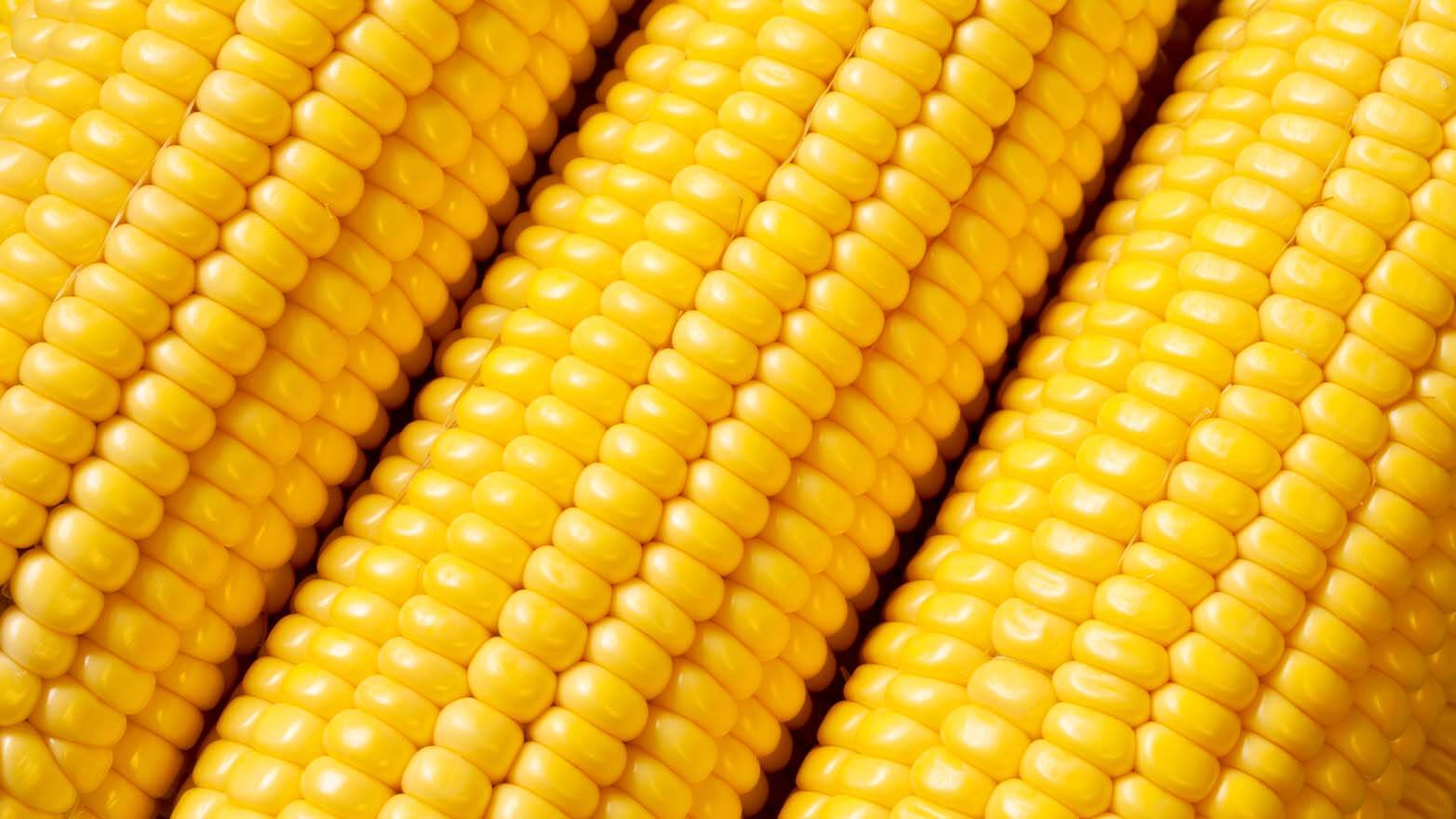
Corn was first cultivated in what is now southern Mexico, with origins dating back roughly 9,000 years. Over the years, corn has gone from a wild grain to a staple crop used for things like tailgates to backyard cookouts. Enjoy your corn right off the cob or make a corn salad with lime juice, cherry tomatoes, feta cheese and cucumber.
Recipe suggestions:
2. Eggplant
Best for: Grilling, roasting, making eggplant Parmesan or adding to curries and stews
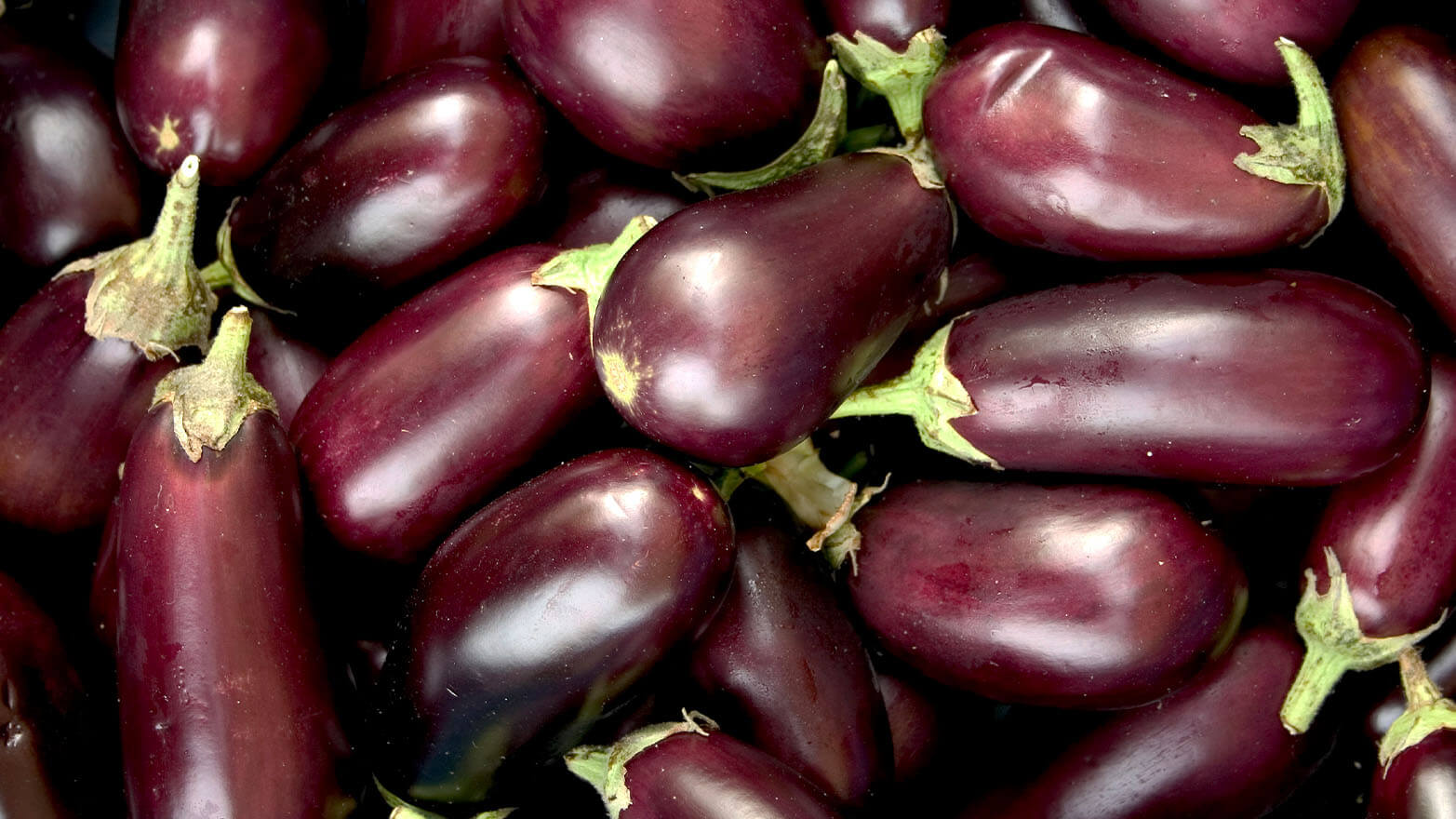
With its mild flavor and spongy texture, eggplant absorbs whatever you cook it with, making it a highly adaptable summer vegetable. Try it Mediterranean-style in this simmered eggplant, bell pepper and tomato stew, or bake your eggplant and add a bulgur filling to taste.
Recipe suggestions:
3. Zucchini
Best for: Grilling, roasting with garlic and Parmesan, spiralizing into noodles or baking into breads and muffins
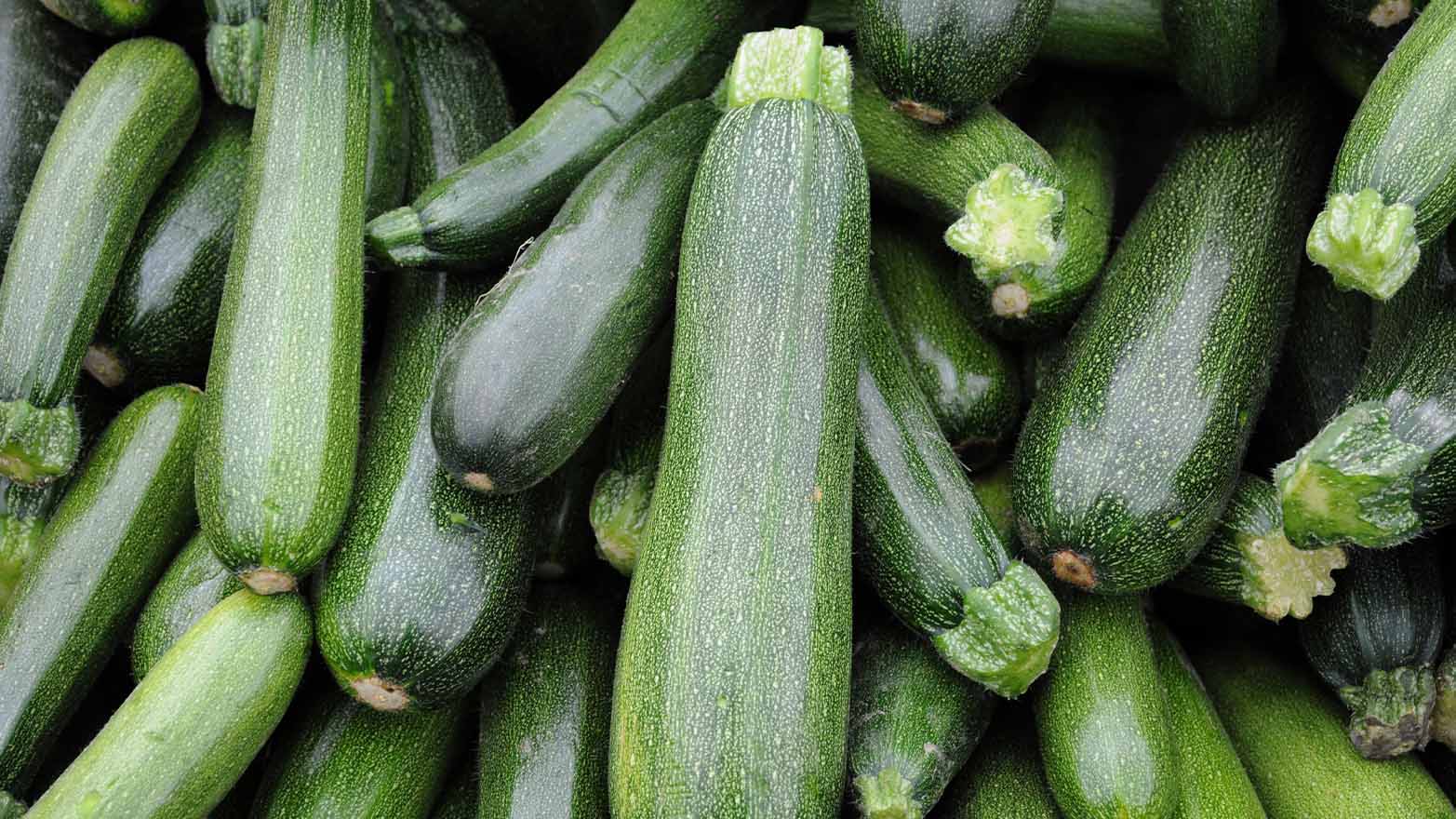
Zucchini is one of the most abundant summer vegetables, peaking in July and August when it's at its most tender. Roast it with garlic and Parmesan, spiralize it into a base for pesto chicken or halve it and top with mozzarella and ricotta for a simple low-carb meal.
Recipe suggestions:
4. Bell peppers
Best for: Roasting, stuffing, stir-frying or eating raw with dips
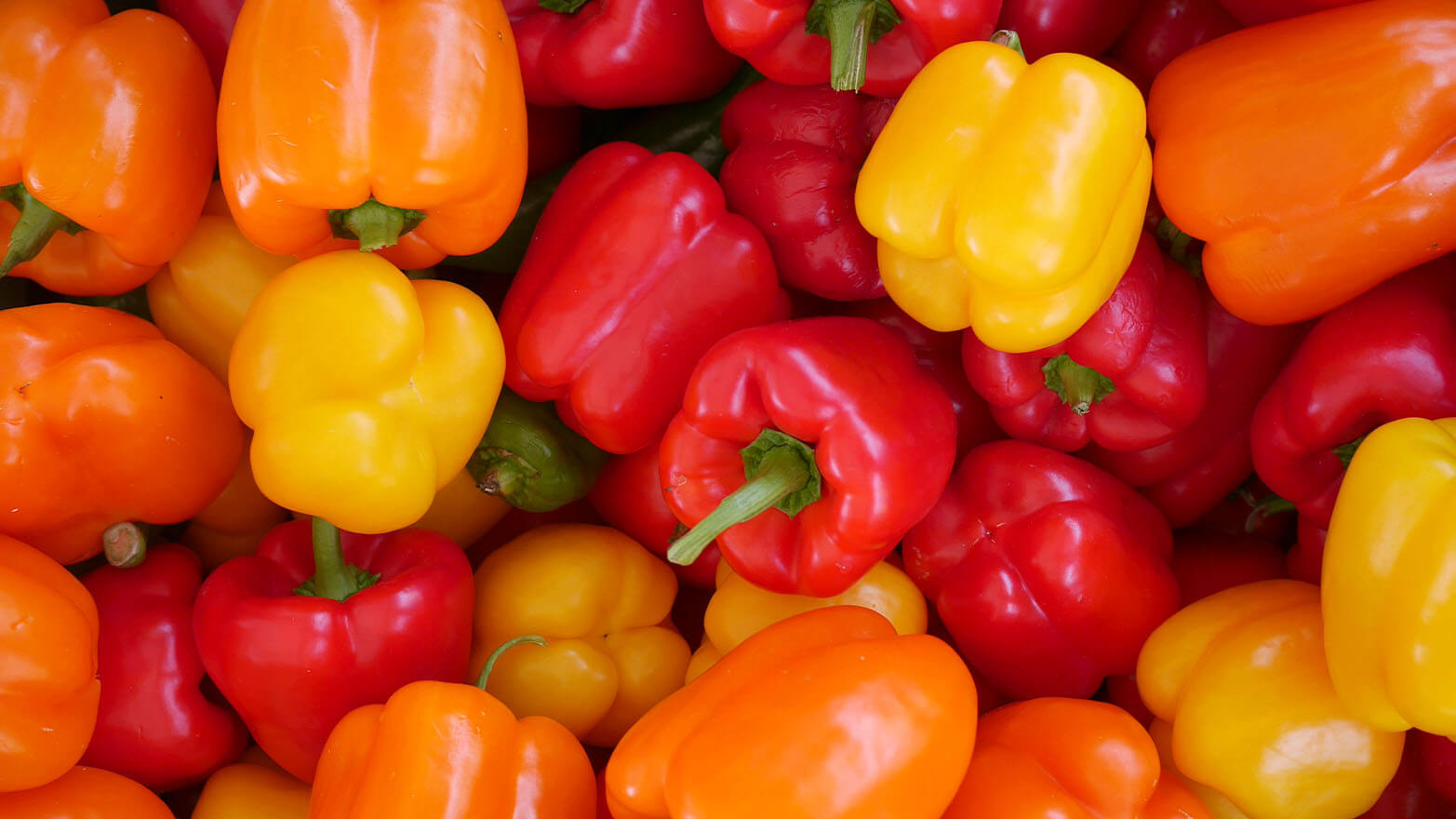
Bell peppers form part of the Grossum cultivar group and come in shades of red, green, purple, yellow and white. Some fun ways to use them include making a corn and bell pepper pizza for a quick meal or stuffing the peppers with pepper steak for an appetizer.
Recipe suggestions:
5. Okra
Best for: Grilling on skewers, frying or adding to gumbos and stews
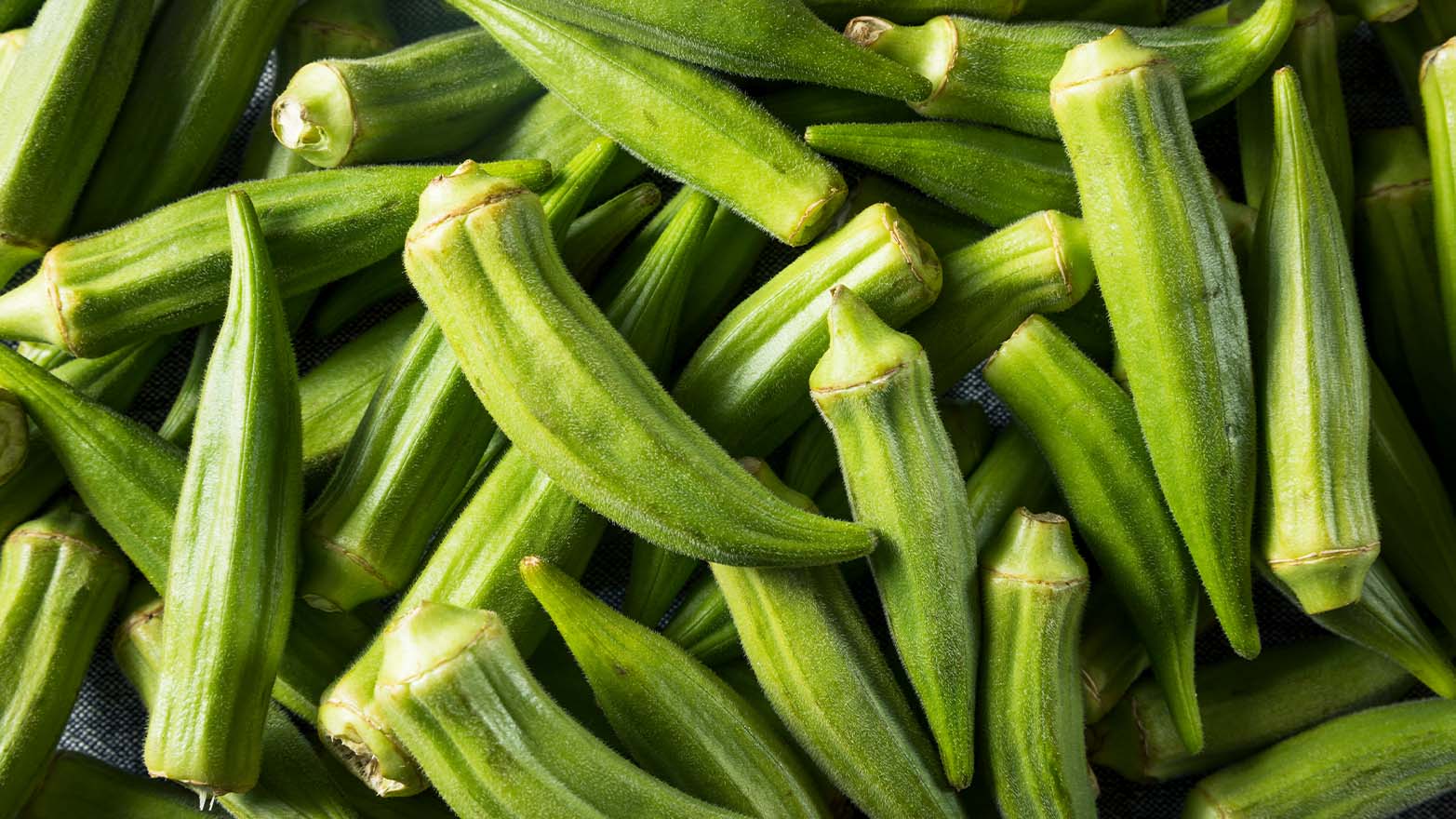
Okra gets its signature thick texture from a natural compound called mucilage, which makes it a natural thickener for gumbos and stews. Enjoy okra with your favorite flavor of sausage and corn. Or braise chicken with the okra and serve it with olives and caramelized lemon for extra zing.
Recipe suggestions:
6. Mushrooms
Best for: Grilling as a burger substitute, sautéing with garlic or stuffing and baking
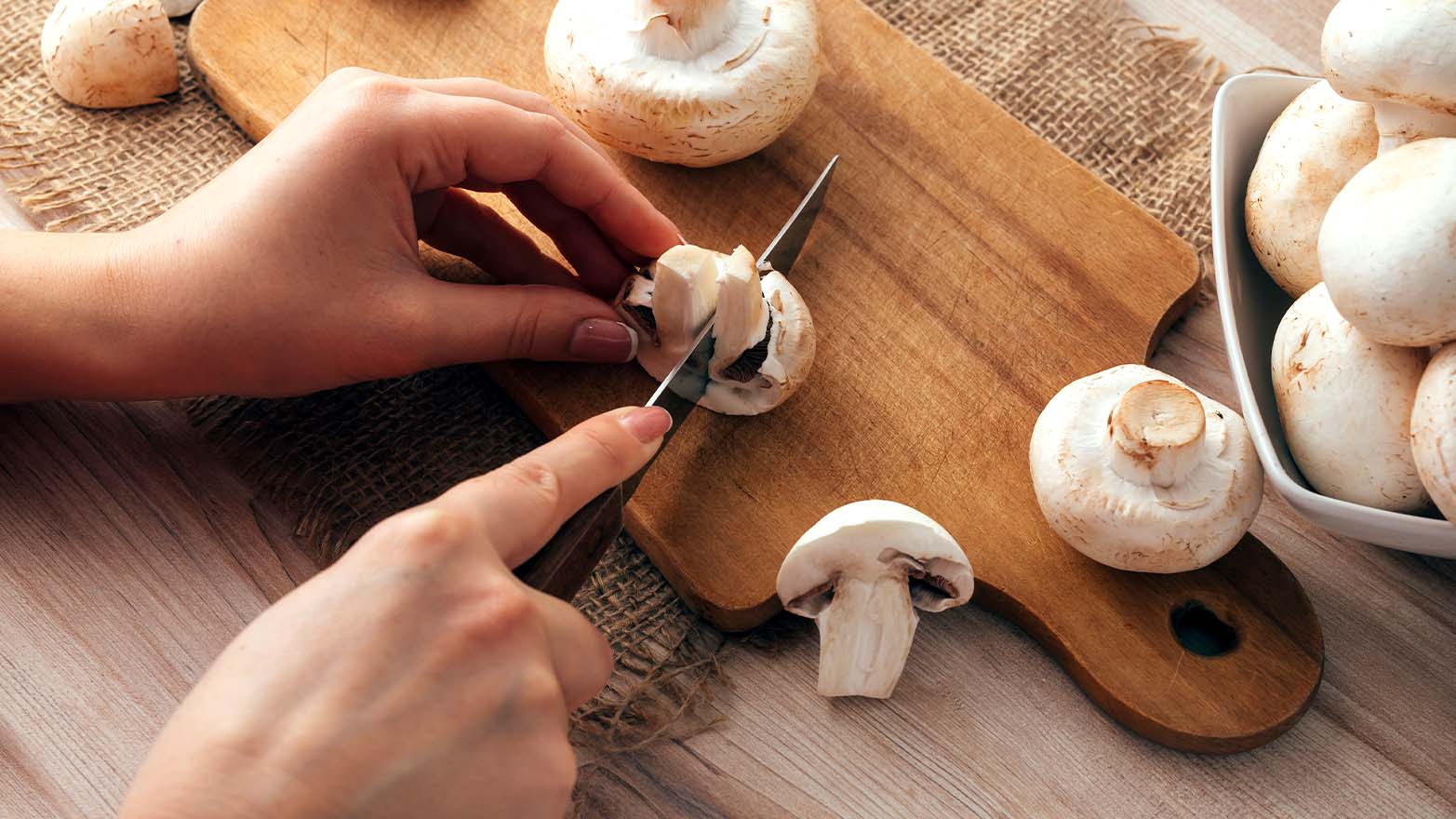
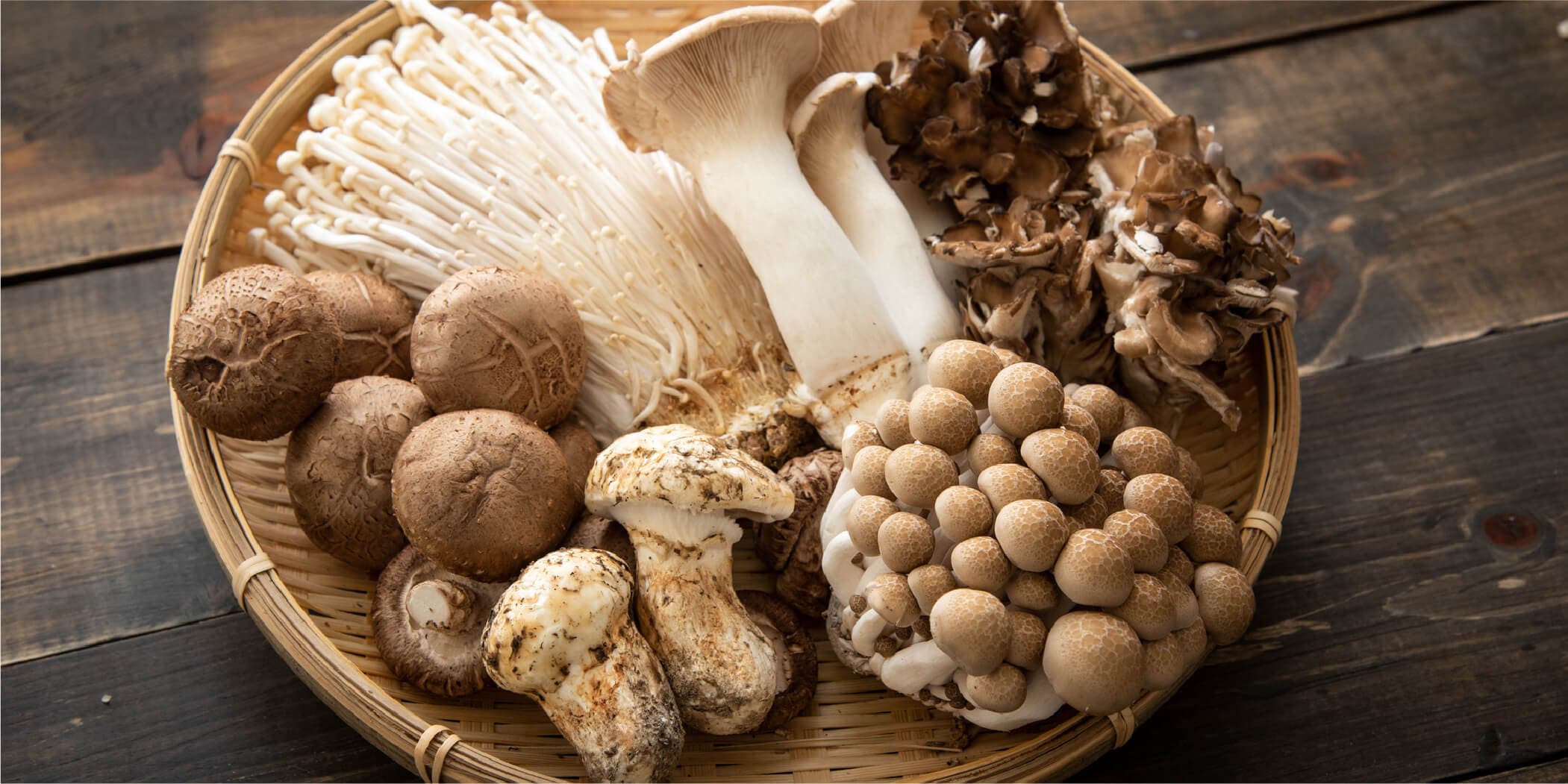
Portobello mushrooms have a meaty texture and rich, earthy flavor that holds up well to high heat. Try them topped with onion jam, lettuce, and a yogurt-and-horseradish sauce for a satisfying summer meal.
Recipe suggestions:
7. Green onions
Best for: Garnishing fried rice, grilling whole or using raw as a finishing touch on soups and tacos
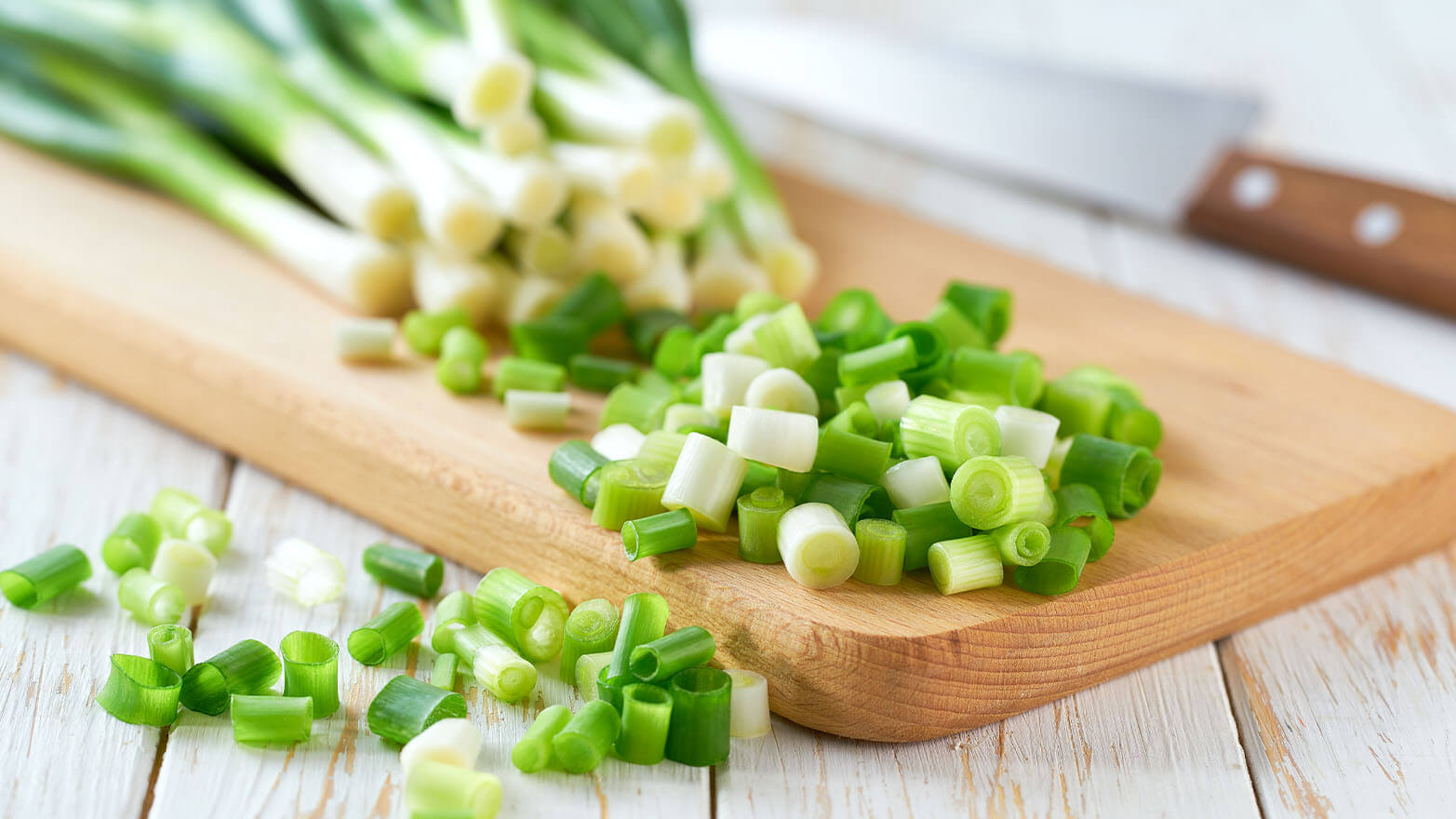
Also known as scallions or spring onions, green onions are part of the allium genus. Related to garlic, leeks and chives, green onions taste milder than white onions. Green onions are the perfect final touch to garnish fried rice.
Recipe suggestions:
Best summer vegetables for roasting
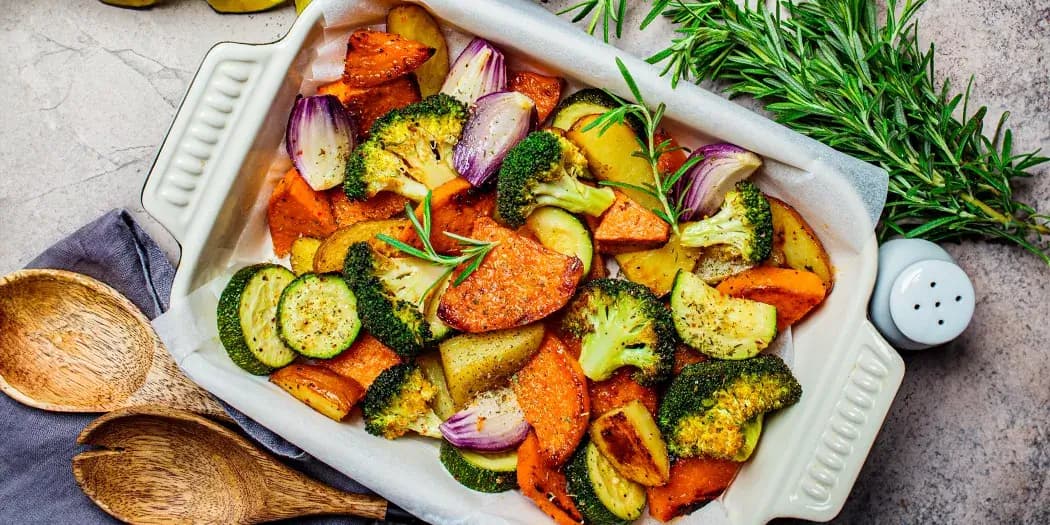
Roasting concentrates the natural sugars in summer vegetables, bringing out a deeper, sweeter flavor with minimal effort. A hot oven and a drizzle of olive oil are all you need.
8. Sweet potatoes
Best for: Roasting as a side dish, mashing or baking into pies and casseroles
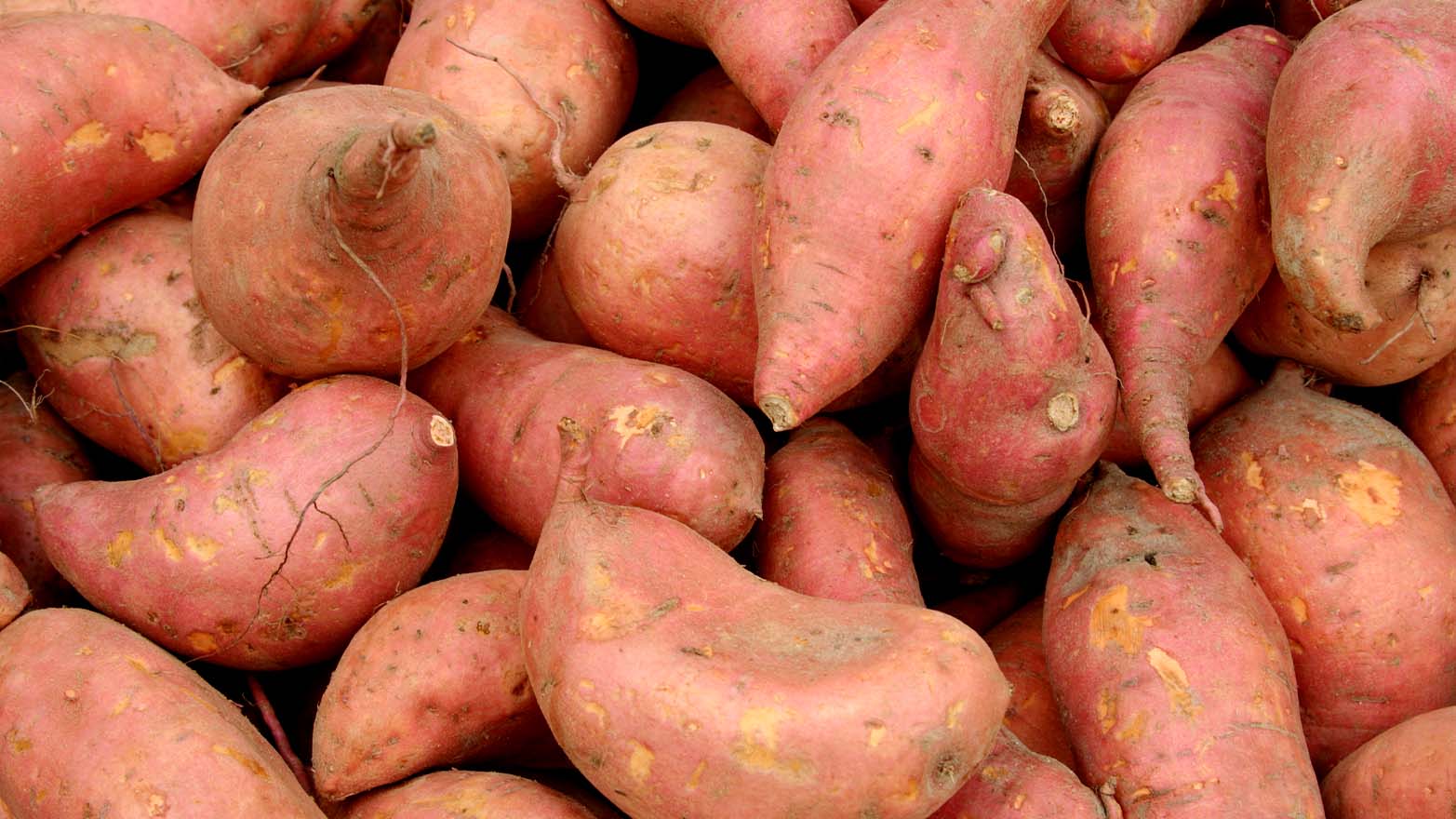
Sweet potatoes have their origin in Central and South America and come from the Convolvulaceae family. Roast your sweet potatoes and serve them as a side dish with peppercorns and cumin to taste. You can also mash your sweet potatoes and serve them with cream or butter or make sweet potato wedges to serve with a yogurt dip.
Recipe suggestions:
9. Beets
Best for: Roasting for salads, blending into smoothies or slicing raw over greens
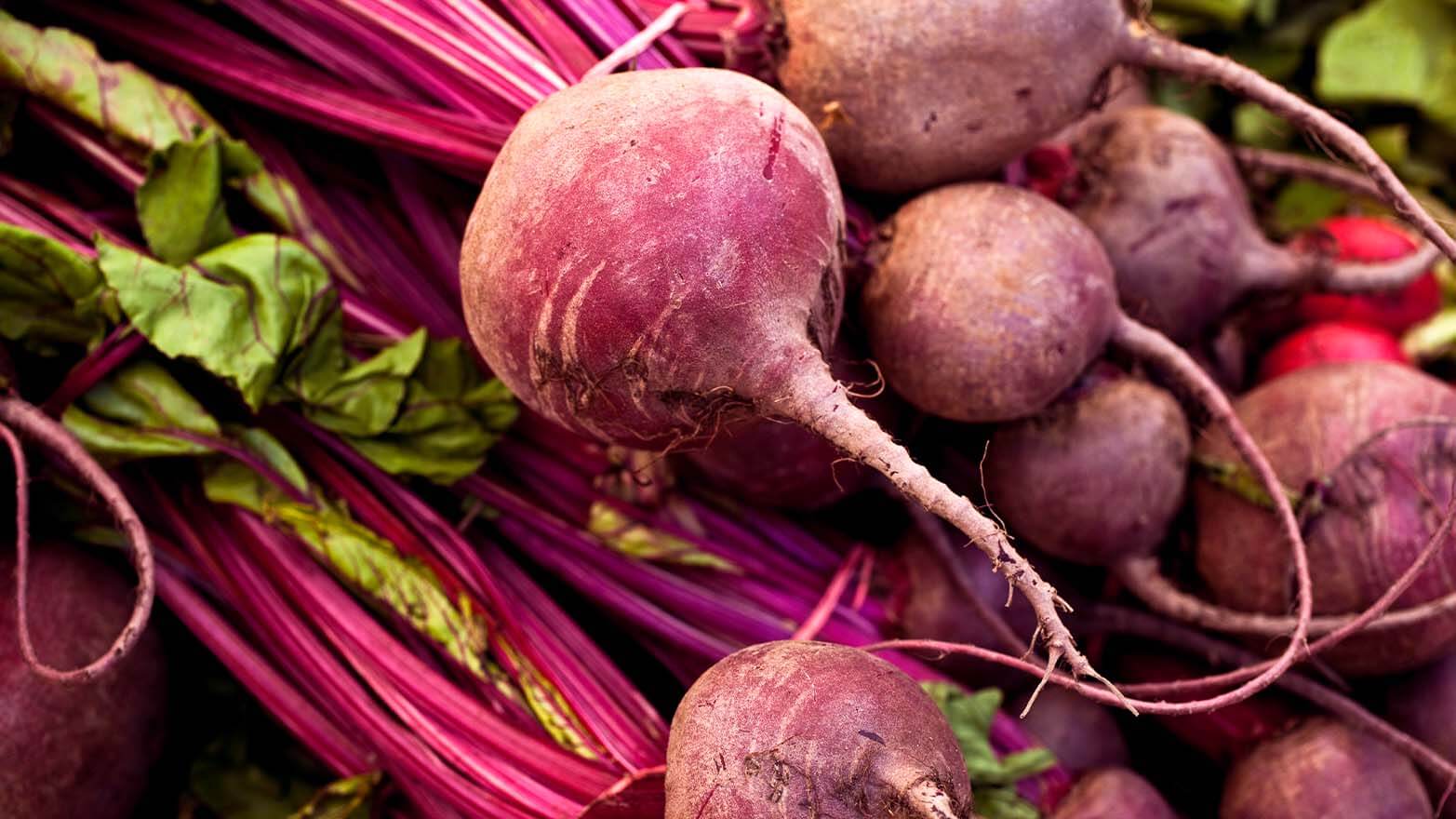
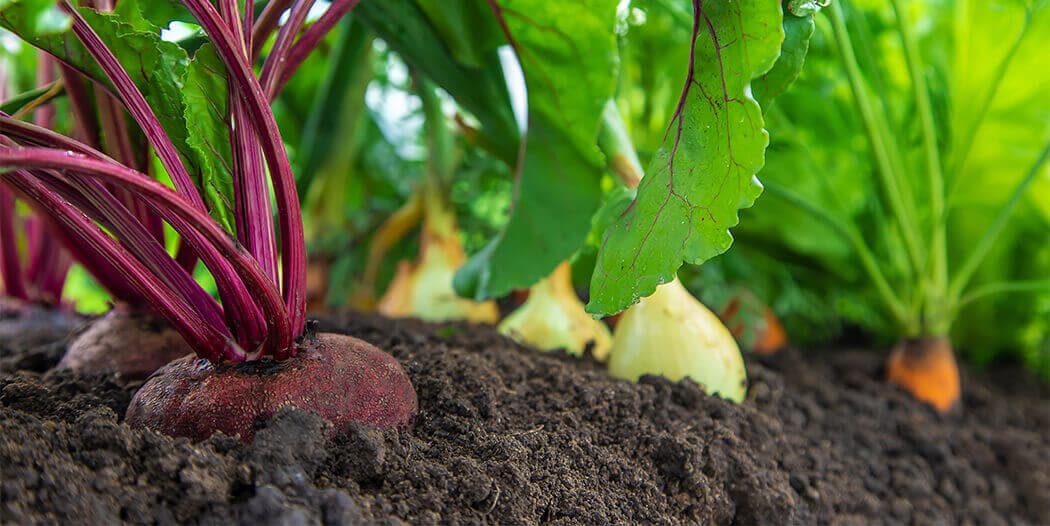
Beetroots, or beets, are root vegetables with vibrant red-purple color and a rich, earthy flavor. They’re also versatile when it comes to cooking - you can boil them, steam them, roast them or eat them raw. A beet salad with arugula and balsamic glaze is a summer classic.
Recipe suggestions:
10. Kohlrabi
Best for: Eating raw in slaws, roasting or adding to hash browns and stir-fries
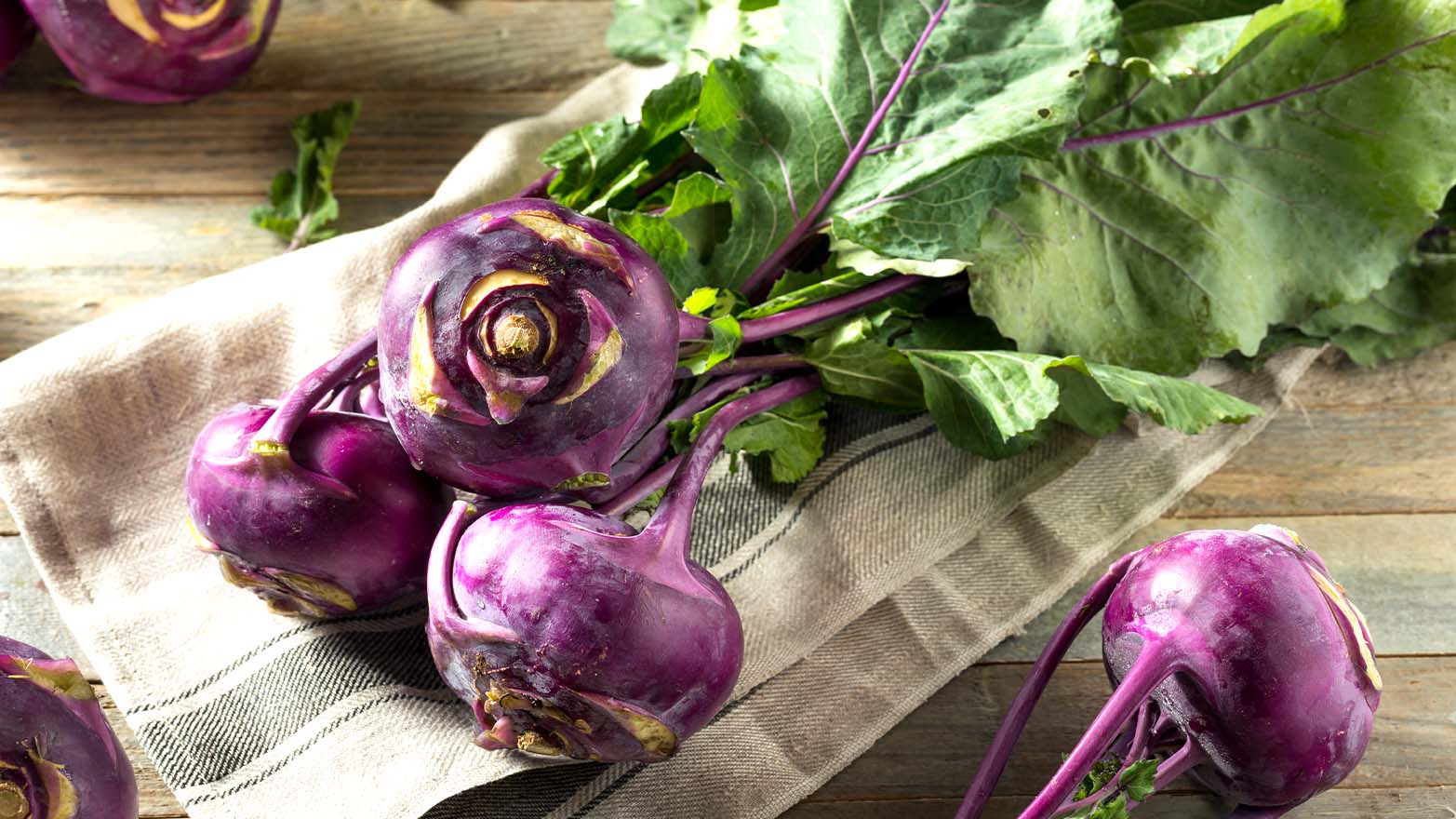
Kohlrabi has European origins and California is currently its biggest producer in the United States. This bulb-shaped veggie can be used in carrot and kohlrabi slaw or to make okra, potato and kohlrabi hash browns. Storing these summer vegetables is simple. Just place them in sealed bags and refrigerate.
Recipe suggestions (add kohlrabi):
11. Carrots
Best for: Shredding into slaws and stir-fries, roasting as a side dish or baking into cakes and muffins
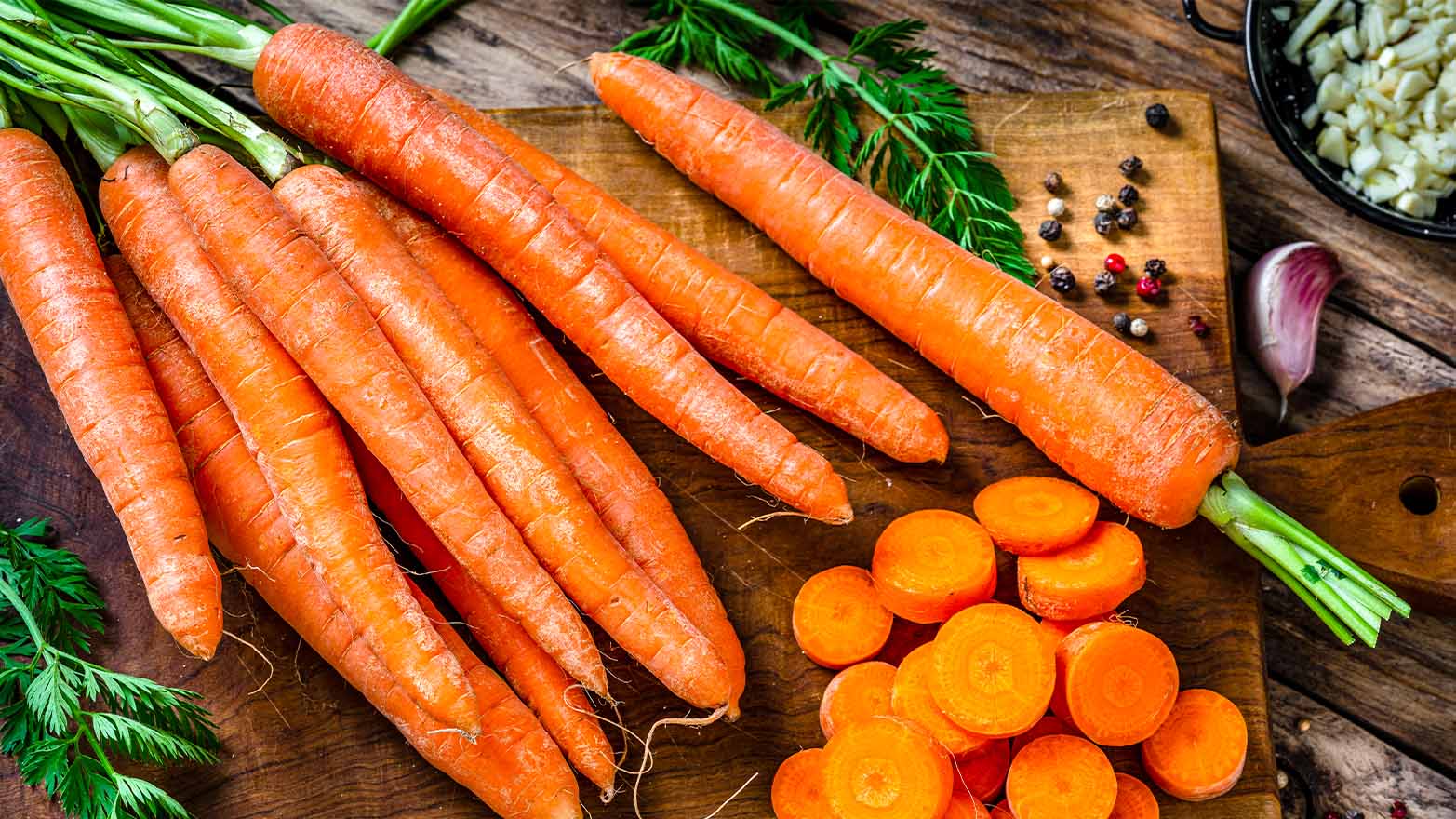
Originally grown in Afghanistan, carrots are root vegetables that come in many colors and varieties. Roast them in the oven as part of a veggie side dish, shred them for a stir-fry or make carrot cake to enjoy at a summer picnic.
Recipe suggestions:
12. Fennel
Best for: Roasting the bulb, shaving raw into salads or using fronds as an herb garnish
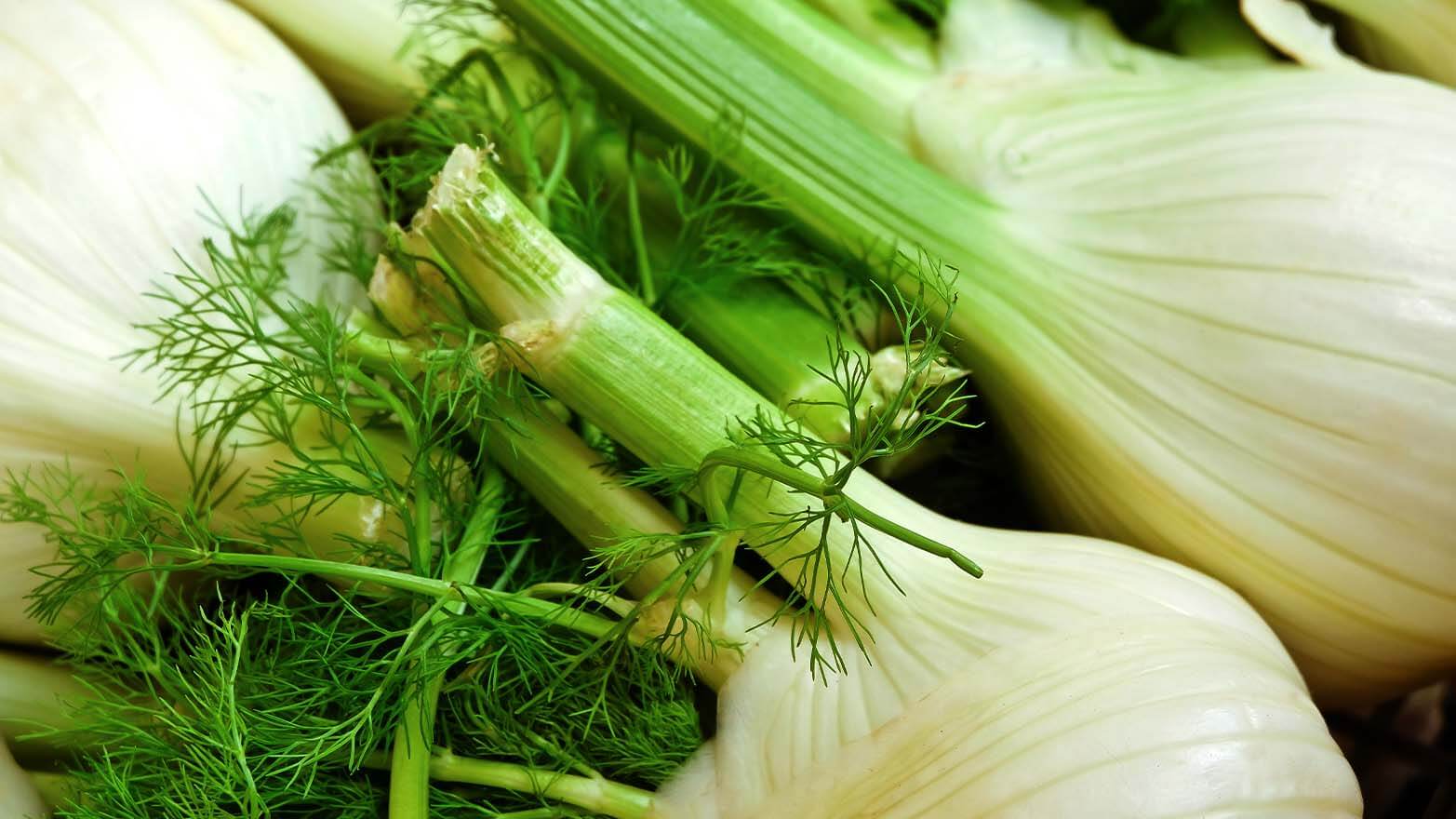
Fennel is an herb that tastes a bit like licorice. You can eat the bulb, stalks and feathery leaves. You may be familiar with using fennel leaves as a salad garnish, but the bulb also makes one of the best roasted summer vegetables. Cut the fennel by quartering the bulb and cutting out the core, then cut the pieces into wedges and roast.
Recipe suggestions:
13. Shallots
Best for: Braising with meats, roasting whole or using as a milder onion substitute in dressings and sauces
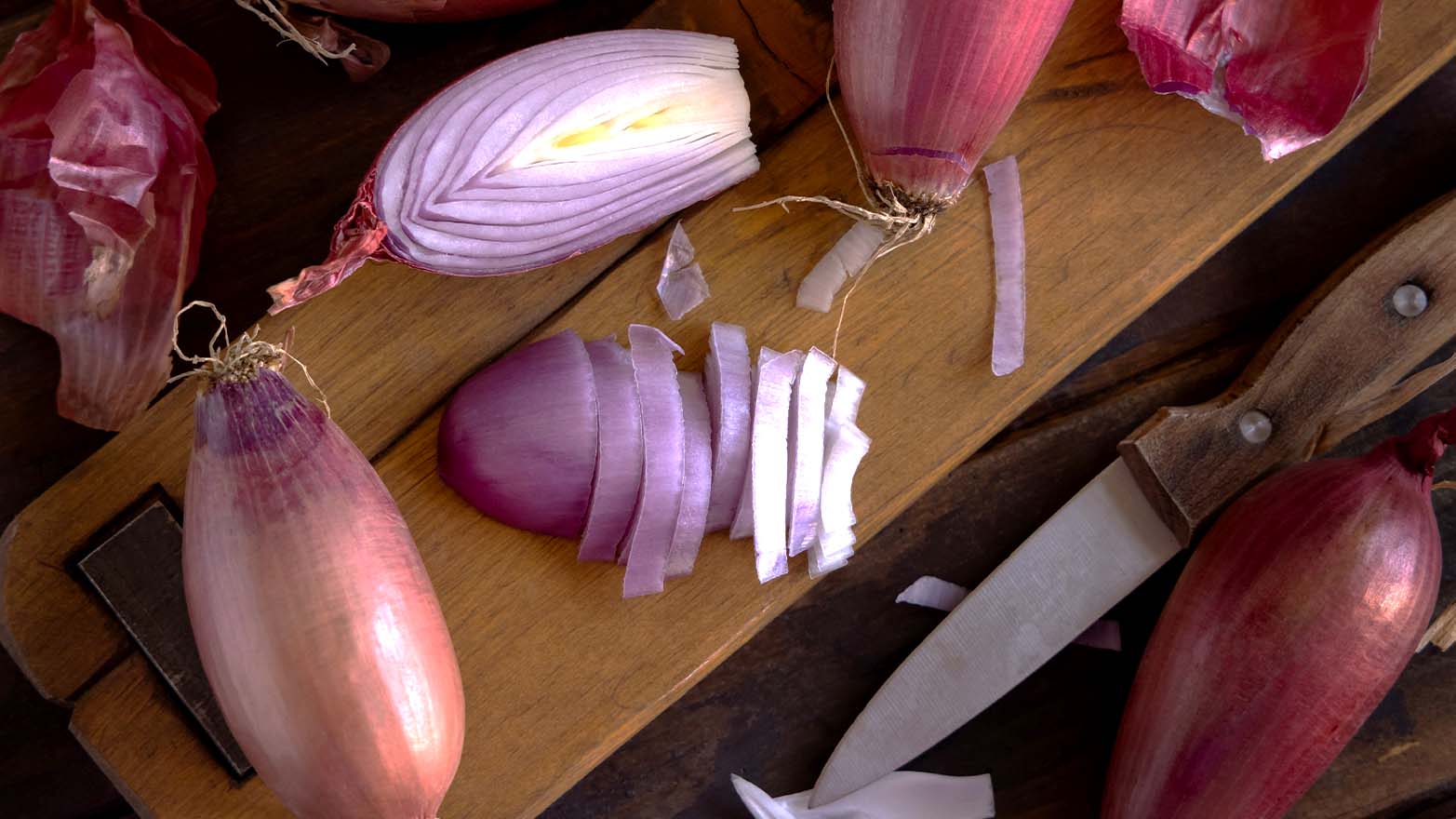
Shallots originated in the Middle East and belong to the species Allium ascalonicum. Braise your meats with shallots for a great savory taste and thicker gravy or roast your shallots and serve with turkey.
Recipe suggestions:
14. Potatoes
Best for: Boiling, mashing, roasting into wedges or making into potato salad for summer gatherings
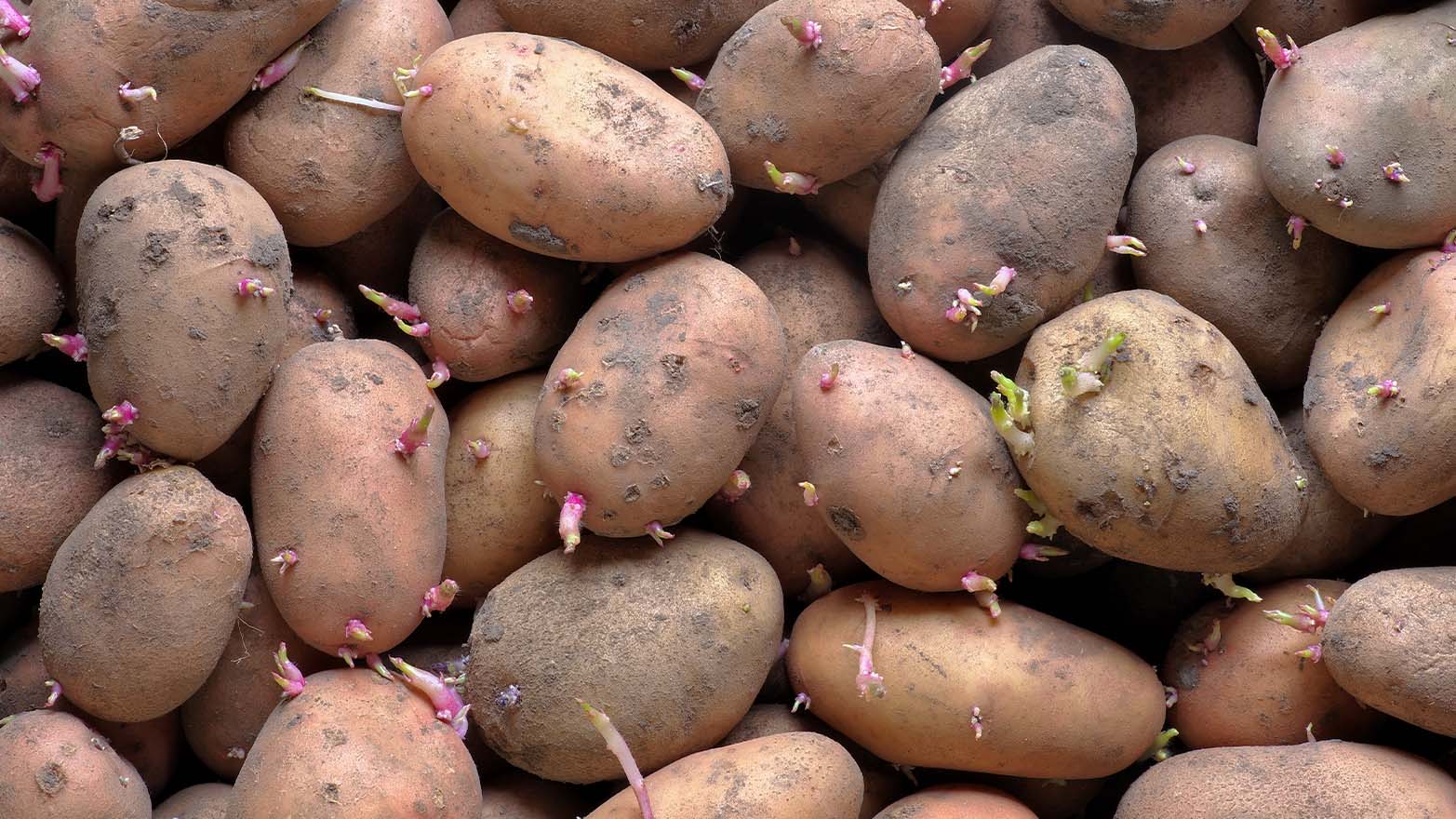
Potatoes are starchy tubers that are not only one of the easiest summer vegetables to grow but are also extremely filling. Make mashed potatoes as a barbecue side, or slice potatoes into wedges for crunchy fries.
Recipe suggestions:
Grab it now on Instacart


Best summer vegetables for soups and stews
Summer vegetables add body, color and fresh flavor to soups and stews and many hold up well to long simmer times without losing their texture.
15. Peas
Best for: Stirring into pastas and risottos, blending into soups or eating fresh as a side
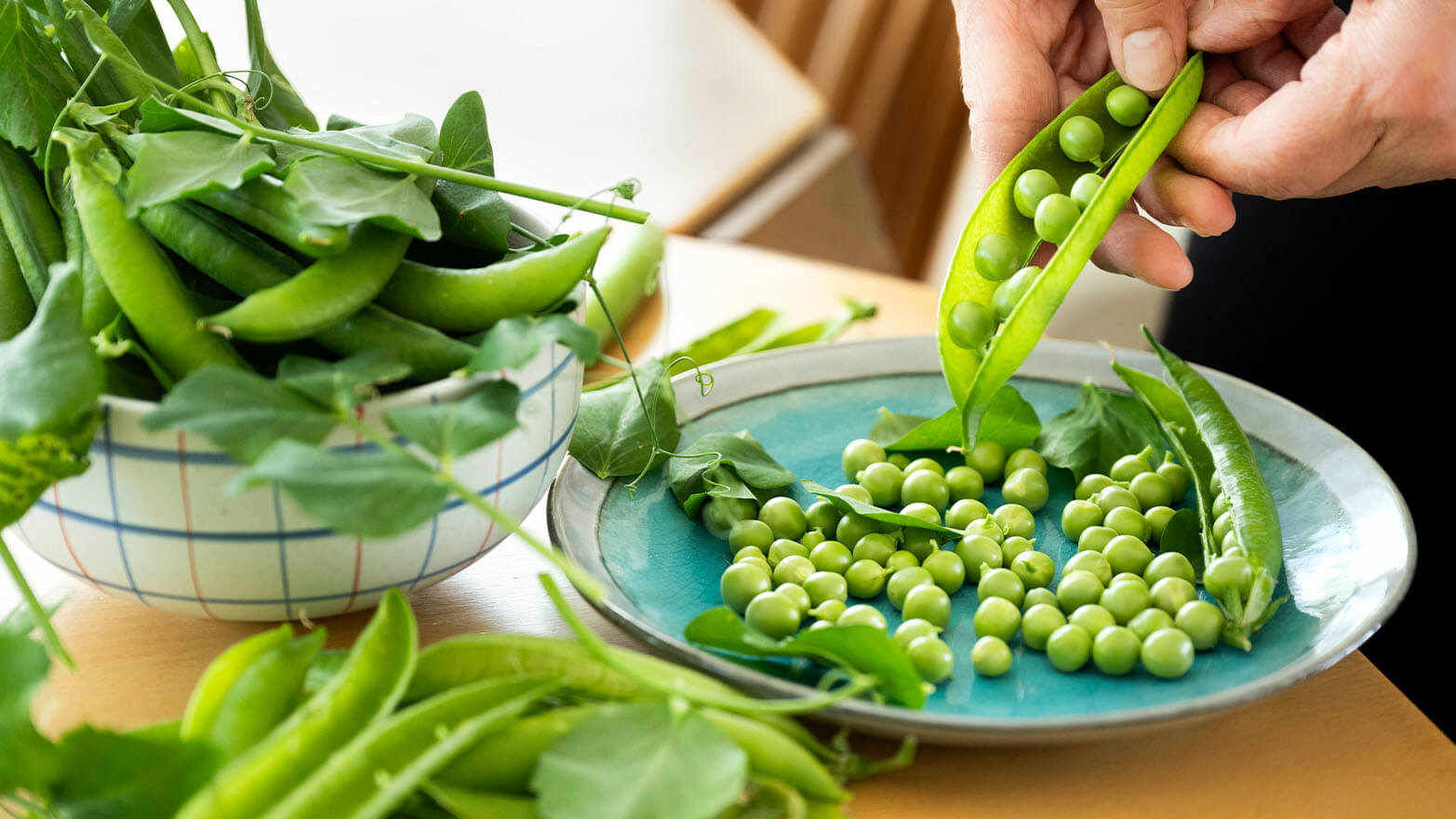
Peas are scientifically referred to as Pisum sativum. They were initially grown in the Mediterranean and Central Asia, before spreading to the rest of the world. Use peas in a summer paella if you’re a seafood lover. Alternatively, you can use them in a summer pea soup or pasta filling.
Recipe suggestions:
16. Green beans
Best for: Blanching, roasting, stir-frying or tossing in salads with vinaigrette
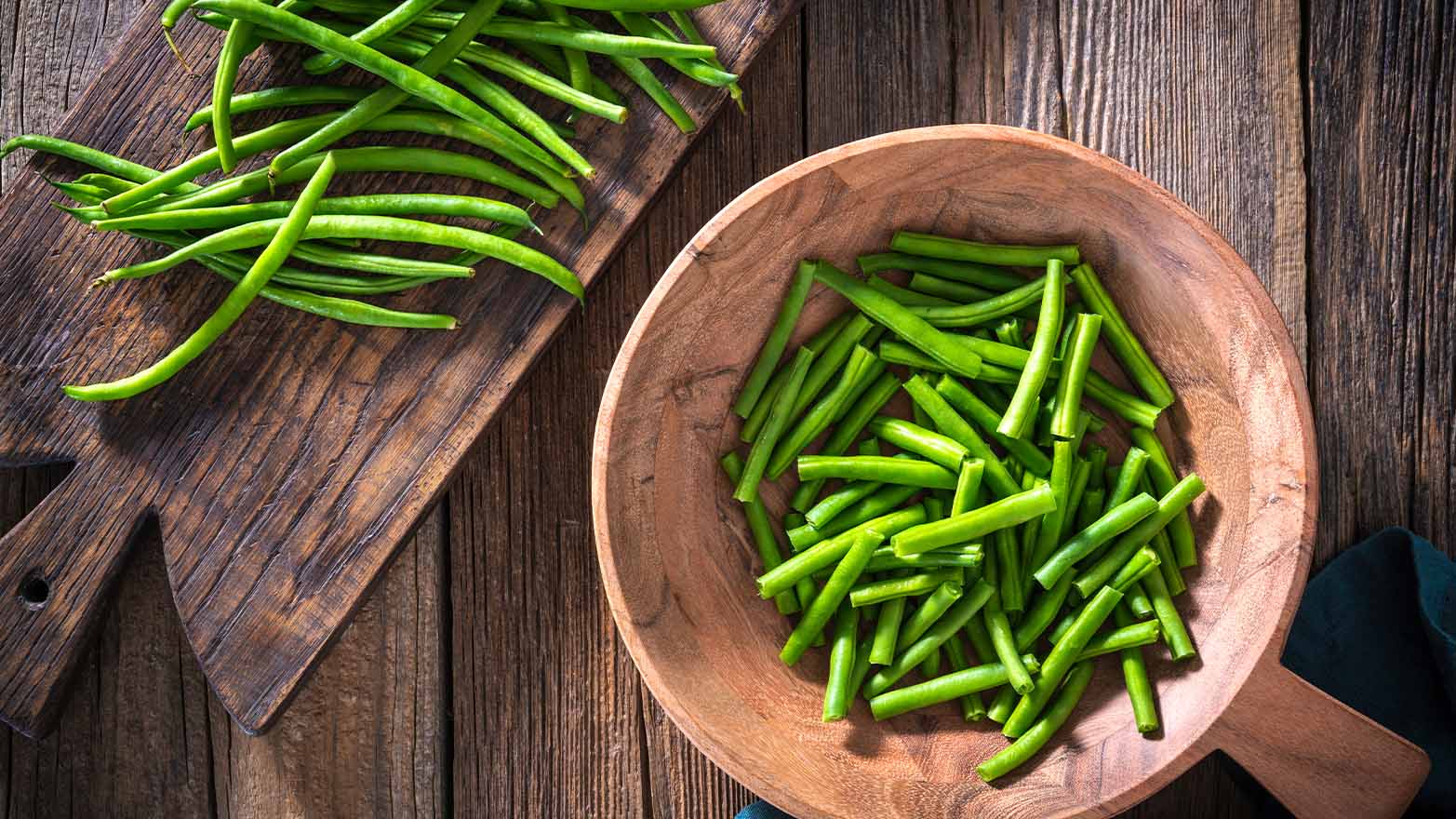
Green beans are native to South and Central America. They belong to the Phaseolus vulgaris species. Make a green bean salad with Parmesan cheese and balsamic vinegar and garnish it with basil.
Recipe suggestions:
17. Swiss chard
Best for: Sautéing with garlic, adding to pastas or using as a spinach substitute in baked dishes
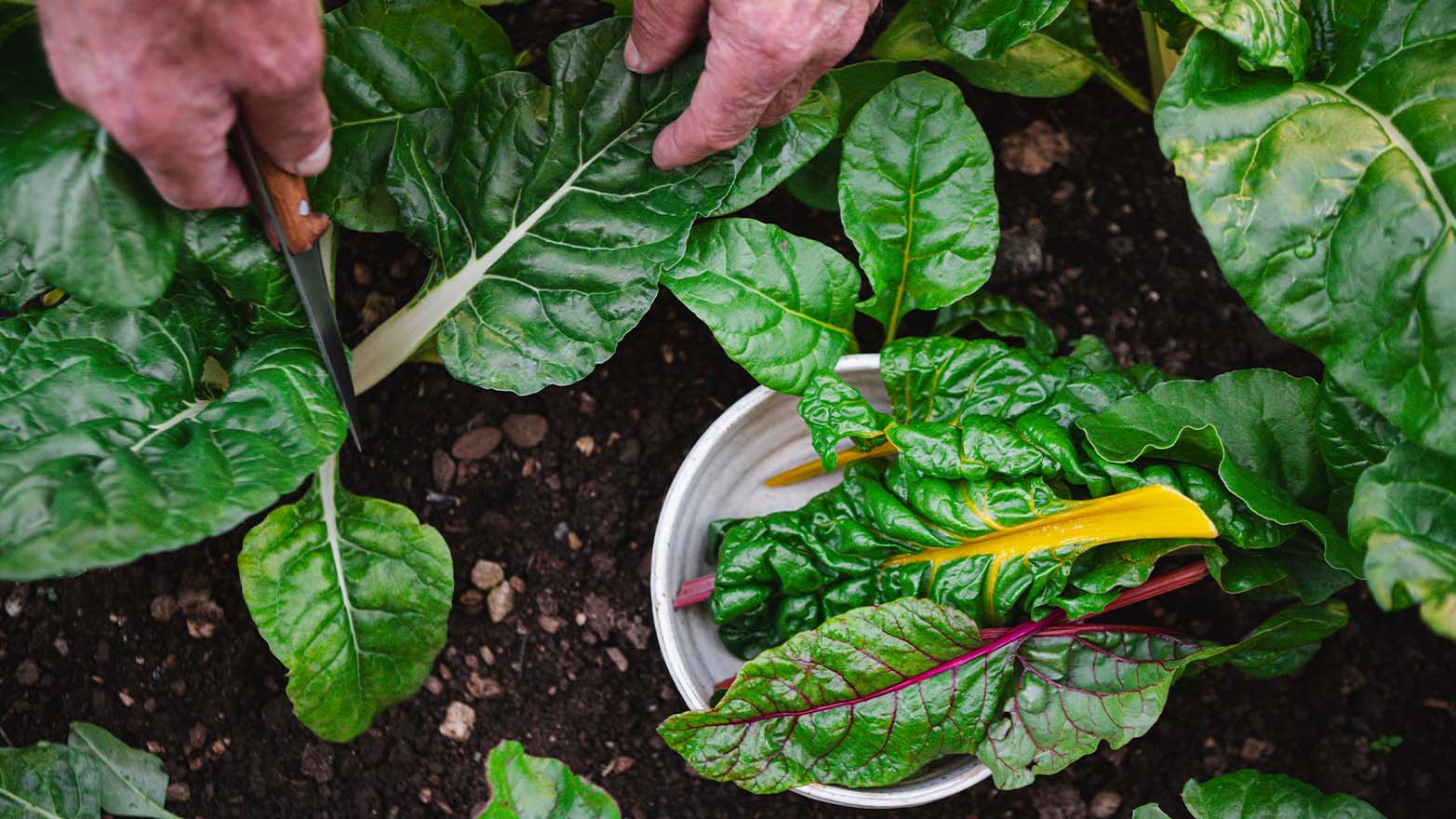
Swiss chard is a Sicilian vegetable, first introduced to the United States by colonists. Make a chard slaw in summer or enjoy chard with breadcrumbs and lemon. You can also try chard with turnips and pan-seared salmon.
Recipe suggestions (substitute Swiss chard):
18. Tomatillos
Best for: Blending into salsa verde, making green chile sauces or adding to pozole and braises
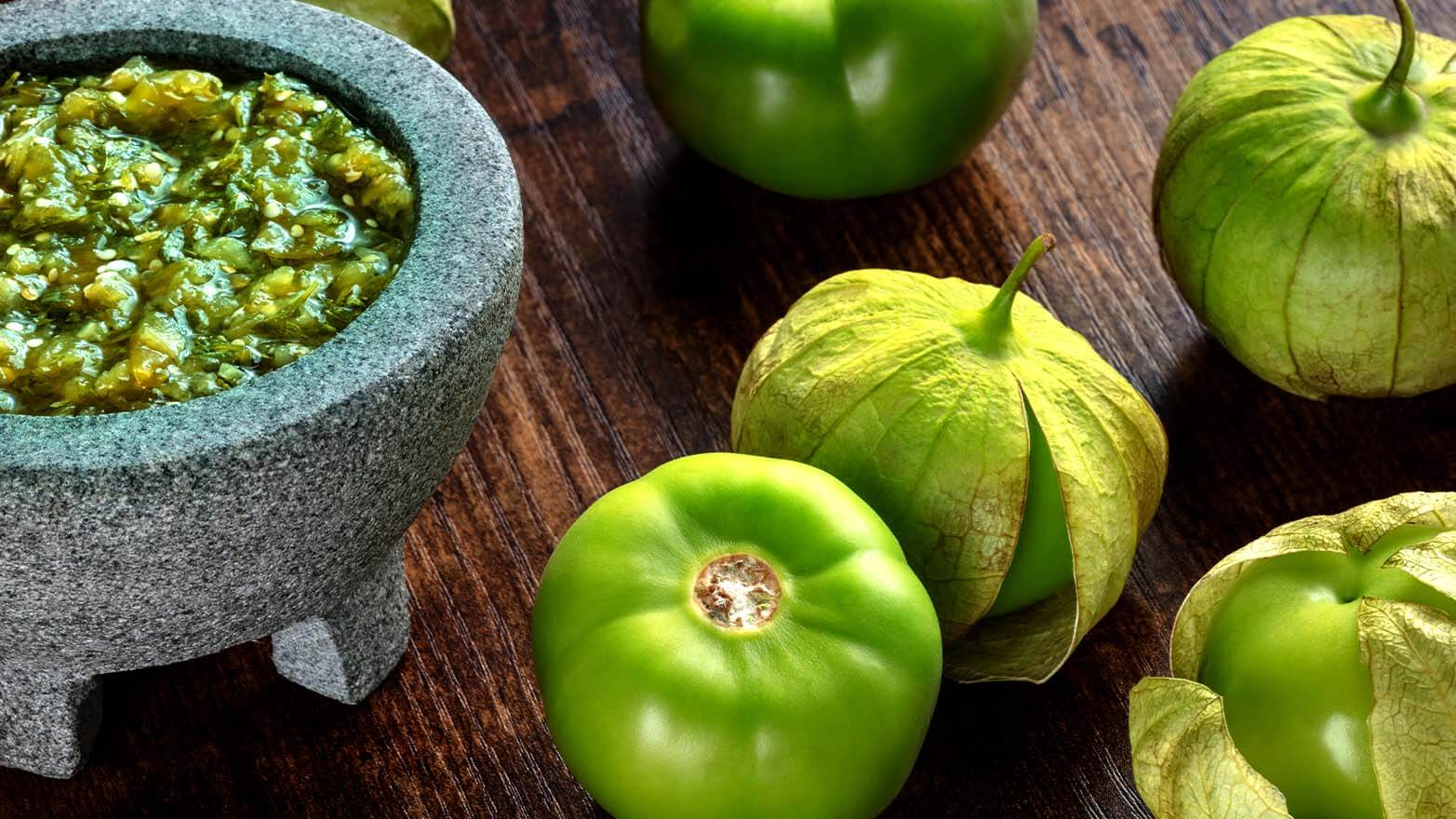
Native to Central America, tomatillos look like small, green tomatoes covered in thin husks, but they’re not actually related to red tomatoes. They taste tangy, with a hint of citrus and sweetness. Use tomatillos to make a refreshing salsa verde along with onion, garlic, pepper, lime juice and cilantro.
Recipe suggestions:
19. Shelling beans
Best for: Simmering into stews, making salads or using as a protein-rich side dish
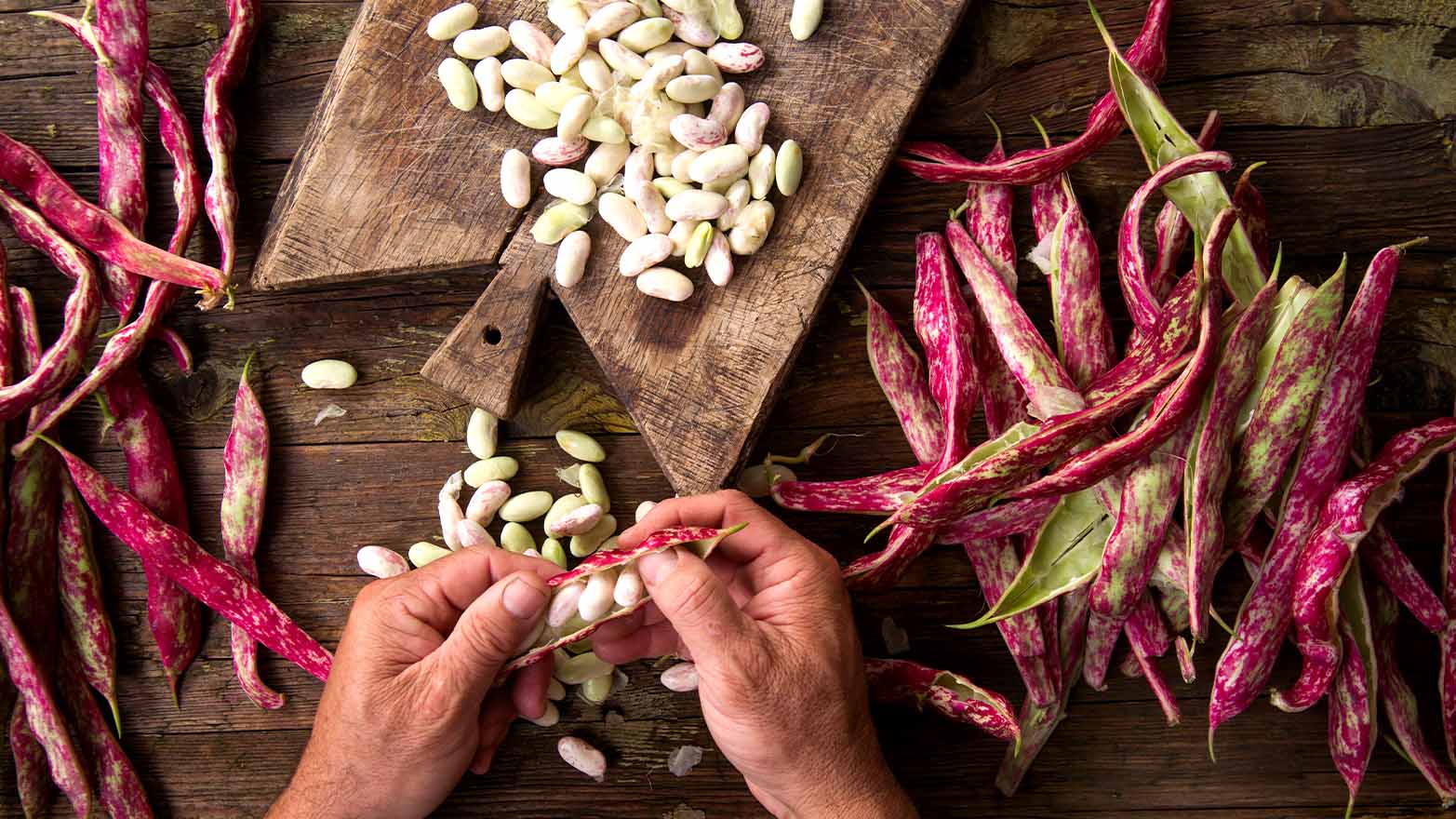
These bean types include butter and black beans. Make a summer butter bean salad or enjoy black bean salad with avocado and vinaigrette.
Recipe suggestions:
20. Yardlong beans
Best for: Stir-frying with garlic and soy sauce or using anywhere you'd use regular green beans
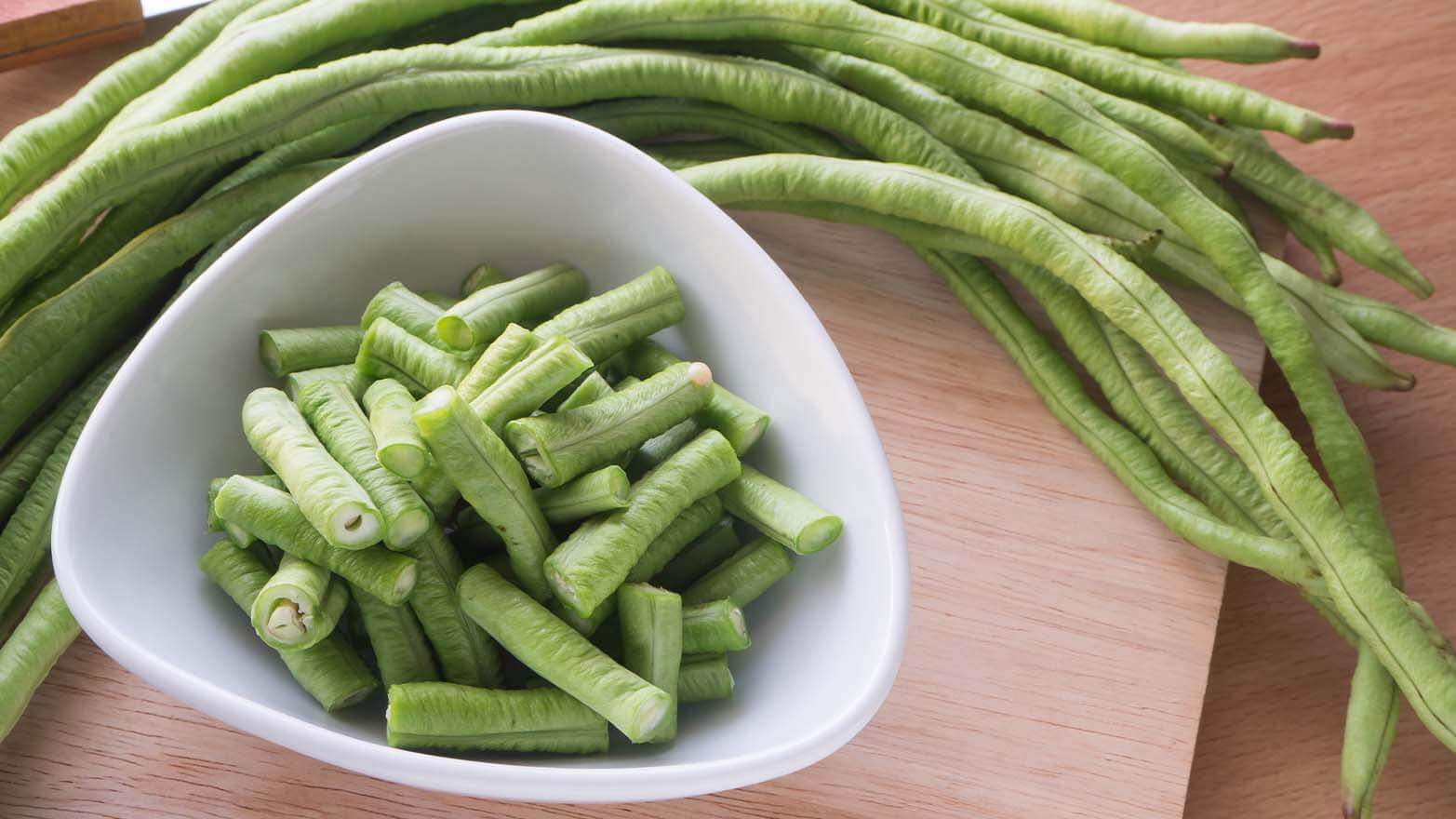
Also called asparagus beans, yardlong beans are long legumes commonly grown in southern China, Southeast Asia and South Asia. Similar to regular green beans and can be stir fried with rice and soy sauce.
Recipe suggestions (substitute yardlong beans):
Best summer vegetables to eat raw
Some summer vegetables are at their best straight from the market, no cooking required. Fresh, crunchy and full of flavor, these picks are ideal for salads, dipping and snacking at a kid's birthday party.
21. Cucumber
Best for: Slicing into salads, making cold soups or infusing into water and cocktails
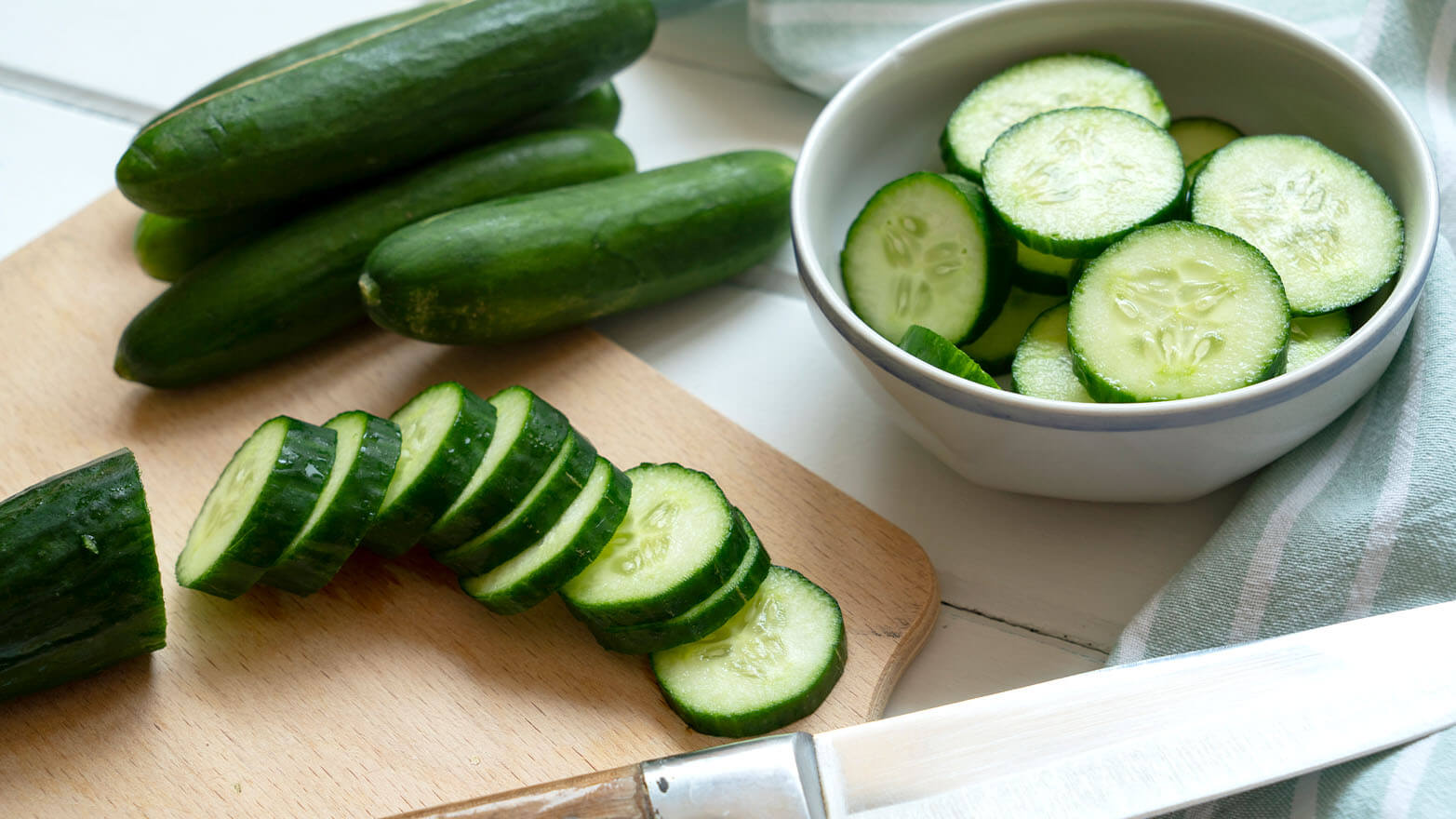
This vine plant from the Cucurbitaceae gourd clan originated in India. Make a summer cucumber salsa to munch with your tortillas or whip up a Greek salad complete with tomatoes, feta cheese, onions, cucumber and salad dressing. You could also make a cucumber-and-pineapple smoothie.
Recipe suggestions:
22. Tomatoes
Best for: Eating fresh, roasting, making sauces or building salads and caprese
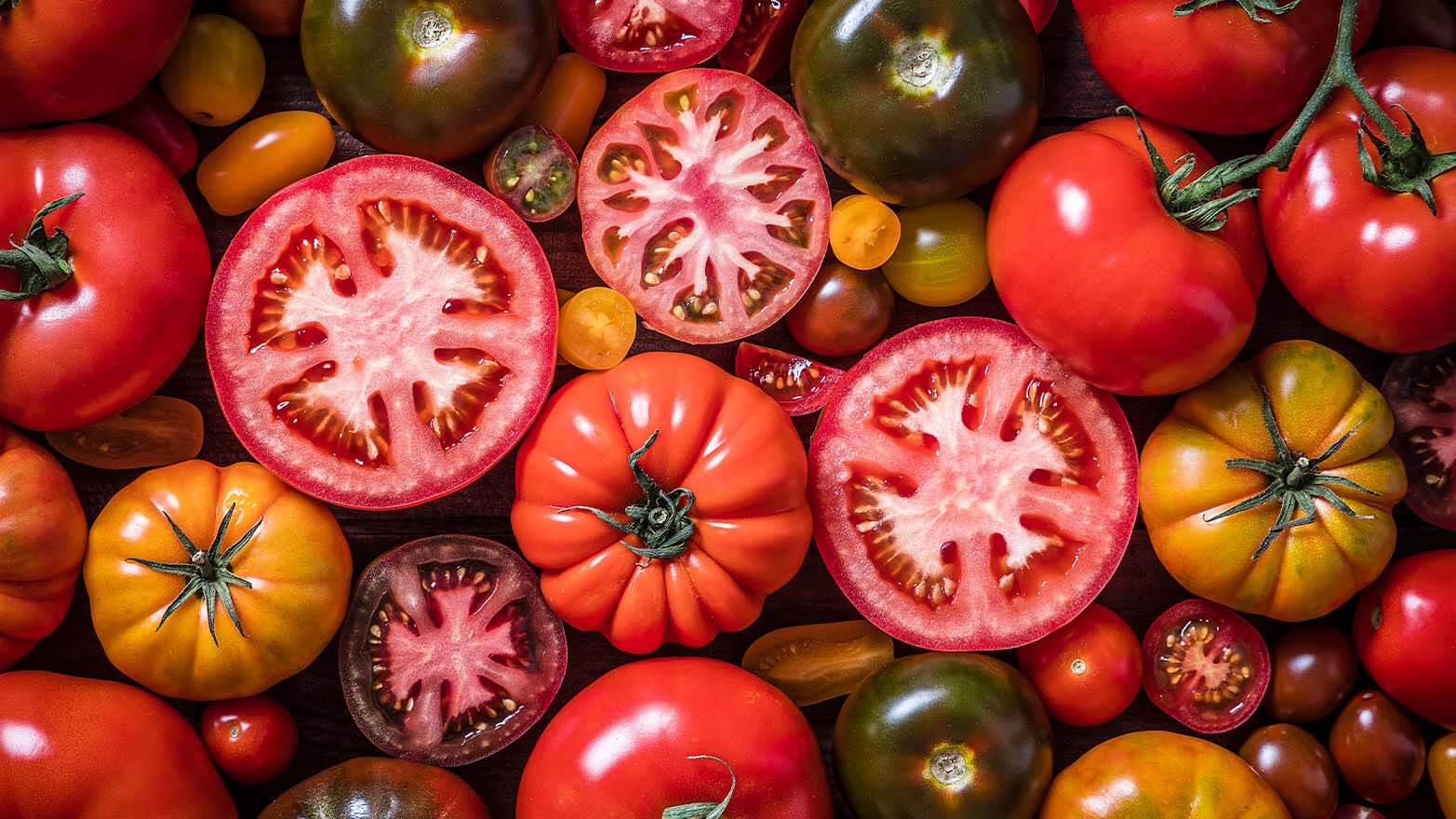
Tomatoes originated in South America and belong to the Solanaceae family. Prepare a beef, olive, burrata and tomato salad for dinner or roast your tomatoes and serve them with peppers and steak.
Recipe suggestions:
23. Radishes
Best for: Slicing raw into salads, pickling or roasting for a milder, sweeter flavor
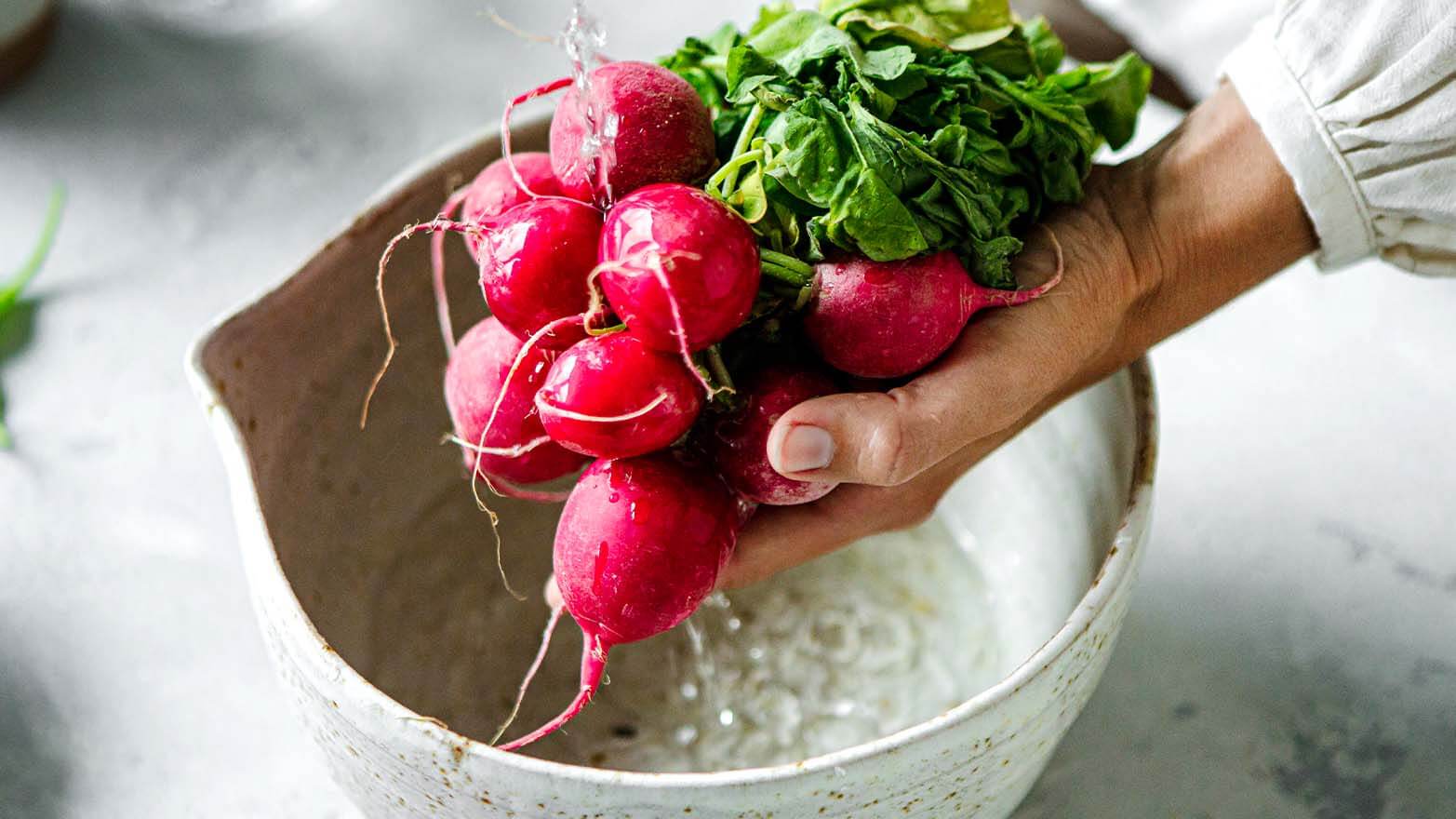
Radishes, part of the mustard family, were first domesticated in Asia. There are many different types, from daikon to watermelon radishes. Slice radish bulbs to give a summer salad some crunch.
Recipe suggestions:
24. Lettuce
Best for: Building salads, using as a wrap or layering into sandwiches
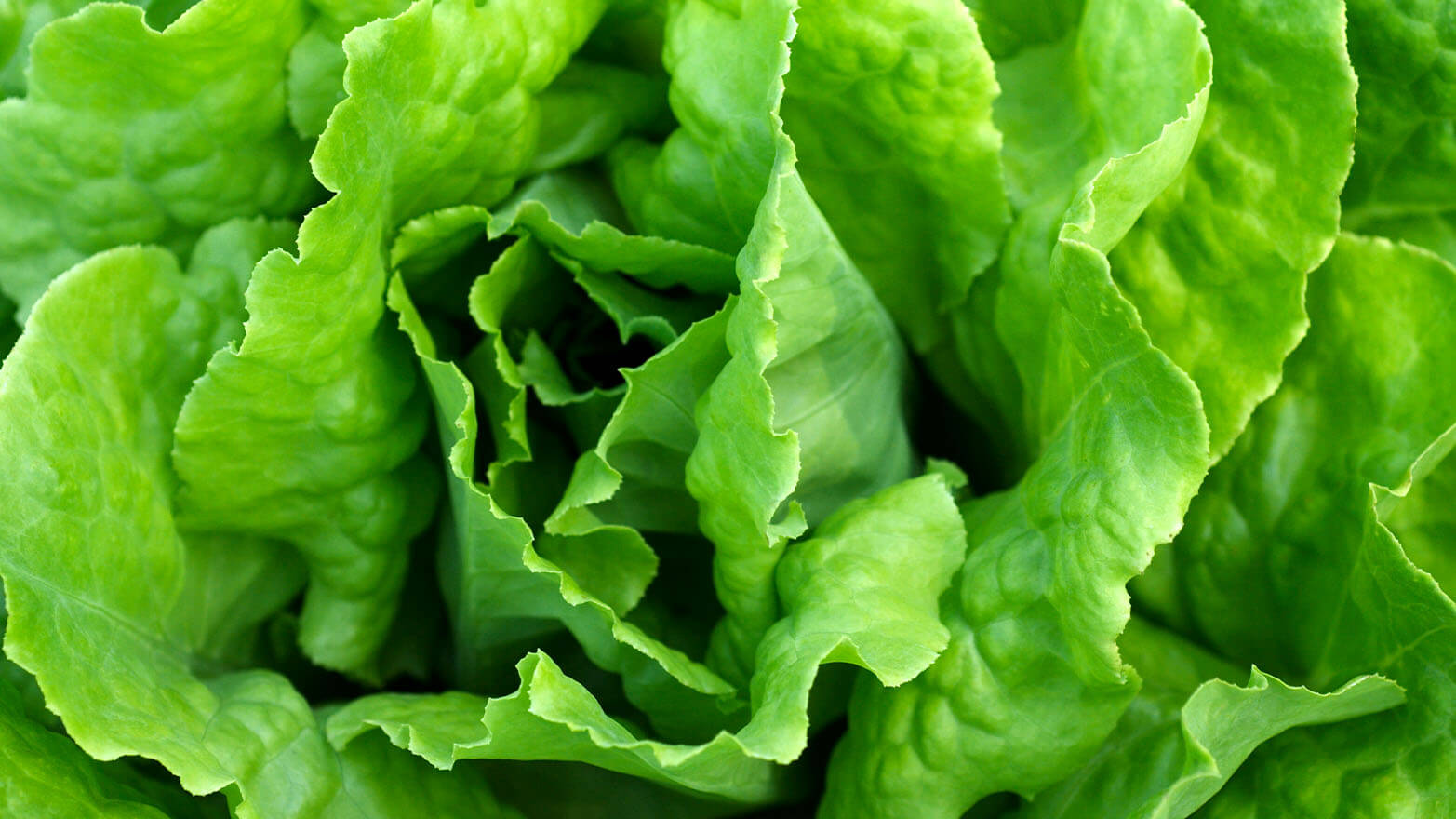
Lettuce is native to the Mediterranean. It works well in tossed salads paired with grilled chicken, steak, tomatoes and cucumber. You can also make a lovely prawn and mango salad and add a few slices of lettuce for extra crunch.
Recipe suggestions:
25. Kale
Best for: Working into salads, baking into chips, blending into smoothies or adding to soups
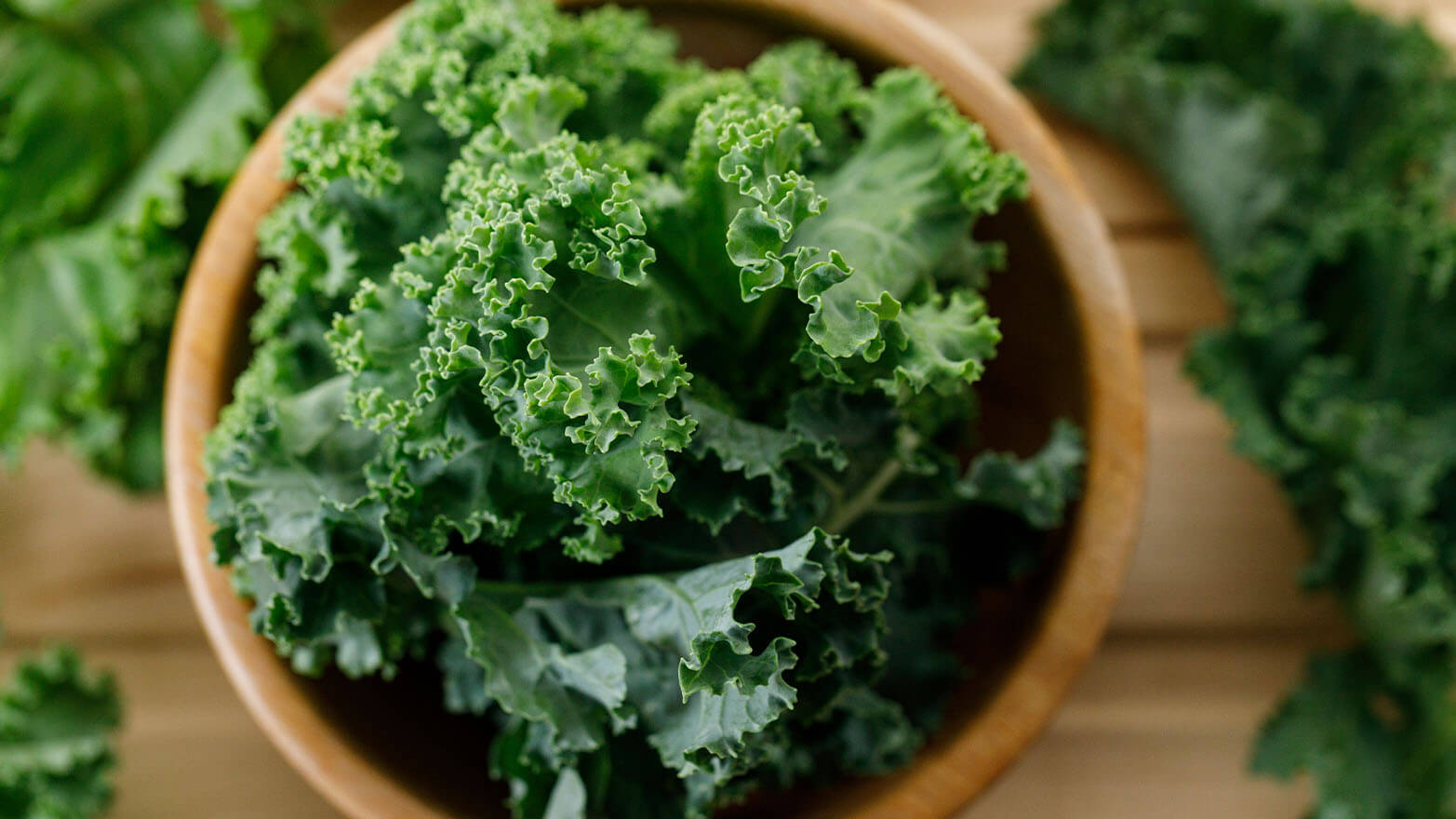
Kale is a leafy summer vegetable originating in the eastern Mediterranean and the Middle East. Use it for salads, blend it in a smoothie or bake kale leaves in the oven or air fryer with salt to make crispy chips.
Recipe suggestions:
26. Summer cabbage
Best for: Making coleslaw, braising with sausage or using as a wrap for fillings
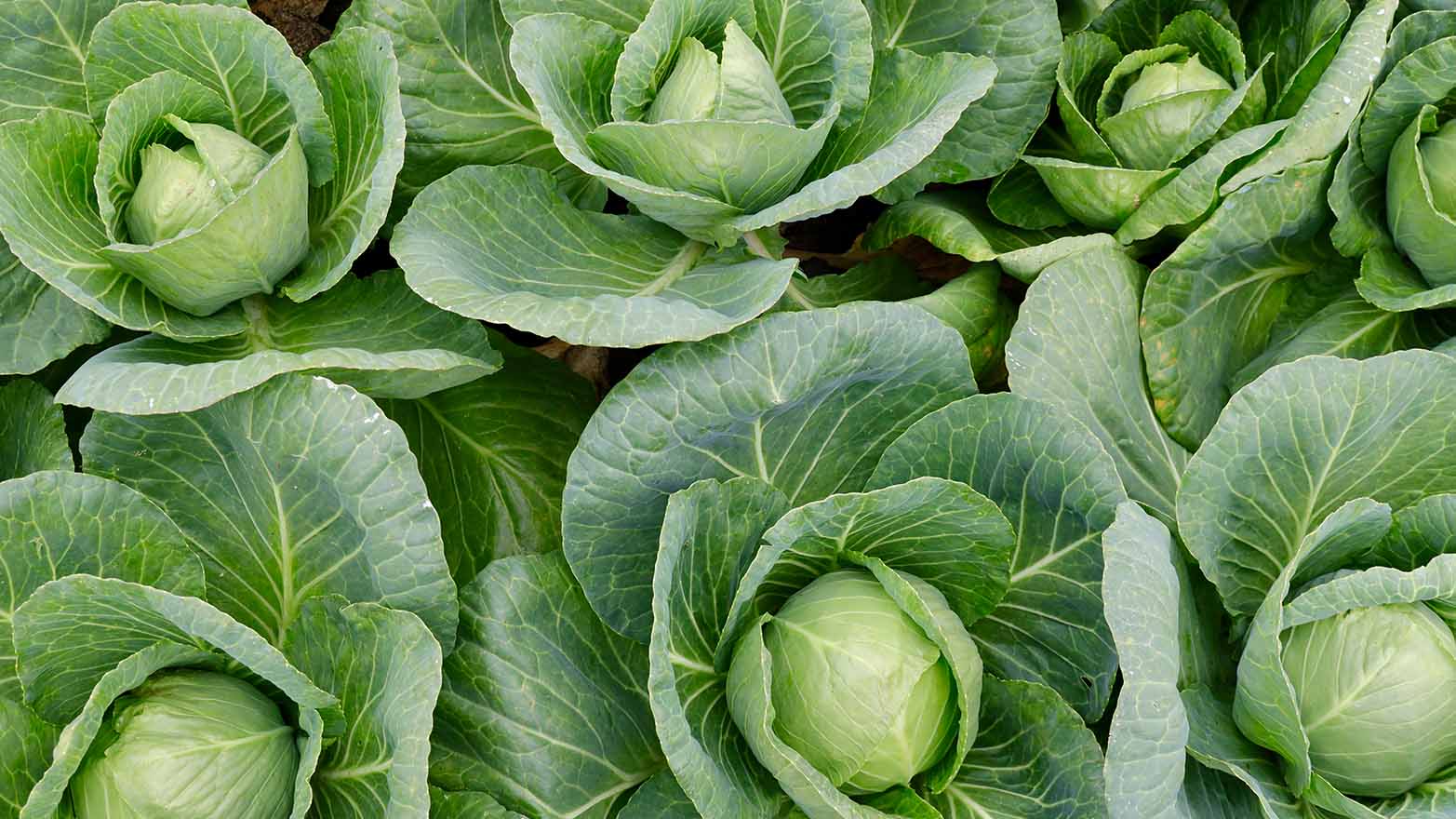
Cabbage, which can be green, red or white, is closely related to cauliflower and broccoli. When harvested in summer, cabbage is tender and soft. Cabbages make for refreshing, crunchy salads — try a coleslaw to accompany a barbecue or picnic.
Recipe suggestions:
Best summer vegetables for sautéing and stir-frying
Sautéing and stir-frying keep summer vegetables tender-crisp and bright. Both methods are faster than roasting and ideal for quick weeknight meals.
27. Basil
Best for: Making pesto, topping pizzas and pastas or finishing salads and caprese
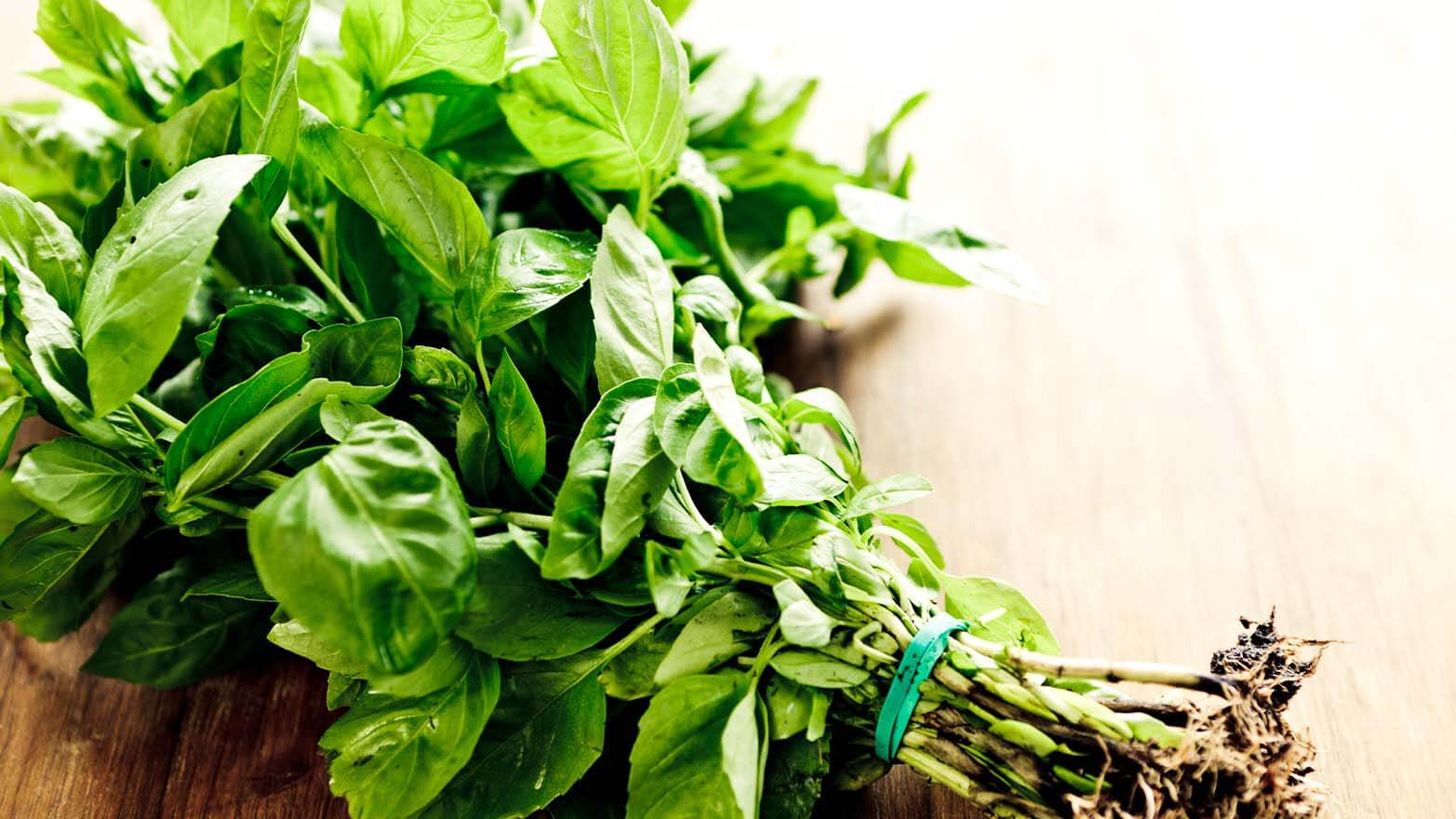
Originating in Africa and Asia, basil is an aromatic leafy green herb in the mint family. Season your food with this versatile herb by whipping up a basil vinaigrette for salads or topping pizzas with basil leaves. Or blend basil with pine nuts, garlic, oil and Parmesan to make a delicious pesto
sauce.
Recipe suggestions:
28. Chili peppers
Best for: Adding heat to sauces and salsas, stuffing and baking or drying for seasoning
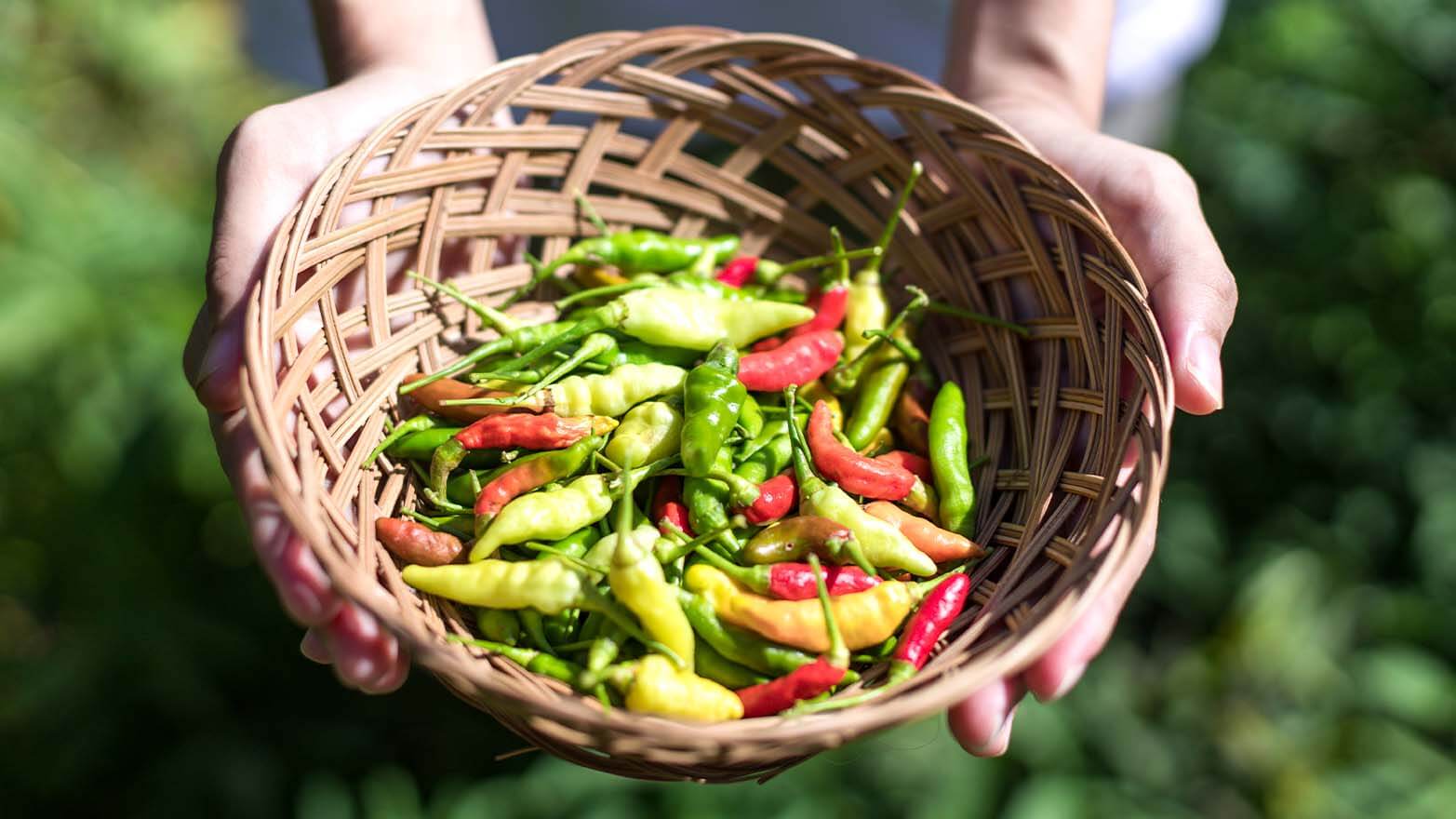
Chili peppers, like jalapeño, cayenne, habanero and serrano, are members of the nightshade family. Capsaicin gives chili peppers their signature hot flavor. Use dried chili peppers to season your summer dinners or spoon cheese into jalapeño halves and bake to create a delightfully spicy appetizer.
Recipe suggestions:
29. Malabar spinach
Best for: Sautéing as a spinach substitute, blending into smoothies or stirring into pasta dishes
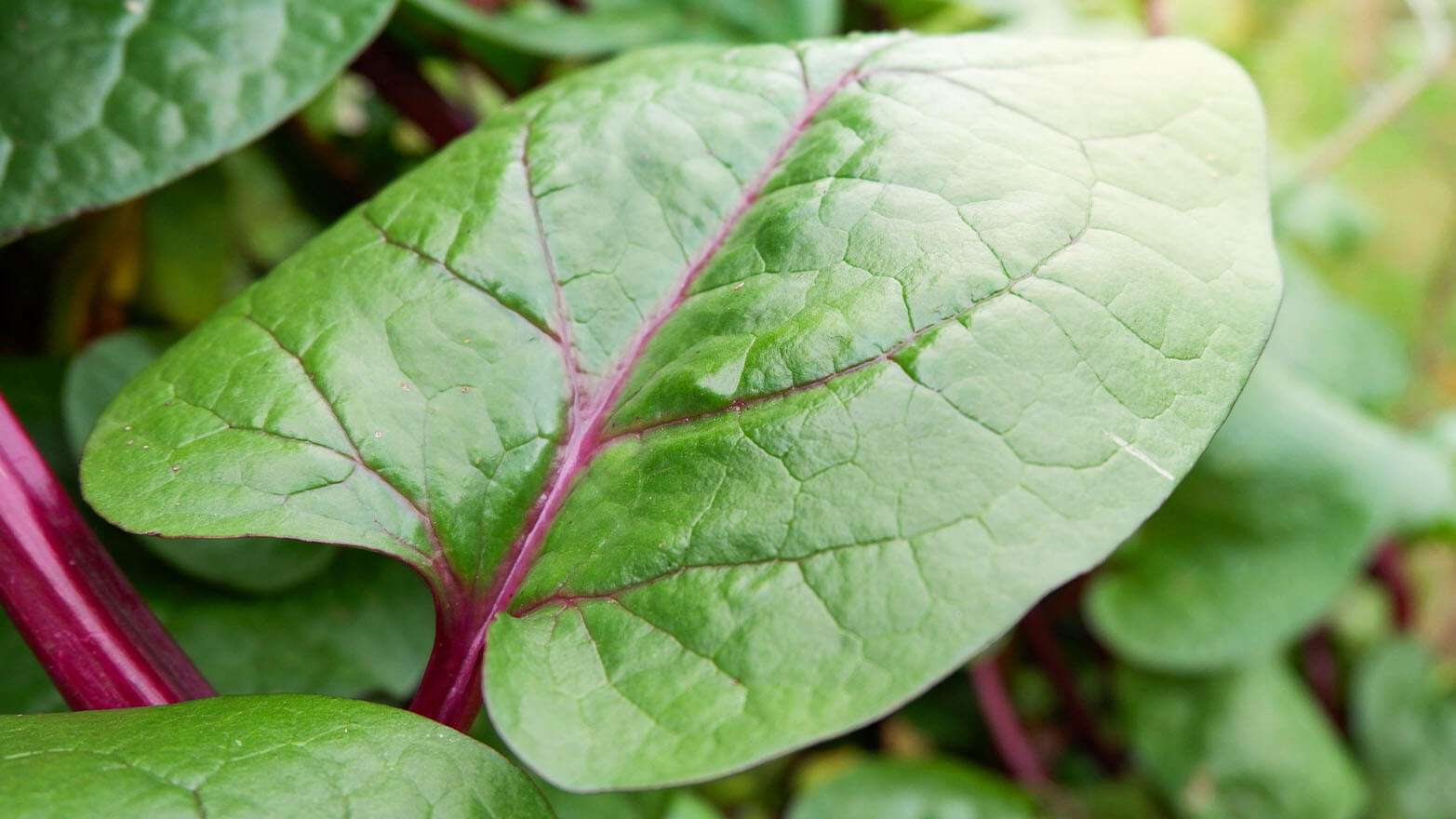
This spinach type is native to India and Asia. Use it to make spinach and bacon pizza, burritos or a tomato and spinach pasta dish.
Recipe suggestions (substitute malabar spinach):
30. Amaranth
Best for: Using as a salad green, adding to grain bowls or substituting for spinach in cooked dishes
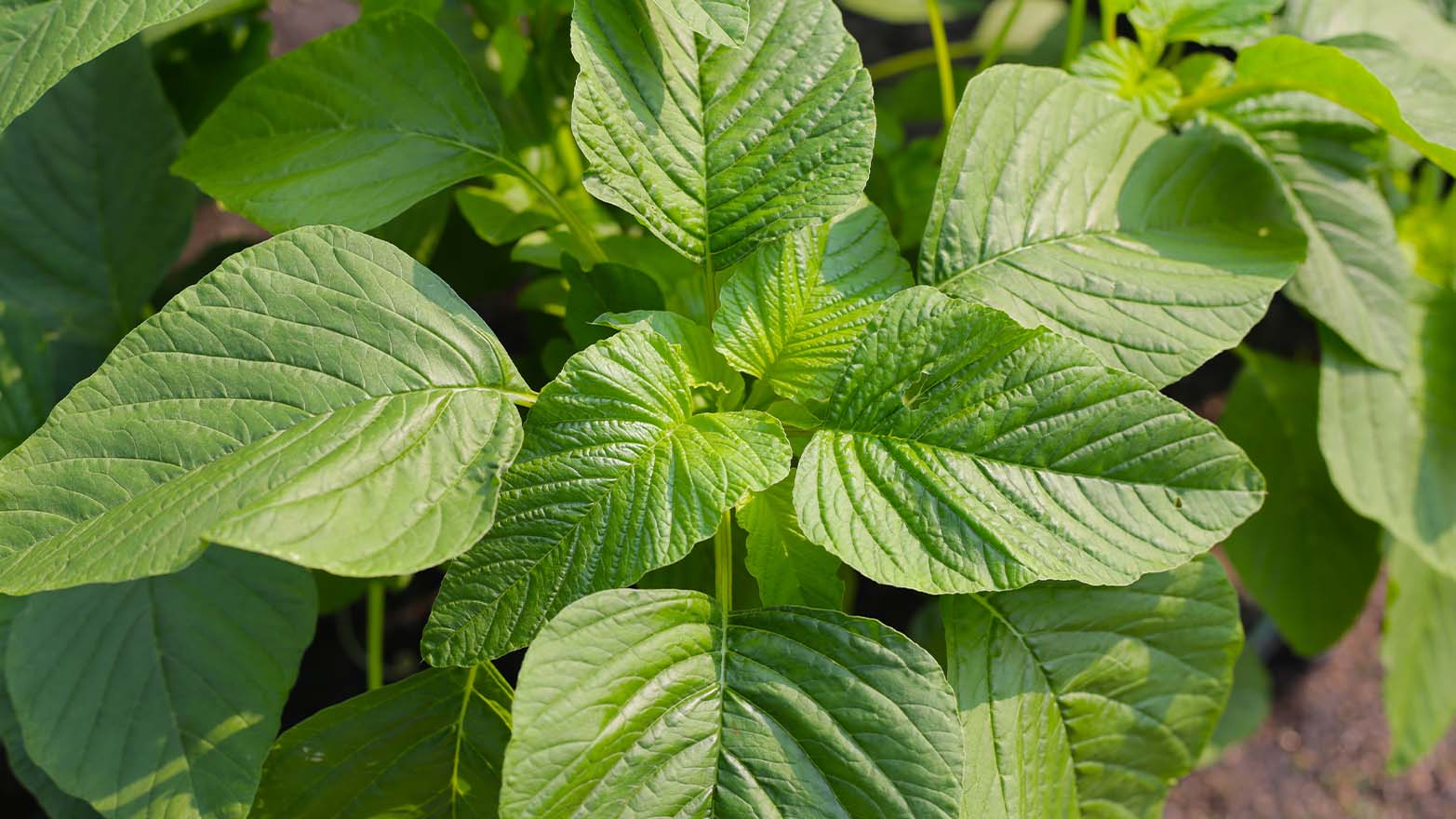
This summer vegetable originated in South America and Central America approximately 8,000 years ago. Make a chickpea salad with onion, amaranth and cucumber. You can also enjoy it with
mushrooms and garlic.
Recipe suggestions (substitute amaranth):
31. Gem squash
Best for: Roasting halved and stuffed or substituting in summer squash casseroles
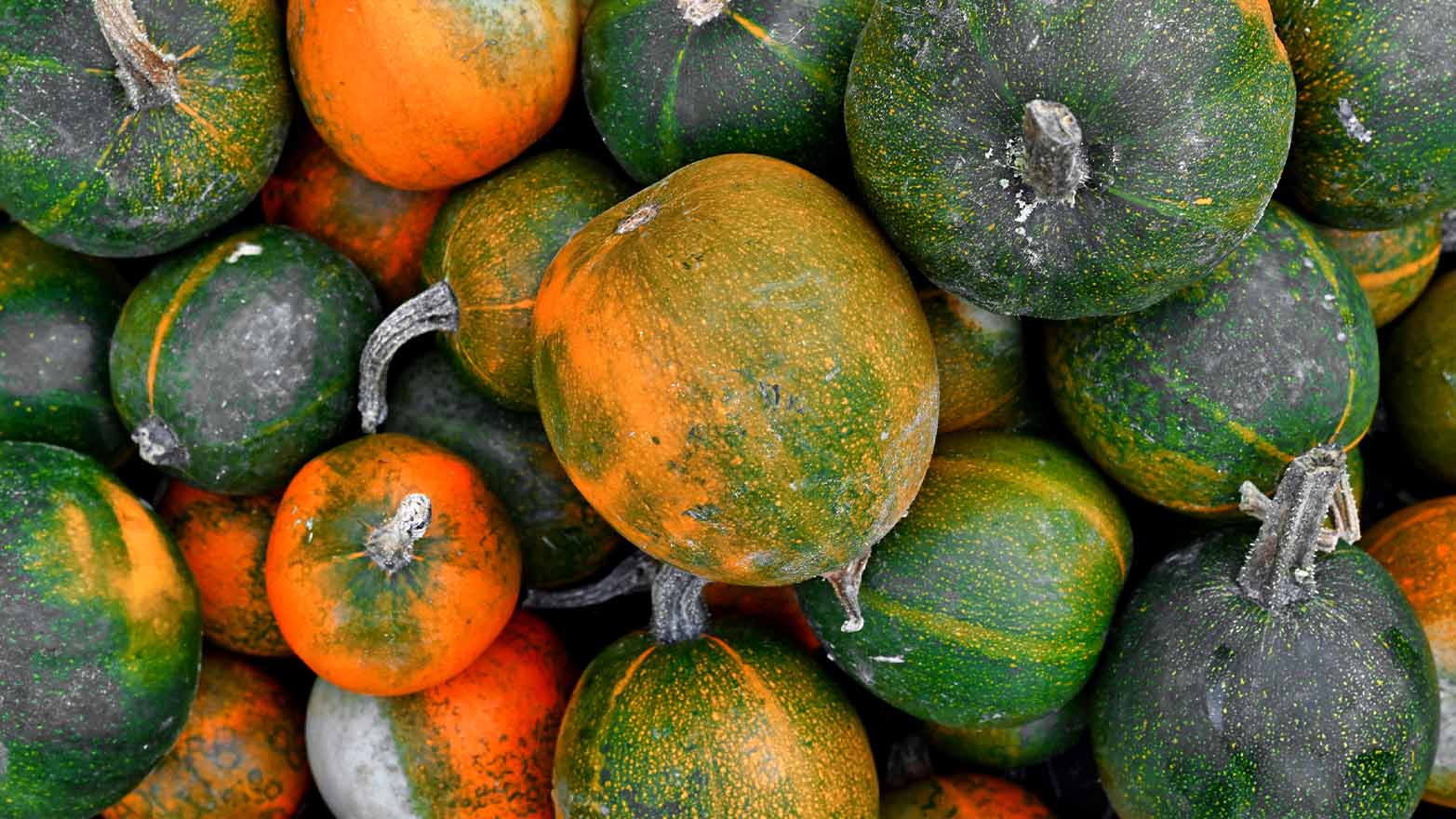
Gem squash originated in Central America and is scientifically known as Cucurbita pepo. Relish sun-dried tomato salad with gem squash, walnuts and feta cheese or try gem squash halves filled with bacon bits or ham and cheese.
Recipe suggestions (substitute gem squash):
32. Sorrel
Best for: Blending into soups, stirring into sauces or using fresh in salads
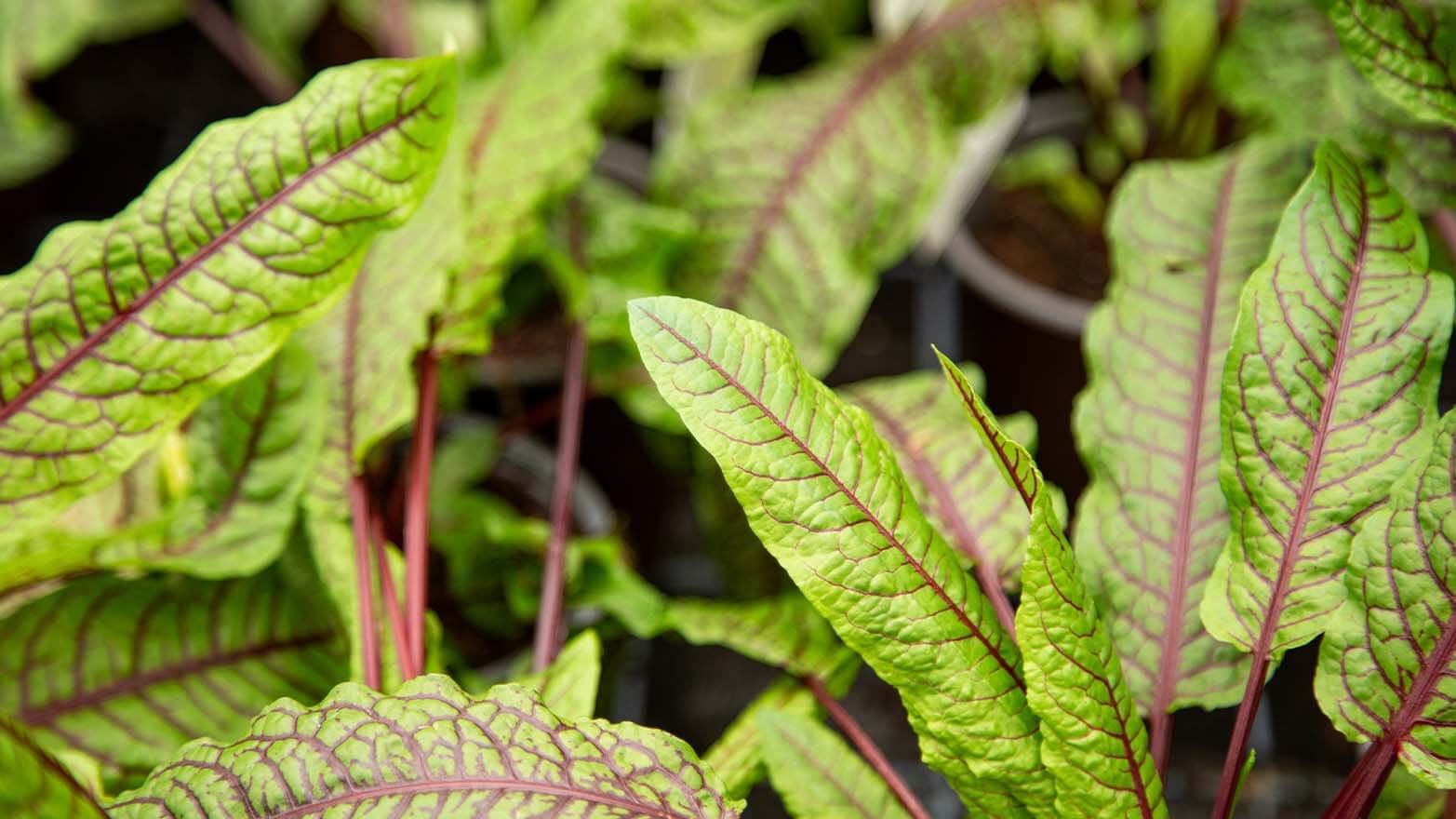
Sorrel is native to West Africa and is largely produced in the Caribbean. It’s a member of the Hibiscus family and from the Hibiscus sabdariffa scientific class. Make a delicious pot of sorrel soup with chicken and potatoes to serve as a light meal in the summer. You can also whip up tasty pesto and add sorrel.
Recipe suggestions:
Order fresh summer veggies through Instacart
There are lots of ways to enjoy your summer veggies, from grilling them at a backyard BBQ to tossing them raw into a salad or simmering them in a stew. However you work through this list of summer vegetables, fresh produce is the starting point.
No garden? No problem. Order through Instacart today to find summer vegetables near you.
Summer vegetables FAQ
Now that you’ve gone through our summer vegetables list, here are a few answers to common questions about growing and preparing summer veggies.
What vegetables are in season during summer?
Summer garden vegetables include corn, tomatoes, zucchini, cucumbers, bell peppers, eggplant, okra, green beans, beets, kale, radishes and fennel, among others. The weather conditions where you live will affect which vegetables are in season.
How do I pick ripe summer vegetables?
Look for vibrant color, firm texture and a fresh smell. Most summer vegetables should feel heavy for their size and free of soft spots or blemishes. For corn, peek inside the husk; the kernels should be plump and tightly packed.
How do I store summer vegetables?
Most summer vegetables do best in the refrigerator, but a few, like tomatoes and eggplant, keep better at room temperature to preserve flavor and texture. Store delicate items like basil at room temperature in a glass of water and wait to wash produce until right before you use it to prevent early spoilage.
What are the best summer vegetables for beginners to cook?
Zucchini, bell peppers and corn are great starting points, since they require minimal prep, and cook quickly. Toss them on the grill, roast them in the oven or slice them raw into a salad for an easy, no-fuss approach to cooking with seasonal produce.
What summer vegetables are good for meal prep?
Roasted vegetables like sweet potatoes, beets and bell peppers hold up well in the fridge for several days and can be added to grain bowls, salads and wraps throughout the week. Green beans, corn and some other summer vegetables in season also store well after cooking and reheat easily for quick weeknight meals.
How do I know when summer vegetables have gone bad?
Most summer vegetables will show soft spots, discoloration or a sour smell when they're past their prime. When in doubt, squeeze them since fresh vegetables should feel firm, not mushy.